HCA Healthcare’s AI Strategy Targets Clinical Documentation and Perinatal Monitoring
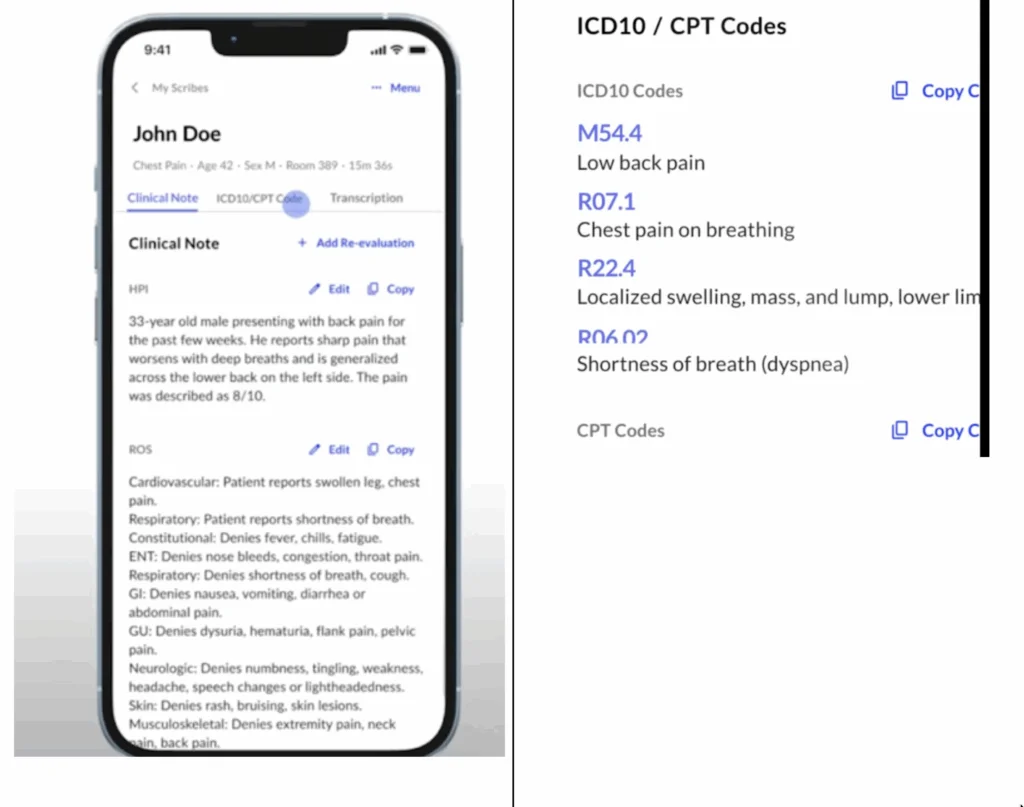
HCA’s AI work focuses on drafting clinical notes and bringing maternal data together. Publicly reported results for both efforts remain limited.
Latest stories
HCA’s AI work focuses on drafting clinical notes and bringing maternal data together. Publicly reported results for both efforts remain limited.
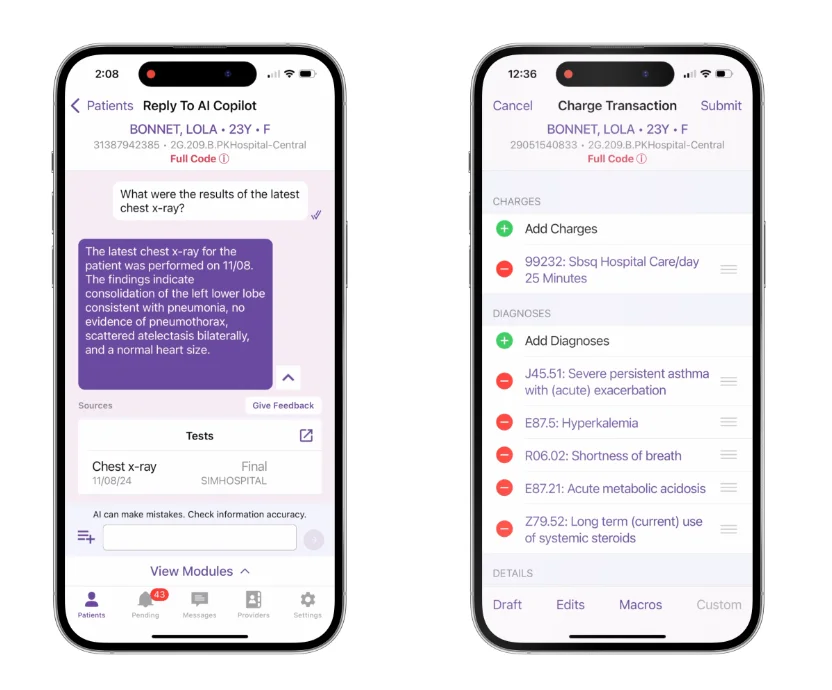
Tenet is deploying ambient documentation tools and building AI into revenue workflows, but company-specific performance results remain undisclosed.
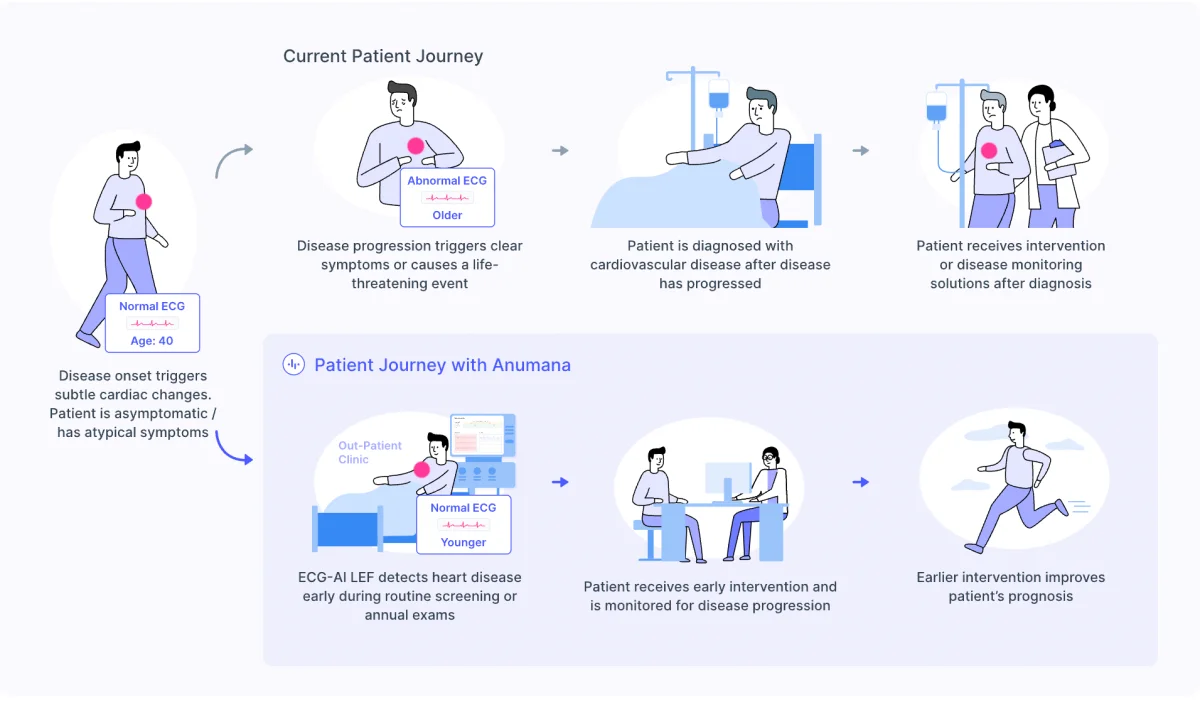
Mayo’s ECG models detect heart disease using routine tests, while Record Time organizes outside records to reduce physician preparation time.
Cleveland Clinic reports faster documentation and fewer sepsis alerts, while key outcomes remain self-reported and local deployment details are limited.
AI agent security depends on enforceable permissions, isolated execution, repeatable testing and evidence that controls work across the full stack.
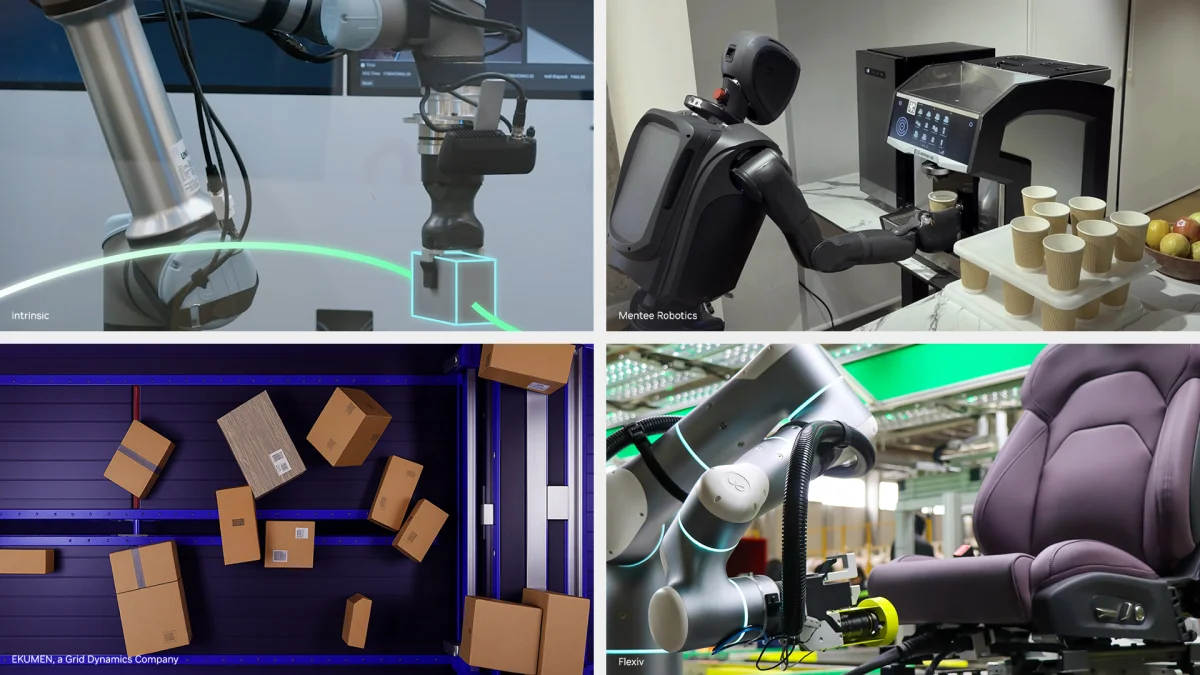
Isaac ROS 5.0 adds reusable agent skills, ROS Lyrical support and GPU accelerated tools, with deployment options spanning Jetson Orin Nano to Jetson Thor.
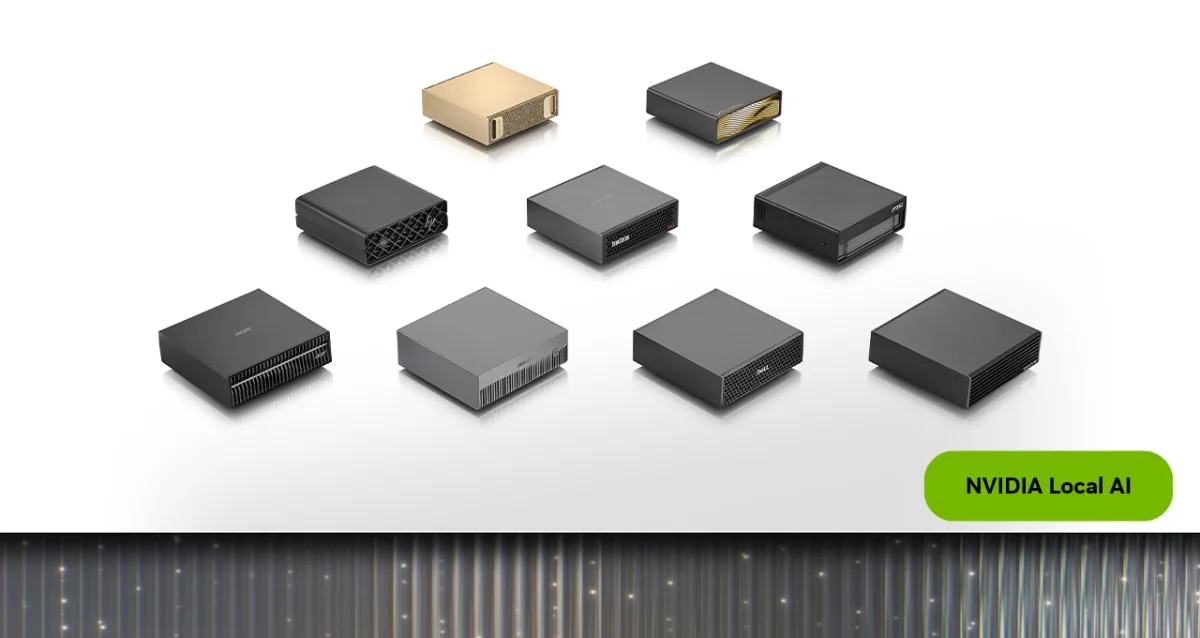
The $4,999 DGX Spark 64GB runs models locally and can pair with a second unit for 128GB pooled memory and up to 1.7x performance in NVIDIA’s test.
Open models give telecom operators more control over cost, customization and deployment, while production workflows still require data safeguards and governance...
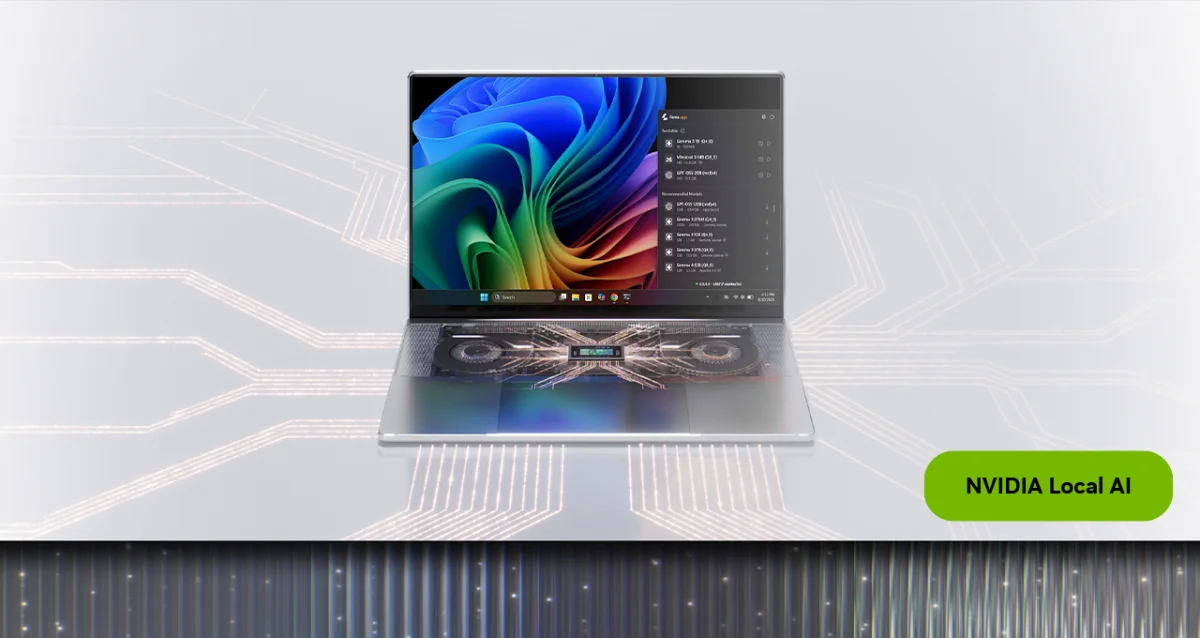
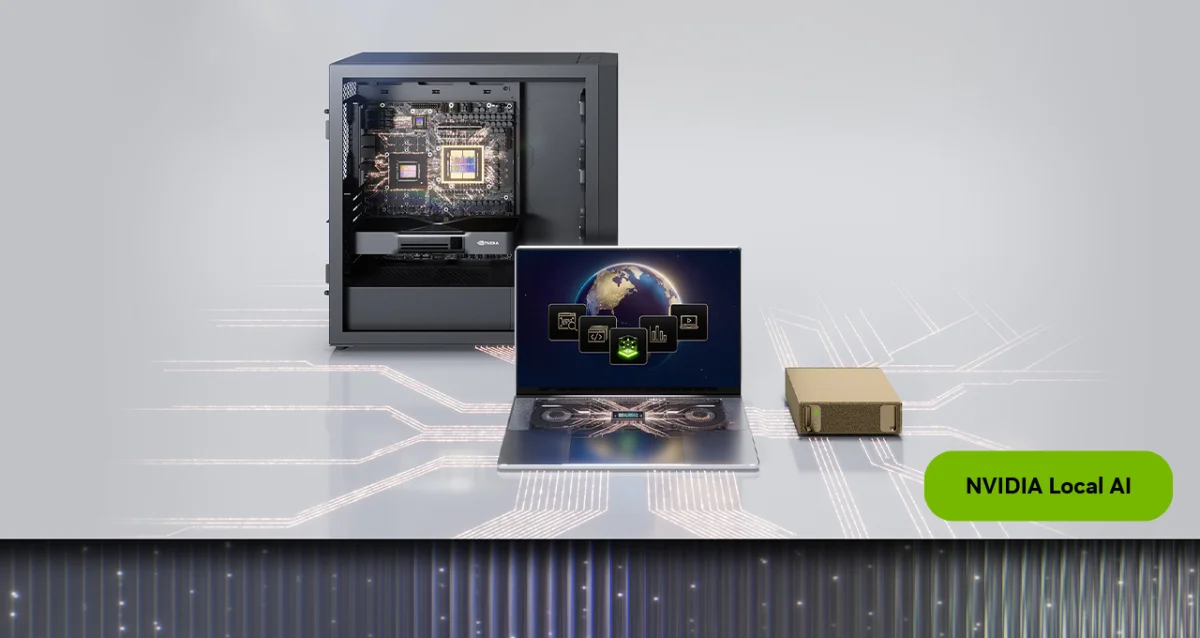
RTX Spark targets local AI across laptops and compact desktops, while DGX Station for Windows brings up to 20 petaflops of FP4 compute to the desktop.
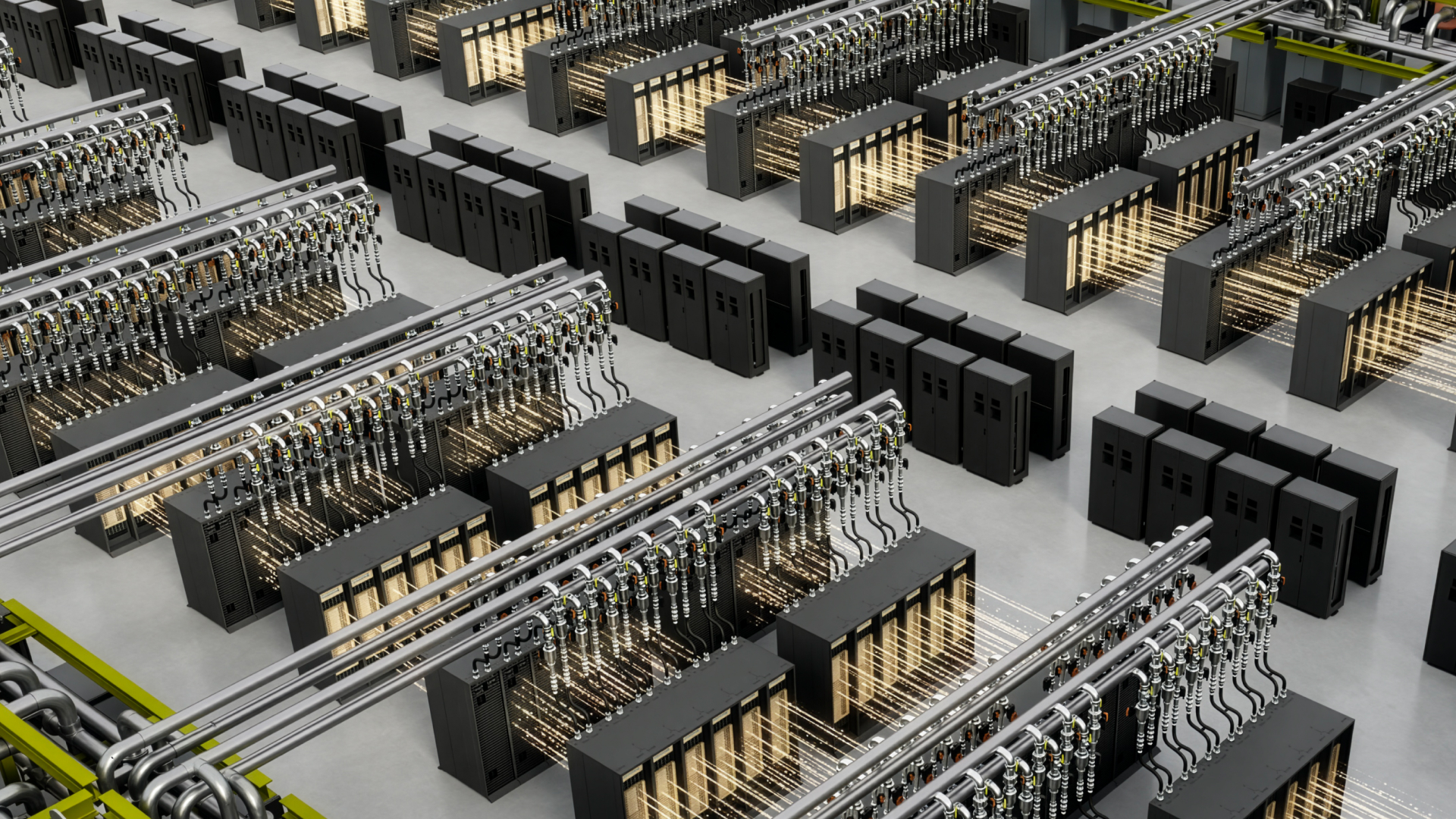
NVIDIA’s OCP contributions span rack designs, open operations software, power specifications and networking for large AI systems.
NVIDIA plans investments in four French startups as companies apply its models and computing systems across healthcare, research, robotics and business operatio...
RTX Spark launches with local agent tools, developer frameworks, creative app updates and DLSS 5, alongside a 74B model designed for on-device agents.
NVIDIA plans investments in five UK startups as companies apply accelerated computing and AI across science, healthcare, finance and quantum systems.
Nordic computing capacity is scaling across AI, robotics, speech and quantum work, with startups and established firms building applications on NVIDIA systems.
NVIDIA’s commitments to Europe’s AI science effort span open resources, free courseware, startup compute access and a planned 35-supercomputer buildout.
The EBU is expanding its framework for broadcaster controlled AI, while Adobe reports faster video search for production teams using NVIDIA GPUs.
BSC’s accelerator gives startups compute and technical support, with projects spanning water networks, heart rhythm analysis, medicine information and more.
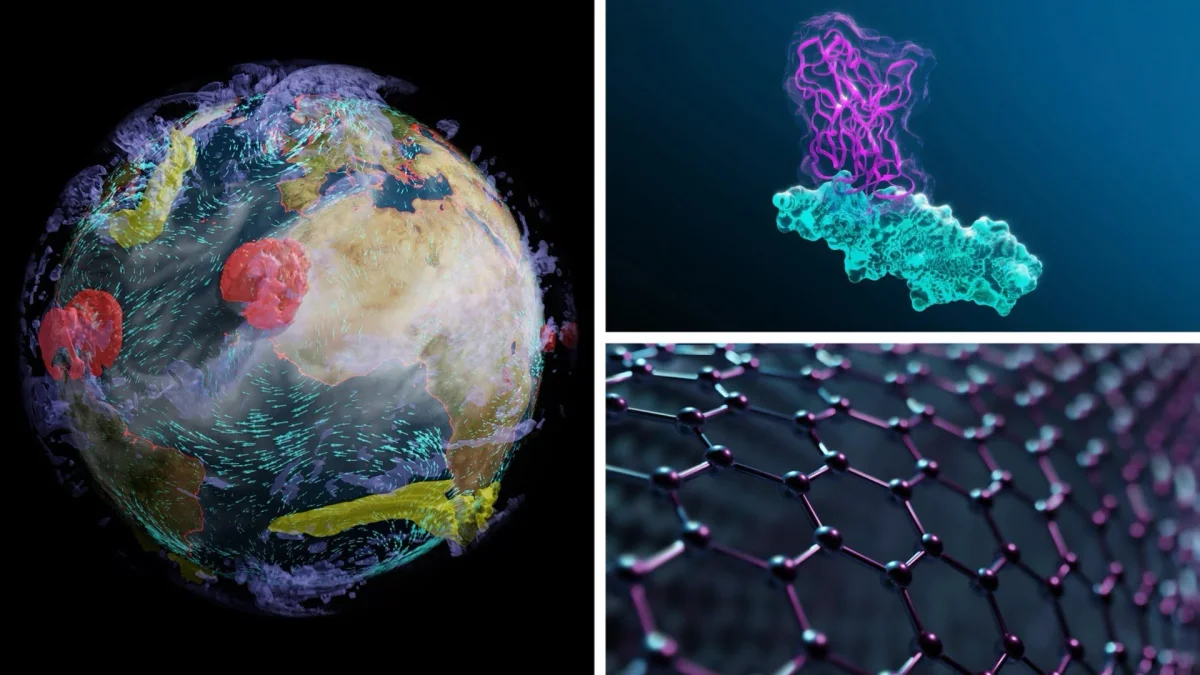
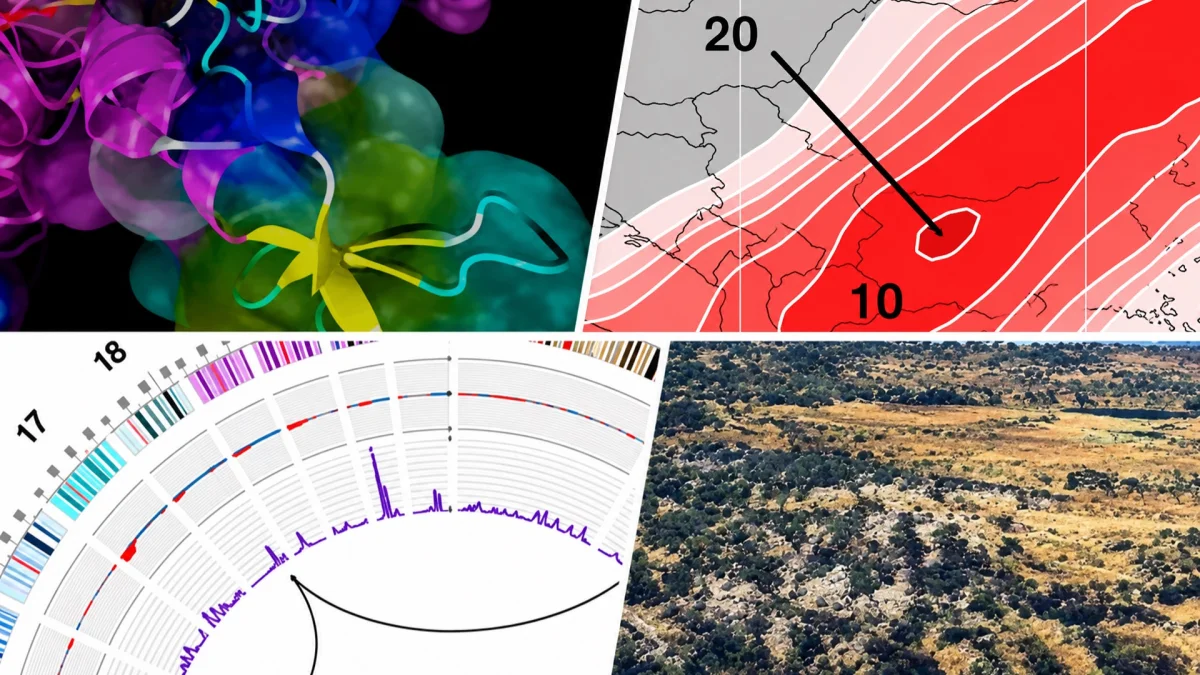
NVIDIA adds models for enterprise data, robotics, protein design and quantum systems, with tools and deployment options spanning research and production.
NVIDIA adds local agents, model support and inference upgrades across its desktop AI systems, with new options for developers and enterprise teams.
Projects in six countries pair open models with locally controlled infrastructure, synthetic user data and public service tools.