Smart Bird Feeder Deals: Birdfy and Kiwibit Models Compared
Three smart feeders are discounted, with tradeoffs in camera quality, solar charging, app features, Wi-Fi support and warranty.
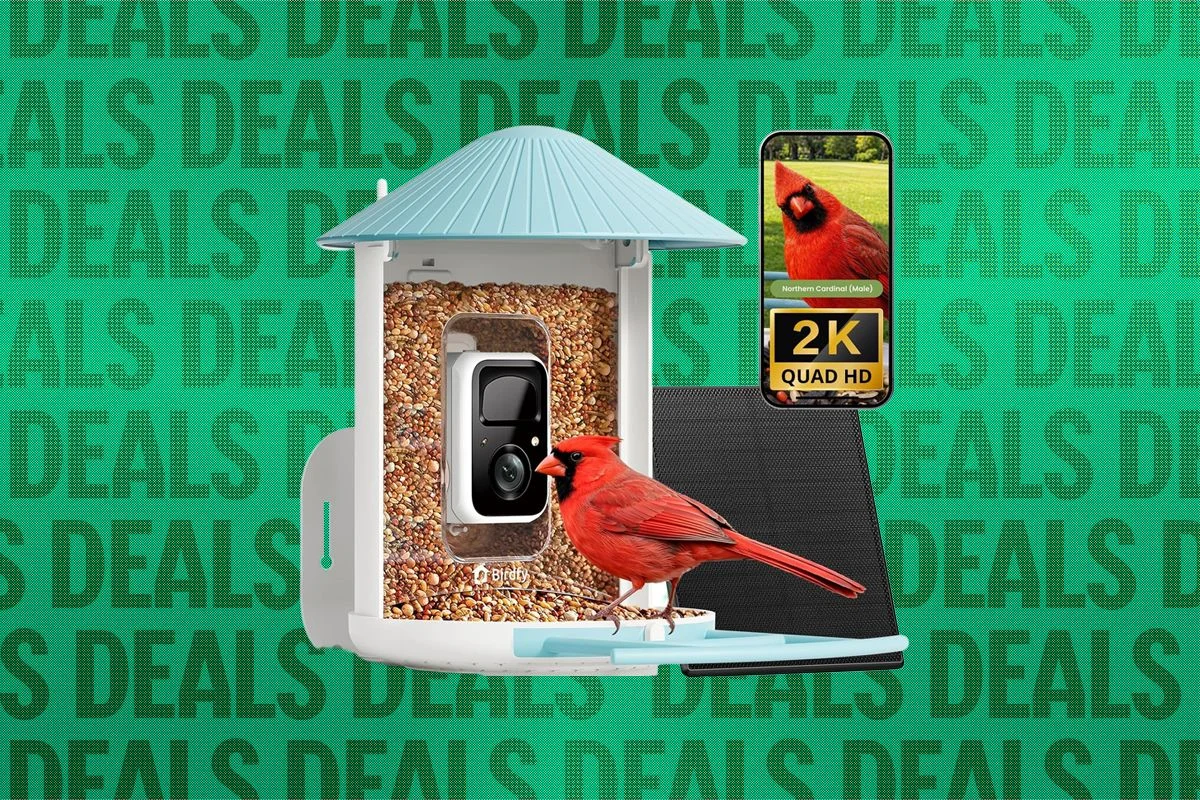
Smart bird feeders have become easier to recommend as practical cameras: the models here combine remote wildlife viewing with high-resolution photos or video, species identification and solar charging. The early-season discounts put two Kiwibit options and Birdfy’s Feeder Lite within reach, but the best choice depends on whether you value a simple app, a built-in solar roof or a lower price.
These prices and discounts are listed as of the source article’s publication, and retailers can change them. The Birdfy Feeder Lite With Solar is listed at $127, down from $180. Kiwibit’s Feeder 2 is $170, down from $240, while the Kiwibit 4K Smart Bird Feeder with an auxiliary solar panel is $140, down from $190.
Birdfy Feeder Lite With Solar: the straightforward pick
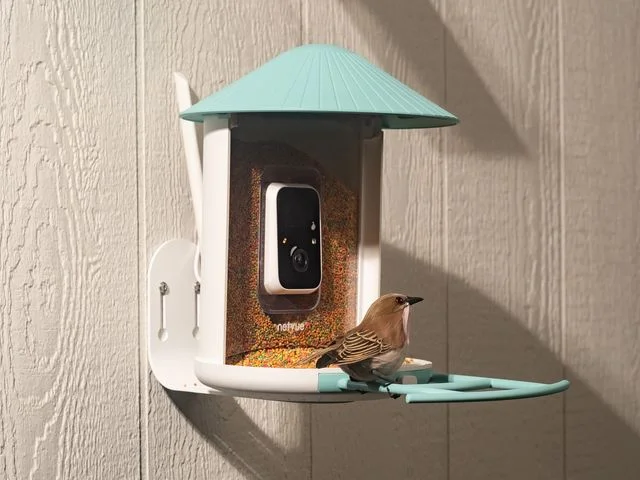
At $127, Birdfy’s Feeder Lite With Solar is the most affordable of these three solar-equipped options. The discount applies to the blue version; the yellow version costs $13 more. There’s also a version without solar listed at $110, so the panel adds $17. The author reports that Birdfy’s solar panels have been reliable and considers that difference worthwhile to avoid taking the feeder in for charging.
The appeal here is less about leading specifications and more about day-to-day use. The source describes the feeder as dependable across seasons, with an easy-to-use app and no major features locked behind a subscription. That combination matters: camera quality and species identification can attract buyers, but a feeder is a yard device that has to remain usable between the moments when a bird arrives.
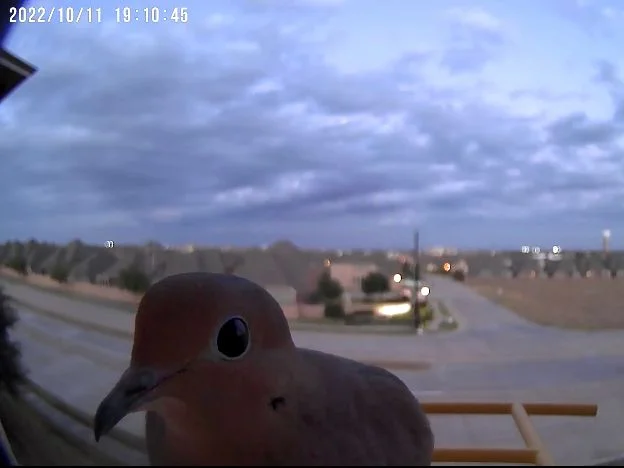
The tradeoffs are clear. The source says sturdier feeders are available, and some alternatives offer better camera quality, but those options cost more or come with less polished apps and paid features. Birdfy’s feeder supports only 2.4-GHz Wi-Fi, so check that your home network can connect to it before buying. For someone who wants a solar-assisted feeder and a relatively uncomplicated app, that limitation may be acceptable.
Kiwibit Feeder 2: the most considered hardware
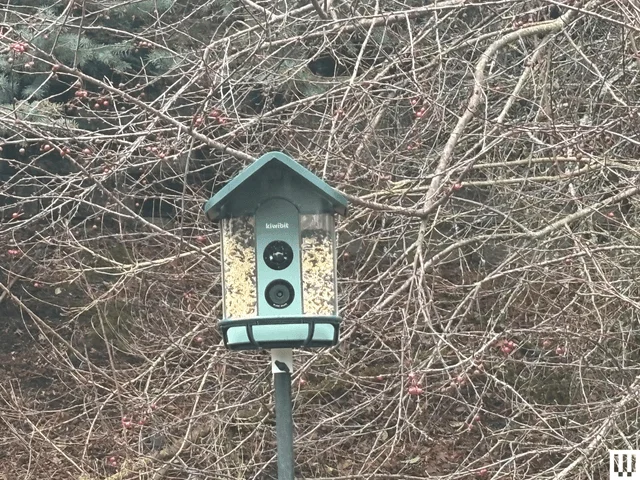
Kiwibit’s Feeder 2 costs $170 at Amazon, against a listed original price of $240. It’s not the brand’s newest model—the source points to the Feeder 2 Pro—but the regular version is presented as a strong value at this price. Its 1.5-liter hopper is split to hold two kinds of feed, and a top handle lets the hopper slide out for refilling without removing the whole feeder from its mount.
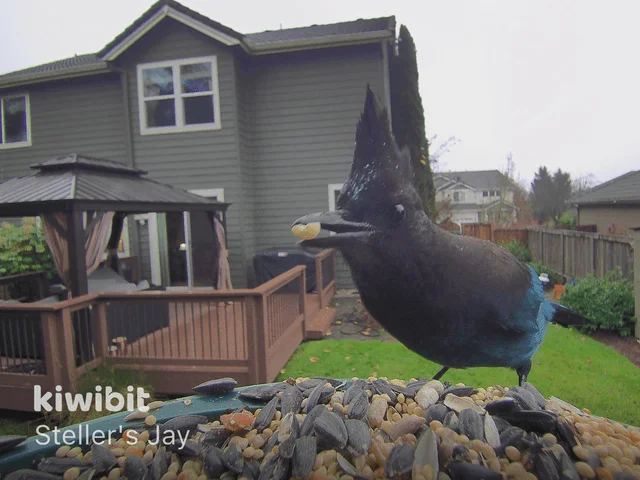
Image capture is a main selling point: the feeder produces 8-megapixel photos and 4K video. The reviewer also reports that the solar roof kept the device charged through varied weather during testing. Those details make the Feeder 2 appealing for people who want high-resolution footage and less routine charging, while its removable hopper makes maintenance more convenient than taking down the full unit.
There’s a software caveat. The app remains functional without a Kiwibit Plus subscription, according to the source, but the reviewer has encountered an increase in features behind the paid tier on the newer Feeder 2 Pro. That observation doesn’t establish that the same features are restricted on the Feeder 2, but buyers who care about long-term app access should check which functions are included with this specific model.
The feeder uses 2.4-GHz Wi-Fi and comes with a one-year warranty. For comparison, the Birdfy option above has a two-year warranty. Kiwibit’s build and camera specifications may justify the higher price for some households, but the shorter warranty and subscription direction are part of the purchase decision.
Kiwibit 4K with auxiliary solar: save $30
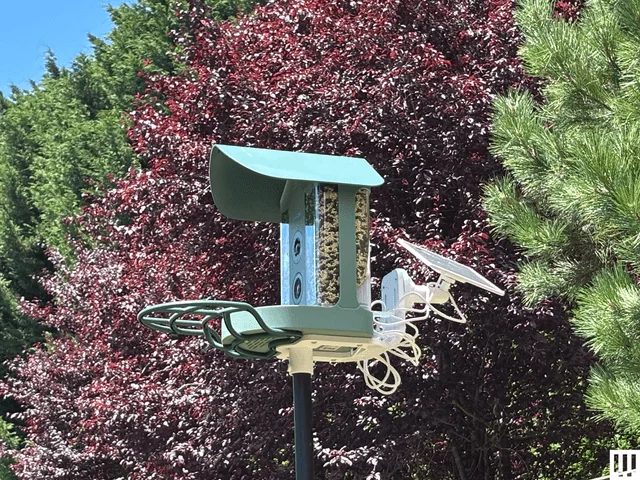
The Kiwibit 4K Smart Bird Feeder with auxiliary solar is listed for $140, a $50 reduction from $190. The source says it uses the same camera and hardware as the Feeder 2, but replaces the integrated solar roof with a separate 3-watt panel. The reviewer installed that panel on the back of a wall mount without difficulty.
That design makes the cheaper model a sensible option for buyers who want Kiwibit’s construction and high-resolution imagery but don’t need solar integrated into the roof. The saving compared with the $170 Feeder 2 is $30. Mounting still matters: the source author uses a pole mount to deter squirrels, and the separate panel needs a suitable place alongside the feeder.


Choosing between the three
For a lower-cost setup with solar and an app the reviewer finds easy to use, Birdfy is the clearest fit. Choose the Feeder 2 if the removable, divided hopper and built-in solar roof matter more, and you’re comfortable with its one-year warranty and Kiwibit’s subscription direction. The auxiliary-solar Kiwibit delivers the same camera and hardware as the Feeder 2 for less, with a separate panel to position.
All three require attention to network compatibility: the source specifies 2.4-GHz Wi-Fi for Birdfy and the Feeder 2, and doesn’t provide a separate Wi-Fi specification for the auxiliary-solar model. Before ordering, confirm the retailer’s current price and the exact features included with the model and app plan. Those checks will tell you more about the long-term value than the discount percentage alone.