Best iPhone to Buy in 2026: Top Picks for Every Budget
Compare the best iPhones from $699 to $1,999, with tested picks for different budgets and needs. ===END===
Our iPhone picks
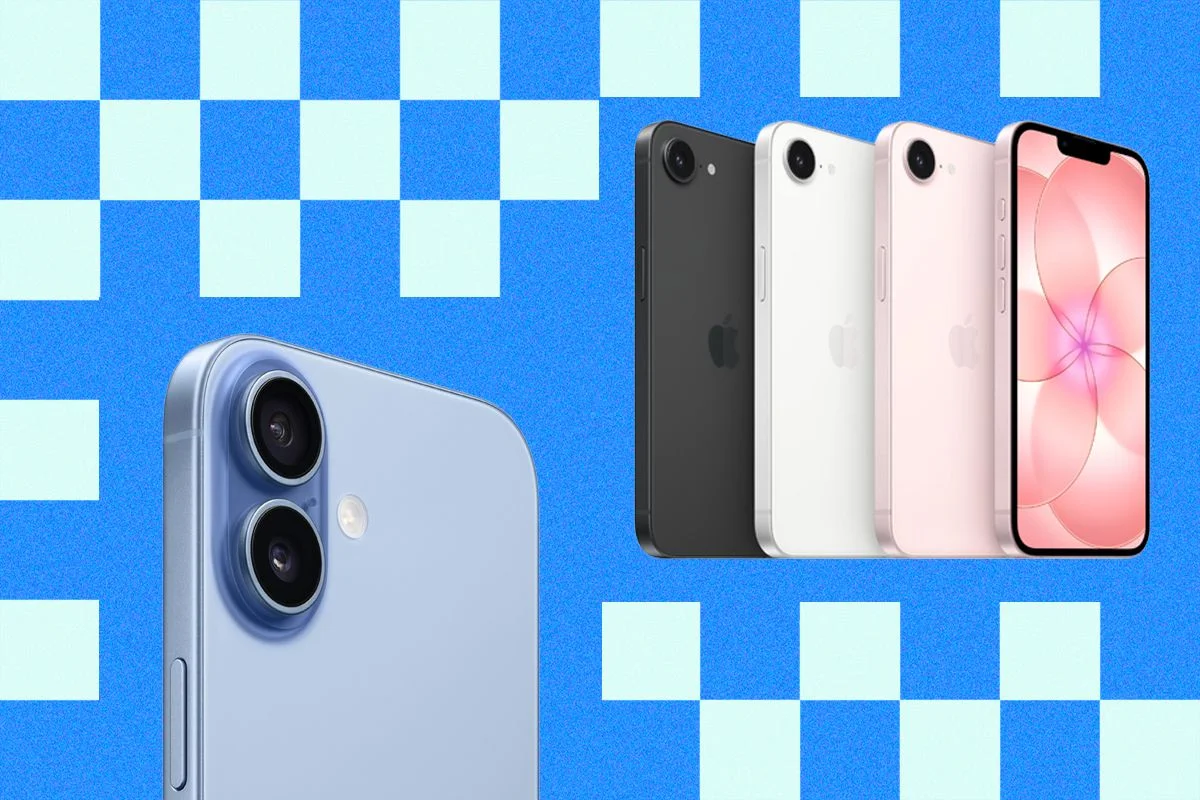
- **Best overall:** Apple iPhone 17, $899. [Read more](#68cb172cbca540dc800c15a2) - **Cheapest:** Apple iPhone 17e, $699. [Read more](#69ab4b0e67840ce1079bdc40) - **Midrange:** Apple iPhone 16, $799. [Read more](#66ede79bab816dbeb4003614) - **Ultimate:** Apple iPhone 18 Pro and iPhone 18 Pro Max, from $1,199. [Read more](#6aa9c345232d3f88355da936) The lineup also includes the $1,999 iPhone Duo. That’s a wide price spread, but price alone won’t tell you which phone fits. The guide compares the models’ strengths and tradeoffs so you can decide what’s worth paying for. If you’re comparing Apple gear, see our other [Apple buying guides](https://www.wired.com/tag/apple/), including [Which iPhone 18 Models to Buy](https://www.wired.com/story/which-apple-iphone-18-models-to-buy/), [Which iPhone 17 Model to Buy](https://www.wired.com/story/which-apple-iphone-17-models-to-buy/), [Best iPhone 17 Cases](https://www.wired.com/gallery/best-iphone-17-cases-and-accessories/), [Best MagSafe Accessories](https://www.wired.com/gallery/best-magsafe-accessories/), [Best MagSafe Chargers](https://www.wired.com/gallery/best-magsafe-wireless-chargers/), [Best MagSafe Wallets](https://www.wired.com/gallery/best-magsafe-wallets/), and [Best Apple 3-in-1 Chargers](https://www.wired.com/gallery/best-apple-3-in-1-wireless-chargers/). We’ve also covered [what’s new in iOS 27](https://www.wired.com/story/top-new-features-in-apple-ios-27-and-ipados-27-launching-september-14/). *Updated October 2026: We added more information about the iPhone Duo and links to our reviews and related coverage now that it’s available.*Before you upgrade
You may get more for your current iPhone by selling it than by trading it in to Apple. iPhones tend to retain their value, especially in mint or good condition. Our [guide to selling or trading in your iPhone](https://www.wired.com/story/how-to-trade-in-or-sell-your-iphone/) explains the process; options include [Swappa](https://cna.st/affiliate-link/MqMVDRsypCNABGWG8LuZ112B2LUqDsQFyncNtZPoKiTwMjBD4LJLCQvkXAXcM2A7fGZJNCnUXmUKEgGmHjBS4NR5GKXgEB2zMvMrHCx8YTTr4RrMaP6LABUqtvupTN4i2mACVacbZhiuqu1E1NLjQ13iRfPFstVJMAmrwVJUGL528uj7sYHgYihWG2E641dVEpfJC5SePYzfQHf9CaZQch13pWVu6RQAFEA7nbvpTyDADW6ocmMK5hgwgFLdM8QzHeSRCFGkwGjjsF8NtvqQmTURRNHQ3cFg), [Gazelle](https://cna.st/affiliate-link/8fESWYnFUrhpZ81wpBmy5DGUUSnmJQGU7s3tEfzymc6o1bkmAD5QLyVP7DypNsTiwUJhDsz6FkEm6n4miNXetYRrYUMpEWNdoWndc3fCSsL8bKZs3mCHArp93p9Tvfv3LG9reVECQUfbxPVgh5v4FGnY24wTFFT4qndjmNbhJd3okXbLQ26Dgn5oLHr64T81rQ2P6Hmf58ZMWePKQhKbFqbcQbvV8ECLDNdDzzV5rBMCyadZcQosTMWBic8VDx13yvnToAzBEnKv7vfsFUuLdT6VThDBb8qrmM1TAwtT7QcpDk5jhx), and [Back Market](https://cna.st/affiliate-link/4NeJabgQykde13qrmPRuhidu9SxXHSLRy4sba59DzJ8w8H9SMXbinJgihfR2RN8oNewKVbk81nNQwe8RYe2jmgpAhZfbKwBrU6NZV4t6p2b2wu3CrUxvn81P5UMZXJKtACH4RBzT2HMM6Ktu9BA7Hxp1AXjyWyTxfCxvt5ApuVdJW3P7GGWUmoVK8ST21w23i5tCeyUGZGkCaQvEp49mdUYsJh3DATjPvszjb18RhwrN9whSTkvJS9U8SP2Afdz2p1RUfViRpVK7owevUCigiXtiE9GuScKmdcvG9edwc85ZyfeR3smYeE6MH4eSSG87A5pNmbiQKo6eimYsdo62yDPcAefe4AKowC). Before handing over your old phone, use these guides to [back it up](https://www.wired.com/story/how-to-backup-your-iphone/), [transfer your data](https://www.wired.com/story/how-to-switch-iphones-or-ipad/), and [factory reset it](https://www.wired.com/story/how-to-reset-your-phone-before-you-sell-it/). For the new device, see [how to set up an iPhone](https://www.wired.com/story/how-to-set-up-a-new-iphone/) and [which settings to change](https://www.wired.com/story/key-iphone-settings-to-change/).Buying from Apple or a carrier
Most US buyers get iPhones through carriers, where a phone may be locked to that network. Switching can mean contract complications and extra fees, and a carrier lock can get in the way when you travel and want to use an international SIM or [eSIM](https://www.wired.com/story/how-esims-work-and-how-to-switch-from-standard-sim/). Buying from Apple can simplify the choice, but the details matter: - **Connect to any carrier later:** This gives you an unlocked phone. Usually, you can transfer your SIM or eSIM from your old iPhone; if eSIM transfer fails, you may need help from your carrier. US iPhones haven’t had a SIM tray since the iPhone 14 in 2022. - **Choose a carrier through Apple:** Apple says these iPhones are unlocked regardless of carrier, except AT&T phones bought on an installment plan. Carrier promotions may offer less attractive savings than they first appear: they can require a new line, trade-in, or more expensive plan, and often pay out as bill credits. - **Finance:** Apple offers monthly installments through its credit card or Apple iPhone Payments through a Citizens One loan. You’ll need to select a carrier, and Apple says those phones are unlocked; eligibility depends on a credit application. When financing through a carrier on Apple.com, T-Mobile and Verizon phones are unlocked, while AT&T and Boost Mobile models are locked. - **Apple Upgrade:** Apple’s [leasing option](https://cna.st/affiliate-link/6AeCGcpfTzQfze9vr8D7yzRWGmseLHkYRhKqWGwFyvSXQNZWUs3ye1KeV4qpa2AiCJZvQ2Hy5vBvKupSoahN1sWBvSTHiRa7TE2iEgfz6RJJj6HAK8gd6D5Xjw71pjjRabLn5KcQWgMbcjmQZPA9Aa4L2QhXXKZZbeEp6Xpiqp7FfuPRdACsYtAjaSid5tPJqMLSzbaMFQapyo33iNXs72aMSdM7RBYBSN1dSPyk74yP7BktHioEPdbUqYXVmbsmxa4pxo8GAFCFXYRCfA7EMEeFNuA4pZQdMojhmDDL3AHeNz) lets you get a new iPhone regularly. For most people, that cadence is hard to justify: it costs more, requires returning the phone in good condition, and doesn’t include AppleCare. The discontinued [iPhone Upgrade Program](https://cna.st/affiliate-link/3pKFbPPXy9yLiFKKrnLYTKWBQVjzZMwjSpmBgHH2pyATWwF2bNuVeBkEJcExHLHAZVpB1FmWu6NdkHpYEYkSNVFAaYCUUZ626LaAchKrNS2uGRqkhyCrcBhPkAb3UiAtQQAYRY1452oou3dmv1o5Q79idQrEtVUHVtav2Vuwxi15DtAcdTjqYgyiWYU385NLswHRGwRV7myRMjr2zRsoFxooSDN8YFjLcEgnpE6zKJiDWmXCDuTij4pqYzyDUyEZFuNt5aAF3bNn9g4FsKpFso5bJUg5RxZYgQk74sQLRZKHTkoE2cNGy6riGmprvvsHE2PQ) included AppleCare; Apple Upgrade does not.What Apple Intelligence does
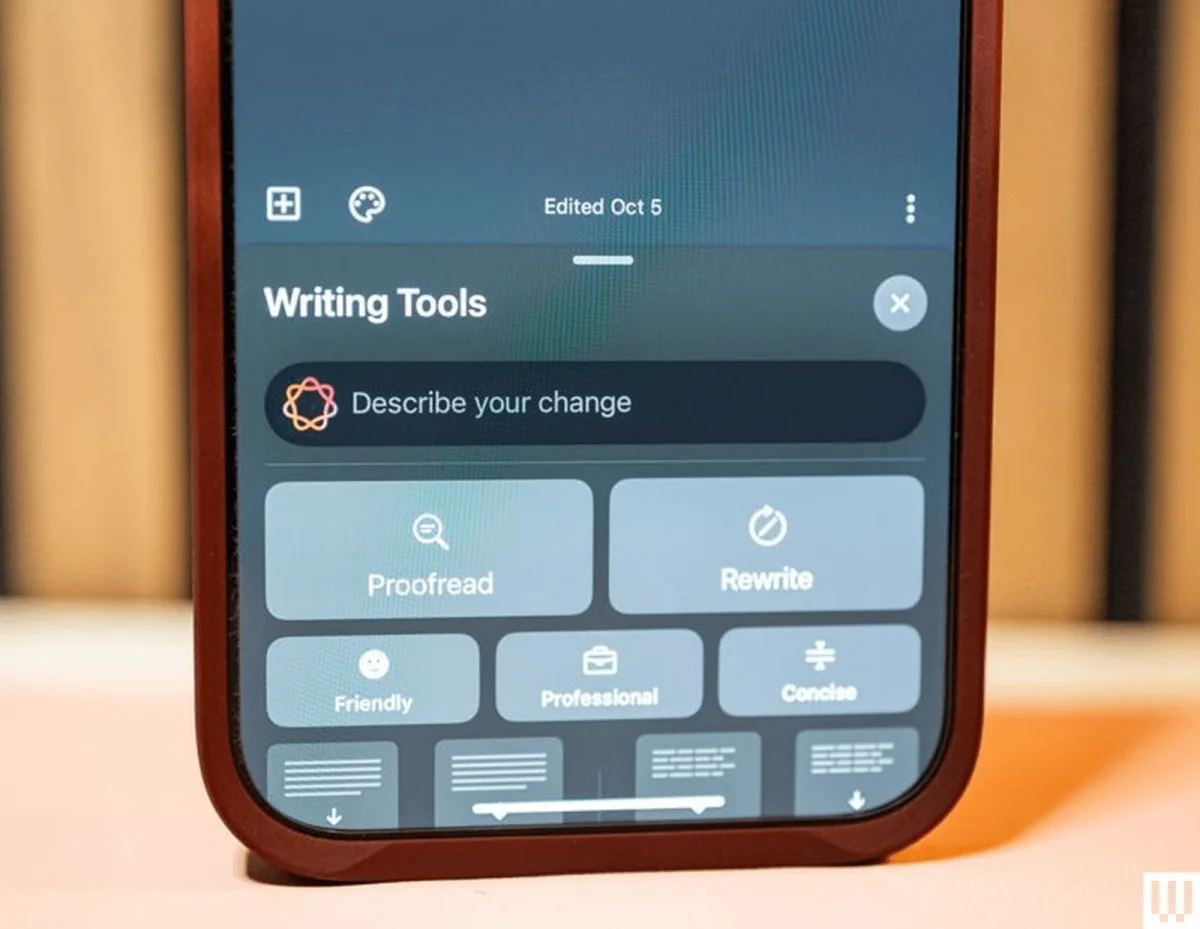 *Photograph: Julian Chokkattu*
Apple Intelligence was the headline feature of the iPhone 16 generation and arrived with iOS 18.1. It’s Apple’s set of AI features, developed amid the attention drawn by systems such as [ChatGPT](https://www.wired.com/story/how-chatgpt-works-large-language-model/) and [Google Gemini](https://www.wired.com/story/what-is-gemini-live/). The feature set works on the iPhone 15 Pro and Pro Max and newer models, including the [iPhone 16e](https://www.wired.com/review/apple-iphone-16e/), as well as select [iPads](https://www.wired.com/gallery/the-best-ipad/) and [MacBooks](https://www.wired.com/story/which-macbook-should-you-buy/).
The name covers a collection of features that use large language models. Voice Memos and Notes can transcribe recordings as they’re made; calls can also be recorded and transcribed into Notes. Siri can handle some misspoken requests and draw on ChatGPT for open-ended questions. Writing tools across the operating system can adjust the tone of an email or proofread text before you post it.
That’s only part of the package. Our guide covers more [Apple Intelligence features](https://www.wired.com/story/apple-iphone-ios-18-ipados-18-new-features/). Apple has added capabilities through iOS updates: [Genmoji](https://www.wired.com/story/how-to-create-genmoji-iphone-ios-18-ipados-18/), for making custom emoji, and the image-generation app Image Playground arrived in iOS 18.2. In iOS 27, Apple added a conversational version of Siri that can use [personal context](https://www.wired.com/story/my-brief-summer-fling-with-siri-ai/) from messages, email, and photos. It can also draft a message in a requested tone or help find a restaurant for a birthday dinner. See [what Siri AI can do](https://www.wired.com/story/everything-new-you-can-do-with-siri-ai/). If you’d rather disable Apple Intelligence, follow our [step-by-step guide](https://www.wired.com/story/how-to-turn-off-apple-intelligence/).
MagSafe and accessories
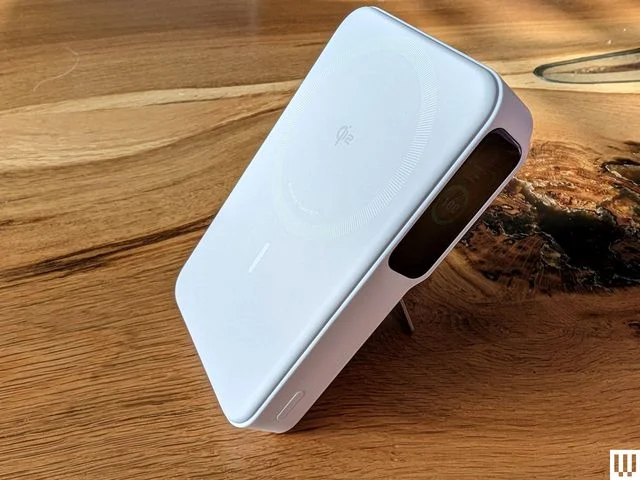
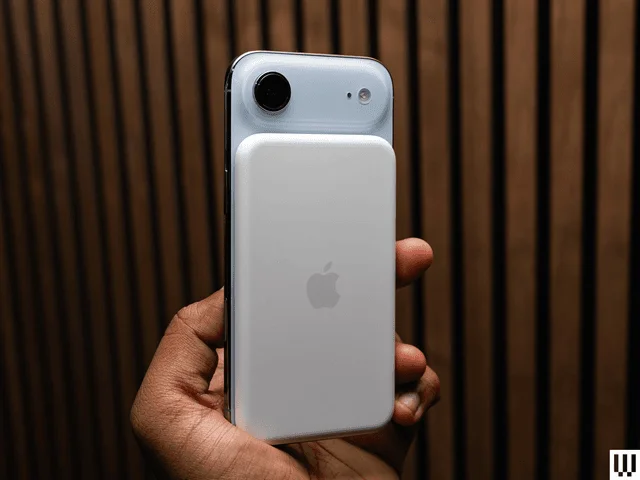
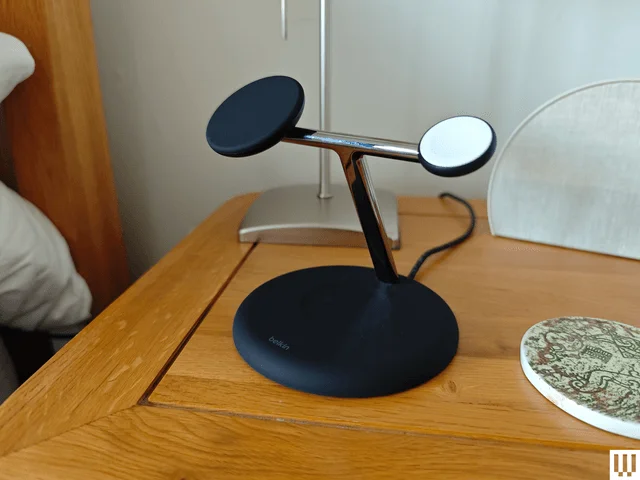
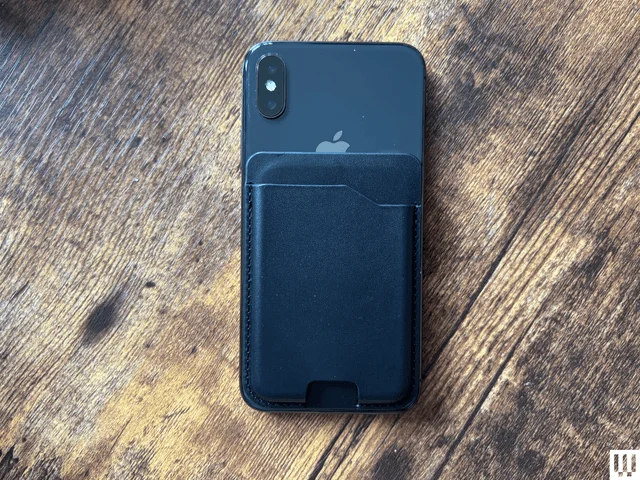
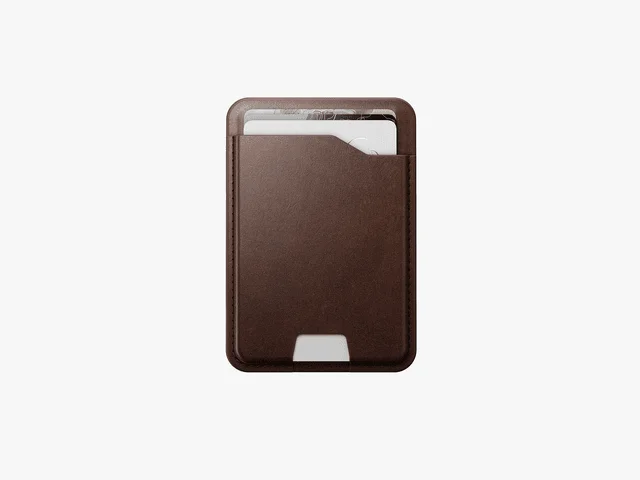
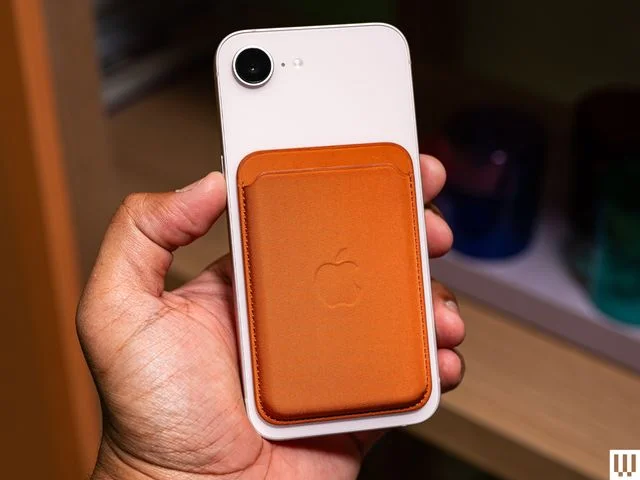
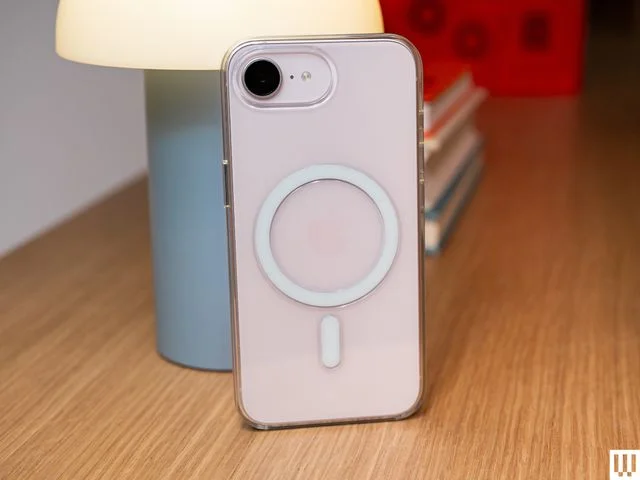
MagSafe combines wireless charging with magnets that hold accessories against the back of the phone. It’s available on iPhone 12 through iPhone 18 models, except the [iPhone 16e](https://www.wired.com/review/apple-iphone-16e/). iPhones also support [Qi2](https://www.wired.com/story/what-is-qi2-wireless-charging/), the open wireless charging standard; Qi2 accessories can work like MagSafe ones, while MagSafe itself is proprietary. Apple sells a [MagSafe Wireless Charger](https://cna.st/affiliate-link/35a2Pj22cNjnRKoR5DDdygNAhntDHn1XiZNQCW1MUuwabfxXrVqnYVH8K4UgHFPhxCHDrN9wMdFdB7aF82UmVwKHbaEgj4uhmatpserDRW1JarmGND9YNvijHaxRZ11guC9skErSjDQzuMunEiMuUnDtjJDQnetPDRJDRxboCK3qcrAANBtcdS86q9LTzD5oowUkdf879zcMVH5q8kT92F9Ju6xaEtTnLzBwFe45eT5dPFeJkFeQjaDiuCCtmE9WH4SkuNMZeiMf2wCMM5EXwMUAocdFoA9fzVT4TiVEHbfEaZtKKfTK22bBcQHjTkeDrPHG7VzgVnmjaS2) that attaches to the phone for faster charging, along with a [MagSafe Wallet](https://cna.st/affiliate-link/BzWhgJVfGnESm5Hjzoj4joXYzqJcveTu68u9kevsvLxoZzTXcmcEPVrRAUrm6tEwdPWbkQcaEwbSYxbpQaMJsP85HtPty1w6nikdzo74wjwvsuwpGENq7ViHaSVx6BMda85hySXTAEUitjh1eZCJYVX63QmYkDZUsb5JMfxtvBdDwVDFtEZyT4HHLovCnbqCeA2CaRipb88DuZ1BxhKFZ5oMZbF35FDy6U9VFC92jb2SKeMAk3N7fmxaFP3EKL7rzi83fuqRGsB8JbvkHULJ2Ph1wzVzSrNJmS45w2DarFBiPGf9t9xUuNxNV1FjTeMj944FD1Vk2QB4ygo6ZpSUPmsvTyhfv1i7QJicjiv9HEGi4e). The accessory ecosystem goes well beyond charging: options include power banks, wireless chargers, wallets, [tripods](https://cna.st/affiliate-link/6zU1p8vmokUuYYWd28dQ8YmLKPuBVhjKENcFSTBjPjYz69LV4DrzFgAg85QJsQ5aTFu3KkcijNgqBCCQ4ATzvbCtqhz1wkTE3MZngQFEUgLYufk1ohbZ2R5cbXWASatay1eEbHMFzE6nhG9RjYcLvwYZ7FCKXrK76ZfqpNuZKpdHjExJg1qwwbginxh5zAt5SUzzxGCCJ7cLdkqiDM5TAnSLBjxqMHjEH7vA7U44aTVGjK8tiTykk3xXdKt4B5tswAh7HaCPuxZCSDyZhLhaPma8XZRDECvMFtTyXN587iwN5kxvKVXxvwD4xtLSd32PqC9e3H7WZ2658YdXHwmMGhxqBVx8bY6wTJf2QgHG16LmJZAVMM1eykGHWMnnKm34QFw4), camera cages, notepads, and ring lights. Browse our guides to [MagSafe accessories](https://www.wired.com/gallery/best-magsafe-accessories/), [power banks](https://www.wired.com/gallery/best-magsafe-power-banks/), [wireless chargers](https://www.wired.com/gallery/best-magsafe-wireless-chargers/), [wallets](https://www.wired.com/gallery/best-magsafe-wallets/), and [phone camera and video gear](https://www.wired.com/gallery/best-photo-video-accessories-for-phones/).A case is still the simplest way to protect an iPhone. Glass can break even when Apple strengthens it with ceramic: we cracked an iPhone 16 Plus after a four-foot drop onto pavement, despite Apple’s claim that its glass was twice as strong as on earlier models. If you use magnetic accessories, choose a case with MagSafe built in; other cases can weaken the connection. Every case in our guides has been tested with MagSafe. See our picks for iPhone 17, iPhone 16, iPhone 15, and iPhone 14.
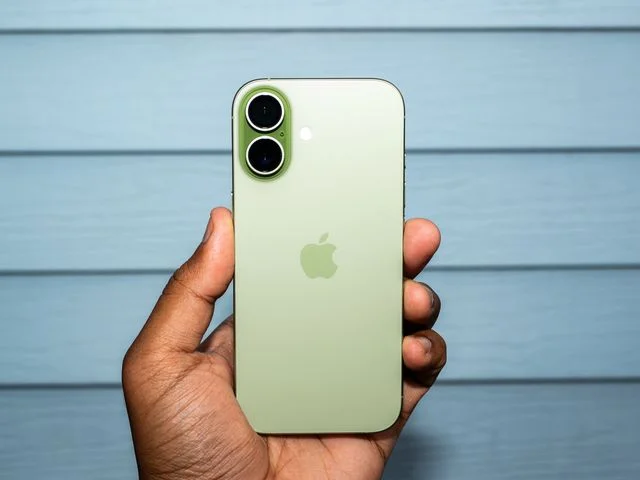
Best iPhone Overall
The iPhone 17 is the best fit for most people shopping for an iPhone. Its biggest everyday improvement is the display: Apple has finally brought a 120-Hz refresh rate to the standard model. Scrolling and animations feel more responsive, a change you’ll notice most if you’re upgrading from a 60-Hz iPhone. The 6.3-inch OLED screen reaches 3,000 nits of peak brightness, and an anti-reflective coating helps with glare. Apple says Ceramic Shield 2 is three times more scratch-resistant than the previous glass.
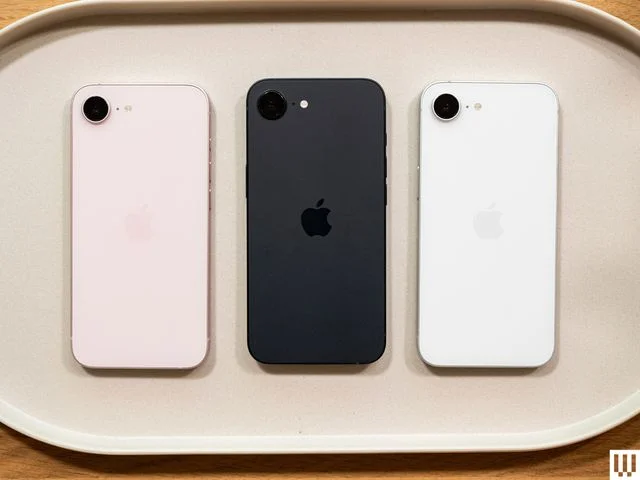
The iPhone 17’s front camera is a more unusual upgrade. Its 24-megapixel square sensor captures 18-megapixel photos, and lets you switch between portrait and landscape framing in software while holding the phone upright. Center Stage can automatically adjust the framing and orientation when more people enter the shot. You can also record video with the front and rear cameras at once using Dual Capture. Apple explains the camera changes here.
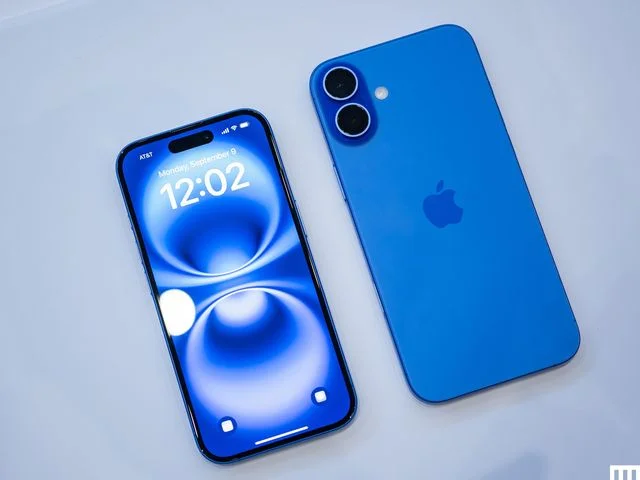
Storage starts at 256 GB, the ultrawide camera is now 48 megapixels, and the larger battery comfortably lasted a full day in our use, with more than six hours of screen-on time. The missing piece is a dedicated telephoto camera. Some similarly priced Android phones, including the Google Pixel 10 and Samsung Galaxy S26, offer more optical zoom options. The iPhone’s 2X “optical-like” zoom is decent, but it doesn’t make up for a missing telephoto lens.
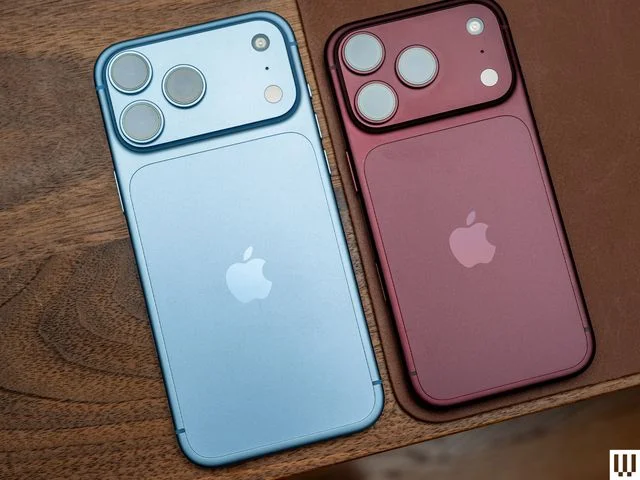
Still, this is one of Apple’s most complete standard iPhones in years. It lacks the Camera Plateau design found on the pricier iPhone Air and Pro models, and its price rose by $100 when Apple announced the iPhone 18 Pro lineup. There’s no iPhone 18 yet; it’s expected in early 2027.
| Specs |
|---|
| Display: 6.3-inch, 120-Hz OLED |
| Processor and RAM: A19 with 5-core GPU, 8 GB RAM |
| Storage: 256 or 512 GB |
| Cameras: 48-MP Fusion Camera, 48-MP ultrawide with Macro, 18-MP selfie camera with Center Stage |
| Features: Qi2 25W MagSafe wireless charging, Face ID, Dynamic Island, second-generation Ultra Wideband, IP68, Ceramic Shield 2, N1 networking chip, Dual Capture, Center Stage |
The Cheapest iPhone
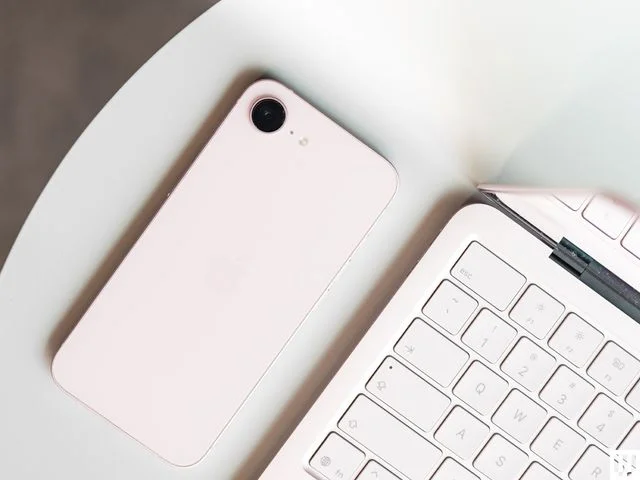
For a lower-cost new iPhone, consider the iPhone 17e—particularly if buying used through the refurbished iPhone market isn’t for you. Its compromises are easy to identify: one rear camera, no ultrawide-band chip for precise directions to your AirTag, and a 60-Hz screen. The camera is adequate, but it’s less versatile and performs worst in low light among the iPhones discussed here. You can still find a lost item without Ultra Wideband; the directions are simply less precise.
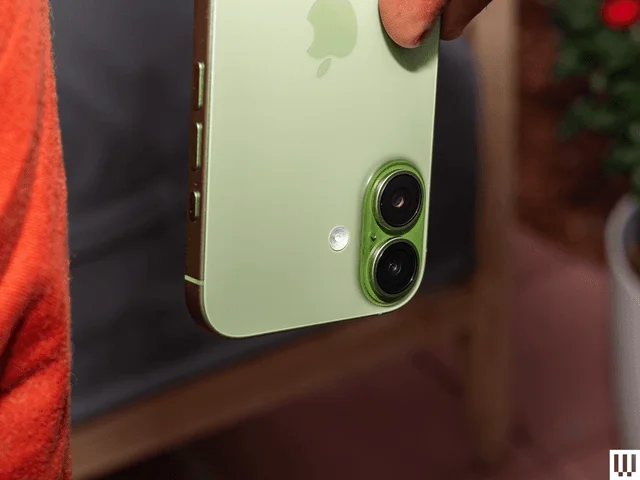
The A19 chip is the same generation as the iPhone 17’s, though the 17e has one fewer graphics core. That difference showed up as occasional stutters in Genshin Impact with graphics maxed out, but the game remained playable. Ceramic Shield 2 protects the screen, storage starts at 256 GB, and battery life held up through a full day of heavy use.
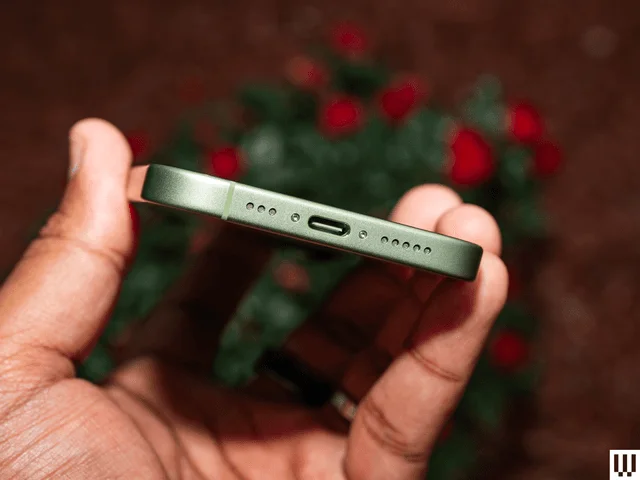
The more consequential addition is MagSafe, which the iPhone 16e lacked. It opens the door to magnetic accessories for wireless charging, attaching the phone to a tripod, or mounting it in a car. Browse MagSafe accessories and car mounts.
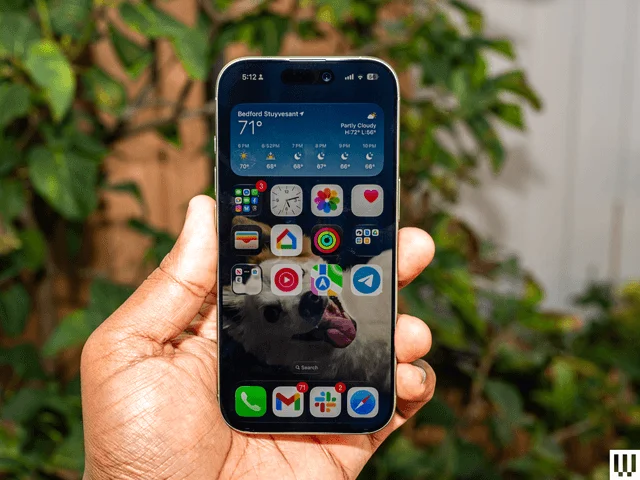
| Specs |
|---|
| Display: 6.1-inch, 60-Hz OLED |
| Processor and RAM: A19 with 4-core GPU, 8 GB RAM |
| Storage: 256 or 512 GB |
| Cameras: 48-MP Fusion Camera, 12-MP selfie camera |
| Features: Qi2/MagSafe wireless charging, IP68, Ceramic Shield 2, Apple Intelligence, Face ID with notch, Action button, C1X modem |
The Midrange iPhone
The iPhone 16 is worth considering if you want a second rear camera or prefer its bright colors to the 17e’s simpler setup. Apple still sells the 2024 model, but the price is now $799, and the larger iPhone 16 Plus has been discontinued. I’d look for a discount from another retailer before buying; at $799, it’s hard to recommend. Apple hasn’t made an iPhone 17 Plus either, replacing that slot with the iPhone Air.
The 6.1-inch iPhone 16 generally lasts a day, though heavy users may need to recharge before bed. Its Action button replaces the old mute switch and can be customized. Camera Control opens the camera and acts as a shutter; light presses and swipes also change camera modes and styles. I disable those extra controls through Settings > Camera > Camera Control > Customize, then switch off Light Press and Swipe.
| Specs |
|---|
| Display: 6.1- and 6.7-inch, 60-Hz OLED |
| Processor and RAM: A18 with 5-core GPU, 8 GB RAM |
| Storage: 128, 256, or 512 GB |
| Cameras: 48-MP Fusion Camera, 12-MP ultrawide with Macro, 12-MP selfie camera |
| Features: Qi2/MagSafe wireless charging, IP68, Ceramic Shield, Ultra Wideband, Apple Intelligence, Face ID, Dynamic Island, Action button, Camera Control |
The Ultimate iPhone
Apple’s top phones are the iPhone 18 Pro and iPhone 18 Pro Max. Battery life is the clearest reason to choose one: the Pro Max’s denser battery can last two days, while the smaller Pro typically finished the day with about 40 percent remaining. The A20 Pro chip and revised vapor-chamber cooling also make these Apple’s most powerful phones; performance stayed smooth while playing the demanding game Control.
The camera system gets a meaningful, if specialized, change. All three rear cameras have 48 megapixels, and the main lens now has a variable aperture. Adjusting the aperture controls how much light reaches the sensor and how much of the scene stays in focus, giving photographers more options for low-light shots and blurred backgrounds. Apple has also improved video capture. The Dynamic Island is smaller and can show three activities. There’s no orange finish this year; burgundy is the new color.
This is a modest update over the iPhone 17 Pro, and it costs $100 more across both sizes. iOS 27 adds features that will also reach the iPhone 15 Pro and newer, including a more capable Siri AI. It can better understand what’s on screen and draw on information in your messages, emails, and photos.
| Price |
|---|
| iPhone 18 Pro: $1,199 at Apple |
| iPhone 18 Pro Max: $1,299 at Apple |
Foldable ambition comes with trade-offs
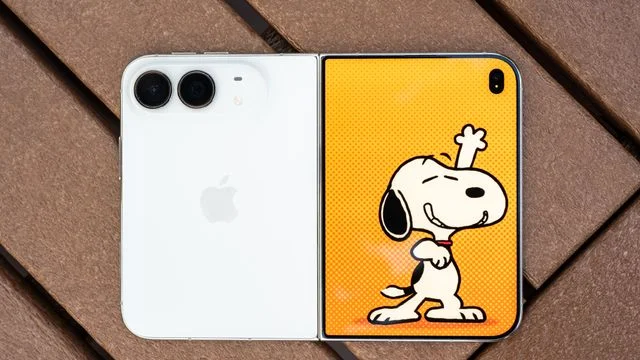
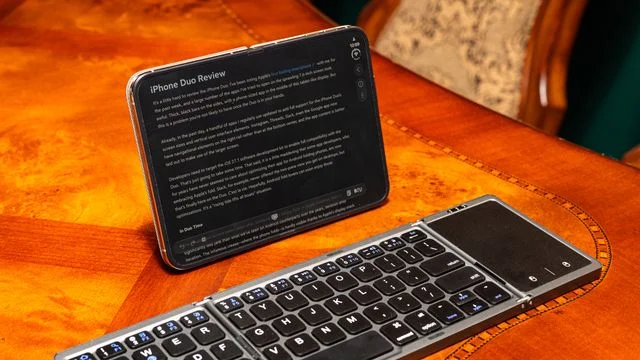
Apple’s first foldable, the $1,999 iPhone Duo, makes a persuasive case for the format. Its 5.4-inch outer screen opens into a 7.6-inch, 120-Hz OLED display, roughly iPad mini territory. That passport-like shape resembles Samsung’s Galaxy Z Fold8, which currently leads our [folding-phone picks](https://www.wired.com/gallery/best-folding-phones/). You can even [try using the Duo for a full workday](https://www.wired.com/story/i-worked-for-a-whole-day-using-only-the-iphone-duo-heres-how-it-went/).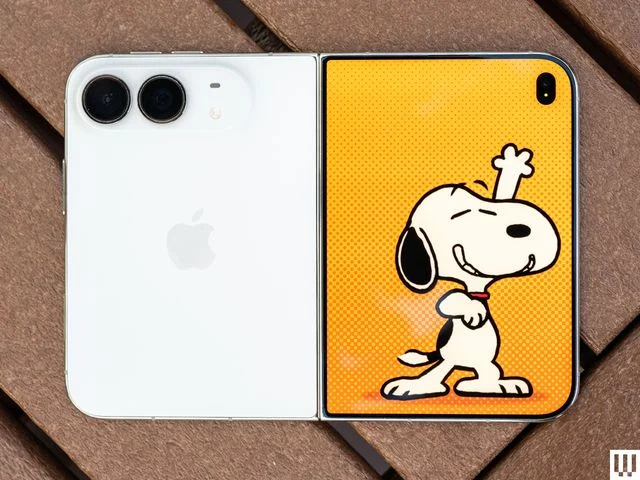 Photograph: Julian Chokkattu
The hardware shows how much Apple had to prioritize. A titanium frame, magnetic hinge, IP68 rating, and a display stack that reduces the crease make this a sturdy first effort, though it’s heavier and bulkier than Samsung’s Fold8. Face ID gives way to Touch ID in the power button, and there’s no telephoto camera: the rear pair consists of 48-megapixel main and ultrawide cameras. Apple claims the largest battery yet in an iPhone, with 24 hours of mixed use; in typical use, the review found about 40 percent charge remaining after a day.
The software may be the Duo’s strongest argument. Apple has built in vertical control layouts and split-screen tools, while encouraging developers such as Slack to adapt their apps. The transitions are generally smooth, but app support will take time to catch up. Kid Cue helps draw a child’s attention for photos; improved [StandBy](https://www.wired.com/story/how-to-use-phone-as-bedside-clock/) turns the outside screen into an alarm clock while the inner display glows to wake you. Apple Pencil support is due later this year.
At $1,999, this is a costly bet on a first-generation device. The iPhone 18 Pro models are more capable on paper, so whether the Duo makes sense depends on how much you value a folding screen—and how patient you are with early software support.
**iPhone Duo specs:** 5.4-inch outer and 7.6-inch inner 120-Hz OLED displays; A20 Pro with a six-core GPU and 12 GB RAM; 256 GB, 512 GB, 1 TB, or 2 TB storage; 48-MP Fusion and ultrawide cameras with Macro, plus a 12-MP Center Stage front camera. Features include 25-W Qi2 MagSafe charging, Touch ID, Dynamic Island, second-generation Ultra Wideband, IP68, Ceramic Shield 2, N1 networking, vapor-chamber cooling, Dual Capture, Center Stage, and 4K 120-fps video.
Thin and light means choosing what to give up
At 5.6 mm thick and 165 grams, the $1,099 iPhone Air makes its case the moment you pick it up. Its 6.5-inch screen is large, yet the phone feels strikingly light; after a day with it, the iPhone 18 Pro can seem like a brick. The Air’s design also appears to have informed the foldable [iPhone Duo](https://www.wired.com/story/apple-debuts-the-iphone-duo-its-first-folding-iphone/).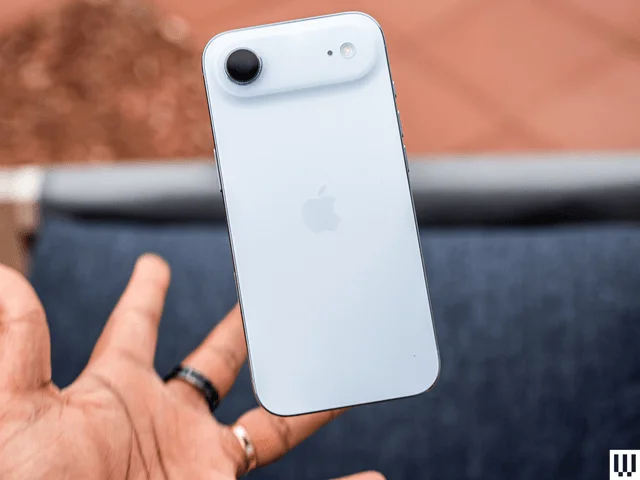 Photograph: Julian Chokkattu
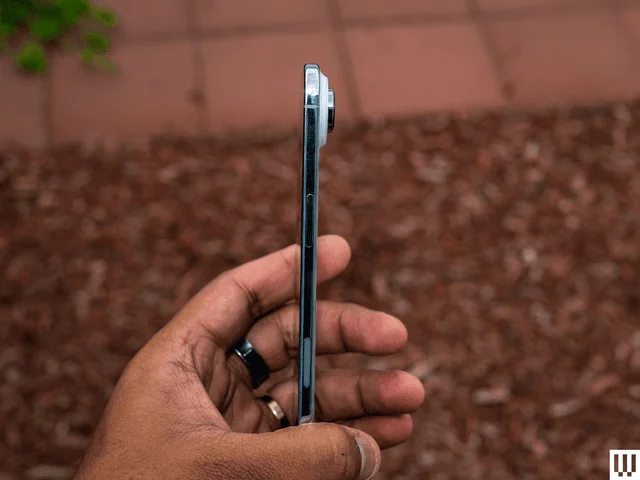 Photograph: Julian Chokkattu
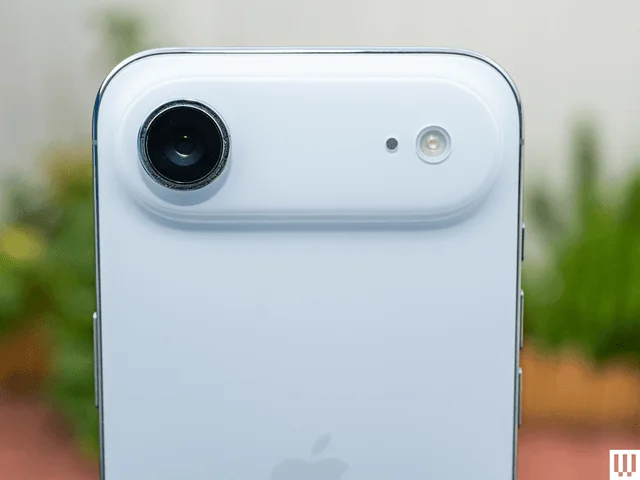 Photograph: Julian Chokkattu
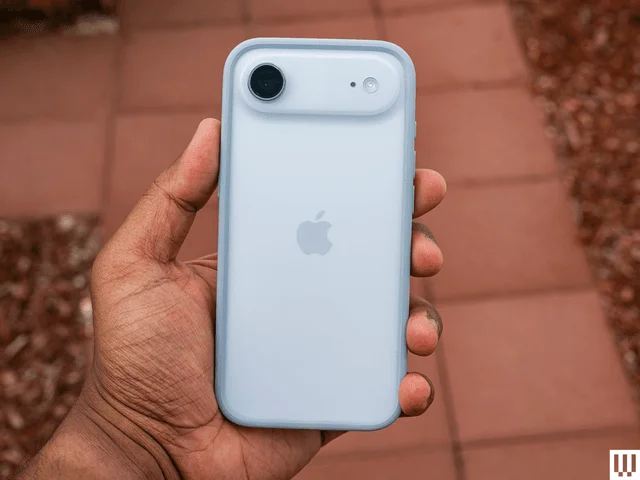 Photograph: Julian Chokkattu
That slim build asks a lot of the camera. There’s one 48-MP main lens, with 2X “optical-like” zoom, but no ultrawide, telephoto, or macro mode. The cheaper iPhone 17 can sometimes produce sharper shots from its main camera. The 18-MP selfie camera, shared with the iPhone 17 lineup, is a bright spot.
Battery life is less disastrous than the design might suggest: typical use can last a day, often with more than five hours of screen-on time. Heavy use—especially Maps or games—may call for an afternoon charge. Apple’s C1X modem, also used in the iPhone 17e, helps conserve power, but it doesn’t support mmWave 5G. Most people rely on sub-6 5G, as [this explainer](https://www.wired.com/story/wired-guide-5g/) lays out, though mmWave can matter in dense city centers, airports, and stadiums.
If you rarely use a camera and can charge during the day, [cheaper phones](https://www.wired.com/story/best-cheap-phones/) may be a better buy. If the lightest possible iPhone is the point, the Air delivers. Its price makes the camera compromises hard to ignore.
**iPhone Air specs:** 6.5-inch, 120-Hz OLED display; A19 Pro with a five-core GPU and 12 GB RAM; 256 GB, 512 GB, or 1 TB storage; 48-MP Fusion rear camera and 18-MP Center Stage selfie camera. Features include 20-W Qi2 MagSafe charging, Face ID, Dynamic Island, second-generation Ultra Wideband, IP68, Ceramic Shield 2, N1 networking, Apple C1X modem, Dual Capture, and Center Stage.
Last year’s Pro phones still have a case
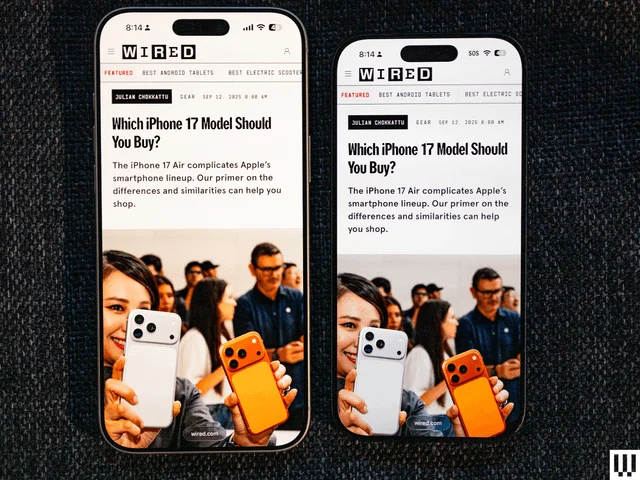
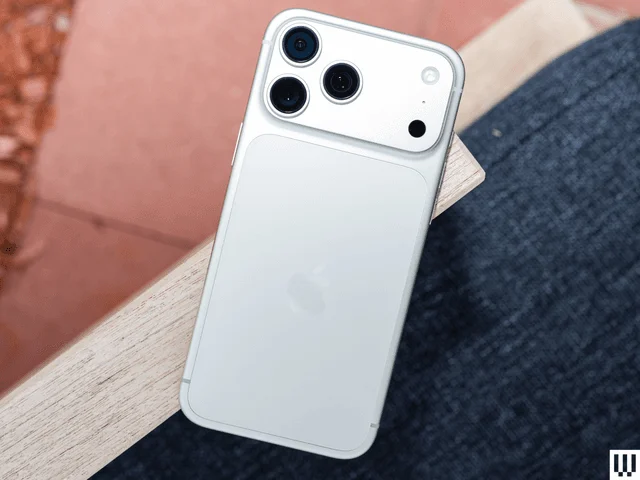
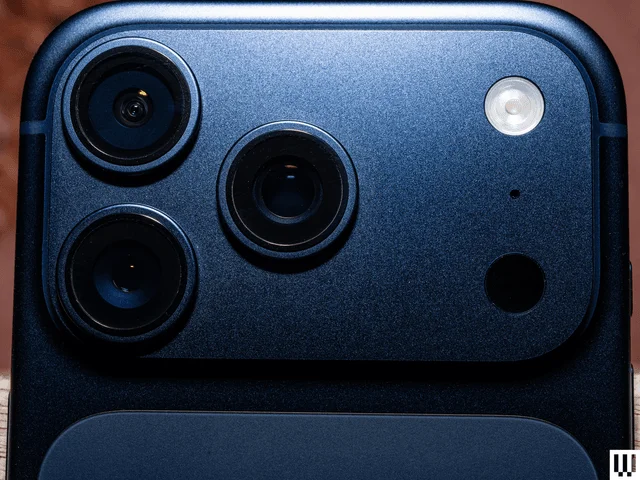
Apple has stopped selling the iPhone 17 Pro and Pro Max, but other retailers still carry them. They’re compelling if discounted well below the current iPhone 18 Pro prices, though stock can disappear quickly.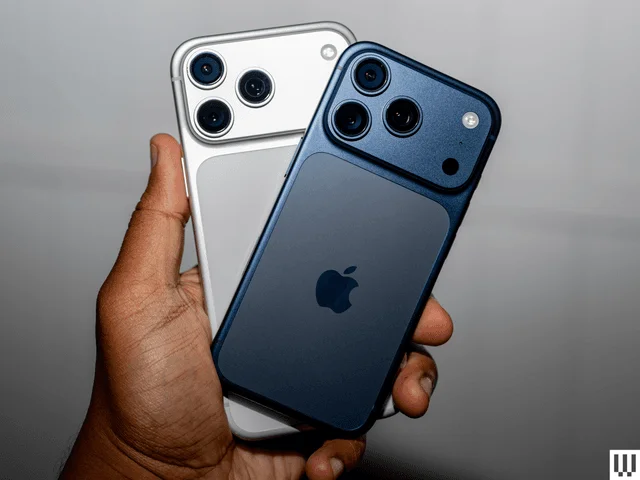 Photograph: Julian Chokkattu
 Photograph: Julian Chokkattu
 Photograph: Julian Chokkattu
 Photograph: Julian Chokkattu
Their heft pays off in endurance. Both models routinely approached seven hours of screen-on time and often finished with 30 to 40 percent charge left. They share the same features apart from screen size and battery capacity.
The more consequential upgrade is thermal management. Aluminum construction and vapor-chamber cooling spread heat across the back, helping the A19 Pro sustain performance. In a test of *Assassin’s Creed Mirage* lasting over an hour, the phones grew warm without hot spots and ran at maximum graphics without stutters. The iPhone Air became uncomfortably hot in one area and stuttered more during extended play. For demanding games or heavy processing, the 17 Pro models remain the safer pick.
All three rear cameras now have 48 megapixels. The telephoto reaches 4X zoom, with optical-like quality up to 8X. The iPhone 16 Pro had 5X optical zoom, but the larger sensor and higher resolution on the 17 Pro can produce brighter, sharper zoom shots. Video is another strength; the review includes [sample footage](https://www.wired.com/review/apple-iphone-17-pro-and-iphone-17-pro-max/). These phones still have plenty of power for most people, and there’s one small distinction the newer models can’t offer: orange.
**iPhone 17 Pro and Pro Max specs:** 6.3- and 6.9-inch, 120-Hz OLED displays; A19 Pro with a six-core GPU and 12 GB RAM; 256 GB, 512 GB, or 1 TB on the Pro, with 2 TB also available on the Pro Max; 48-MP Fusion, ultrawide with Macro, and 4X telephoto cameras, plus an 18-MP Center Stage front camera. Features include 25-W Qi2 MagSafe charging, Face ID, Dynamic Island, second-generation Ultra Wideband, IP68, Ceramic Shield 2, N1 networking, vapor-chamber cooling, Dual Capture, Center Stage, and 4K 120-fps video.
iOS 27 puts its effort into everyday use
After iOS 26’s divisive [Liquid Glass design](https://www.wired.com/story/liquid-glass-could-be-one-of-apples-most-divisive-system-designs-yet/), iOS 27 and iPadOS 27 turn toward smaller practical changes: a redesigned [Siri](https://www.wired.com/story/apples-new-siri-ai-is-ready-to-get-personal/), a simpler [Shortcuts app](https://www.wired.com/story/7-basic-iphone-tricks-i-built-with-ios-27s-revamped-shortcuts-app/), and speed and stability improvements.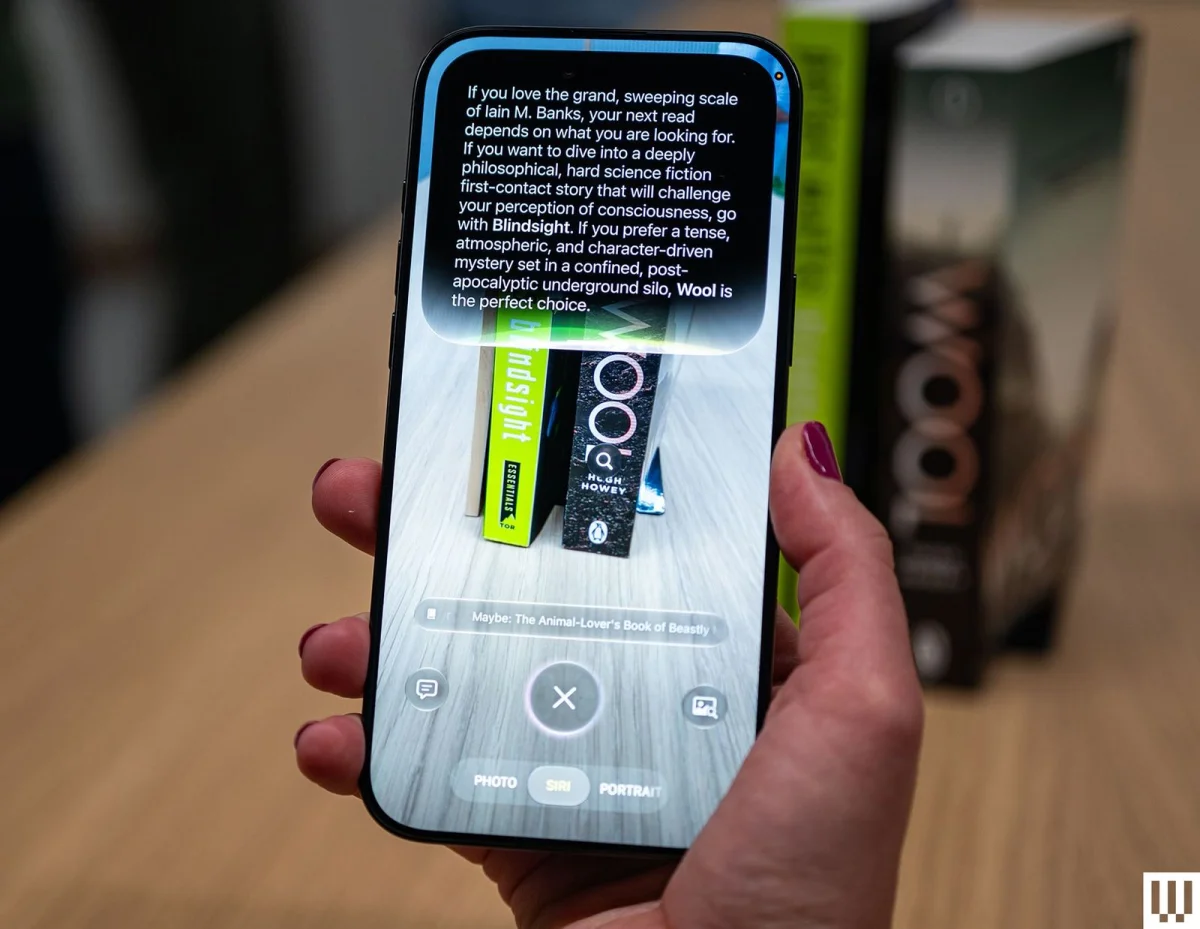 Photograph: Julian Chokkattu
The new Siri appears as a glass orb and can draw on personal details in messages, email, and photos to help draft a note or suggest a wine pairing. It can also surface in the camera app to help you pick a book or split a bill. Those features make personal context the real test: [how Siri handles it](https://www.wired.com/story/my-brief-summer-fling-with-siri-ai/) will matter as much as the new interface, and Apple is also bringing Siri into [camera tasks](https://www.wired.com/story/apples-iphone-camera-app-is-getting-an-ai-upgrade-in-ios-27/).
Apple says app launches are up to 30 percent faster, newly taken photos load in the library up to 70 percent faster, and AirDrop transfers finish up to 80 percent faster. Those are company figures; the [iOS 27 guide](https://www.wired.com/story/top-new-features-in-apple-ios-27-and-ipados-27-launching-september-14/) has more on the features and installation.
Pick a charger to match the phone
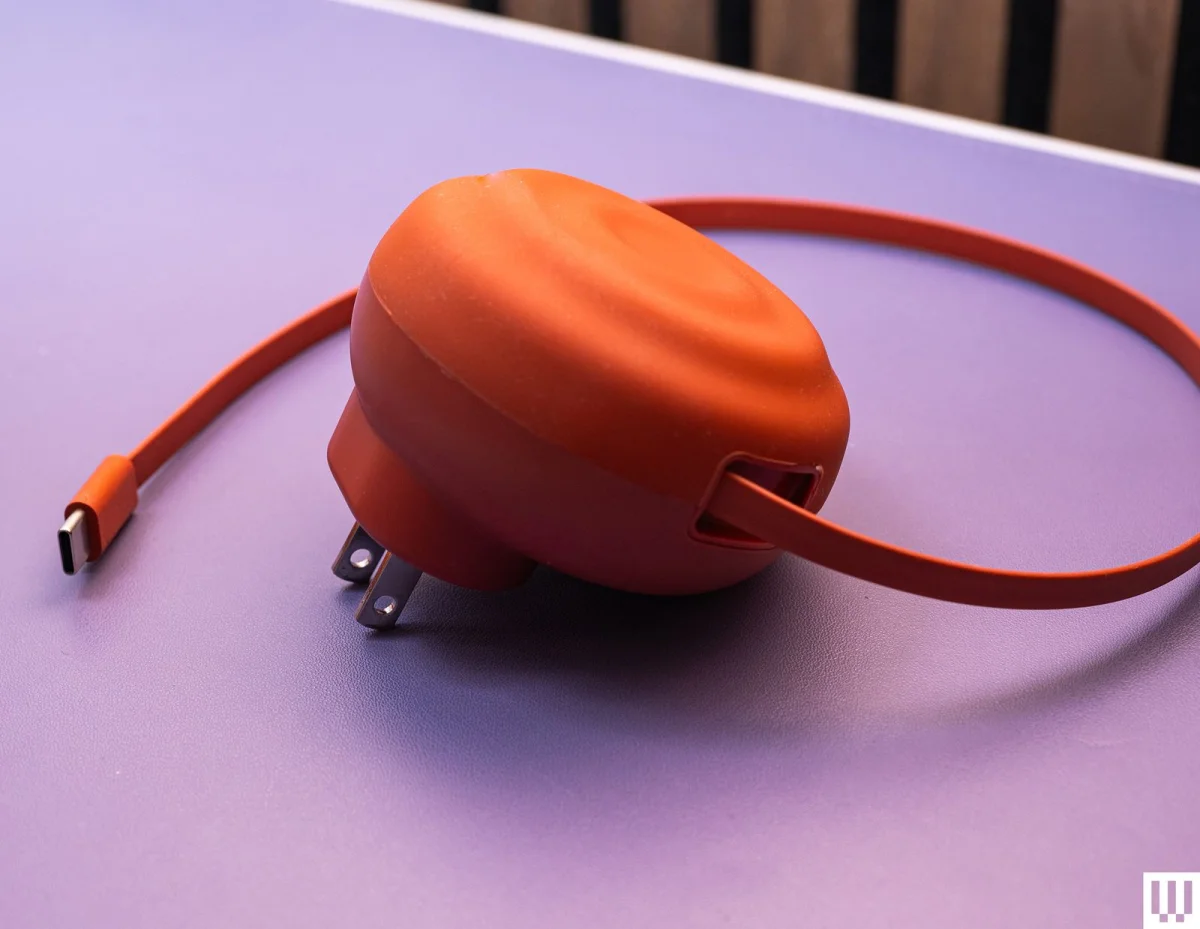 Photograph: Julian Chokkattu
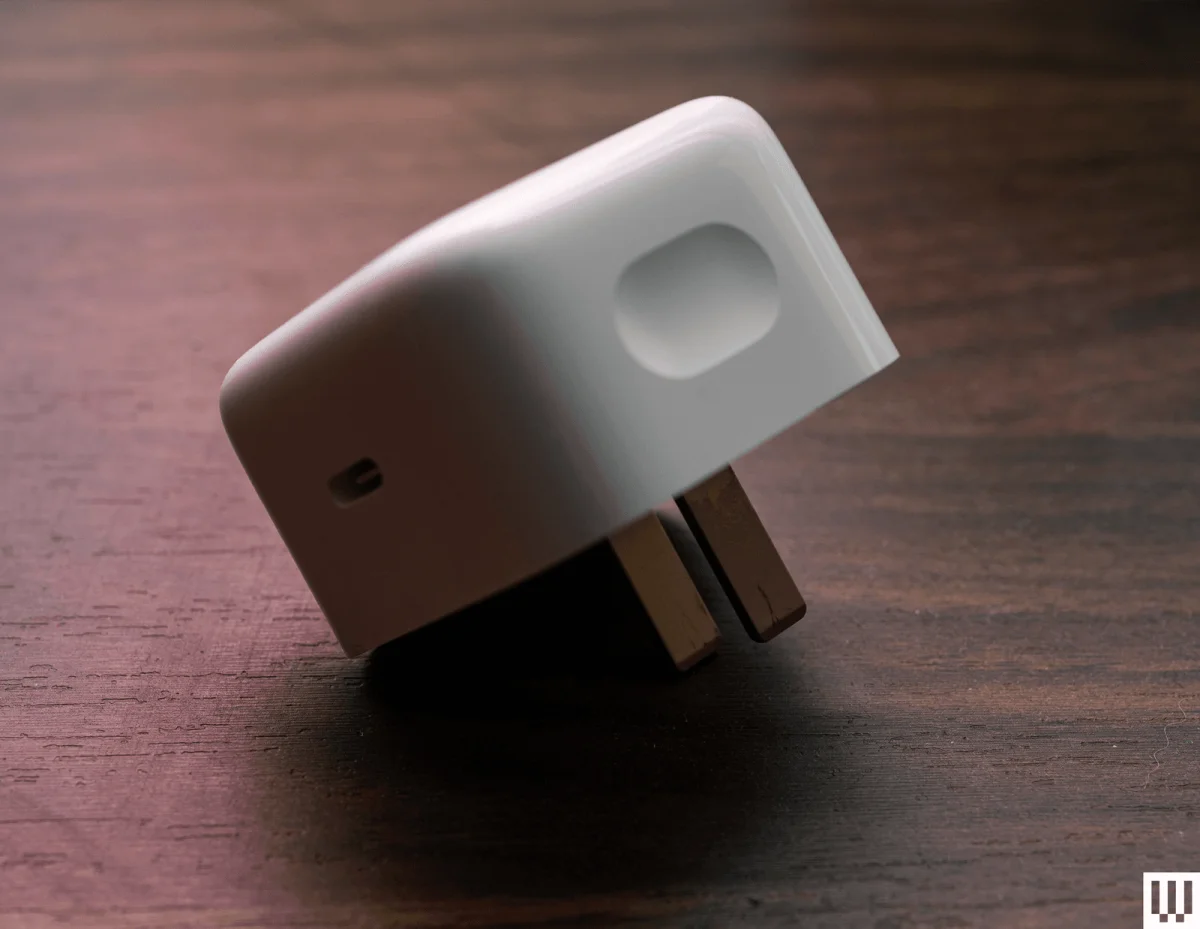
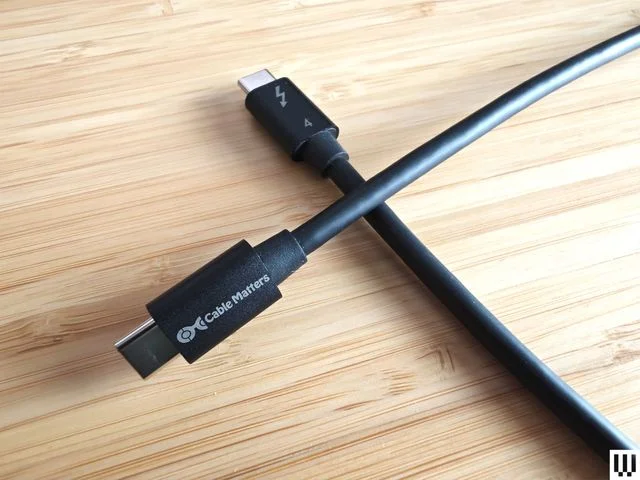
Apple has left the charging brick out of the box since the iPhone 12. Most of the recommended options below deliver 30 watts, enough to fast-charge most iPhones; the iPhone 18 models need 40 watts for their fastest charging.
- [Anker 511 Nano 3 30-Watt Charger](https://cna.st/affiliate-link/B3TtCQX4Kz5FuM9NiAL4VXqmxHPf5vgFQruMZpxxoT8hLM7JQ63gBuGykrL2wAXLVQmP2ksTmnzSrTrkUoNubQbxE2Dd3RPYziLzkdivF2xDk3edmc6Yhf8QTfbgcsV9jCgVhbxMUWsWr3zVHUEd9Rkq5PGSfSZjMEfx38Db5L56SWZEhWHaFrwu1vGzQxHxPaC9fAQvkX3ovuVdPi5k3ynFs9YELH5yZ5nndwLTuqW4W8kZxHZna73U4WfpW2GLYwTg2rjmt1savXY5ufEU88Wy9KG9yyg3tJ3RJBmZ49a7aJQGXrUJRRcY6Gdt44K4faLTUyCKWLhGGDBZREDNtXf89cLaj8A) — $16. Tiny, inexpensive, available in several colors, with folding prongs.
- [Counterpart The Charger](https://cna.st/affiliate-link/3GxwCCDhdURyr1wTfnAJZHxTVqaEAGnbXnHr4p7nino9gjAarBfDWCqw6QQoCpUGJLVTmiuH6BrD9qEvcLLdoiDrDMqGjbyuiQr8c4f4c5sHbGfSpBLUoUC645fsJhfqZKYiqqYMUuancndUqLxyQ2Y8rfKbaJbXZqzuHL9CYH3UMK3MEkgE92zuK5vkxmyZkEeL439huJtiParDnpxEbc5x18CjjXZ8JR4auF8au5XWMiNyKF1UW6kDcf2ze74eGtWuemdHUsDg22deCP25GxYTap9z9qWTKs8xkBFJuK4ZEicgLaD7fDWTxoY3PD79pnH7Ttxa2q7J2LDZdbPFw1JiDNosVY) — $44. Its retractable USB-C cable extends up to four feet, the prongs fold away, and its 35-watt output can fast-charge most iPhones and iPads. It can recharge a MacBook, though a MacBook Pro needs more power.