Mattress Types Explained: Foam, Latex, Hybrid, Innerspring and Smart Beds
Compare five mattress types by feel, support, heat and motion, plus practical advice on delivery, care and choosing a bed.
Mattress construction shapes how a bed feels, how it responds when you move, and how much heat it holds. Memory foam contours closely; latex feels springier; hybrids pair cushioning layers with coils. Those differences can help narrow a crowded market, but the material alone won’t tell you whether a mattress suits your sleeping position, temperature preferences or partner.
This guide compares five common designs: hybrid, innerspring, memory foam, latex and smart beds. It also covers the practical questions that come with buying one, from boxed delivery and expansion time to foundations and replacement. The recommendations and product examples below come from mattress testing described by the source, alongside comments from John Merwin, CEO of 3Z Brands and founder of Brooklyn Bedding.
Start with feel, position and temperature
Think first about whether you prefer to sink into a mattress or rest more on top of it. Memory foam tends to hug the body, while latex responds more quickly as you shift position. Hybrids can fall anywhere between those sensations: their feel depends on the comfort layers above the coils and on the coil system itself.
Your sleeping position is another useful guide. Side sleepers often want enough cushioning to ease pressure around the shoulders and hips. Back sleepers usually need both cushioning and support. Stomach sleepers often prefer a firmer surface that limits sinking around the middle of the body. These are starting points; individual comfort varies, and a mattress that feels supportive in a showroom may feel different after a full night.
Temperature can help distinguish materials, too. Latex and many hybrids allow more airflow than memory foam, which can retain heat. Some foam mattresses use gel, graphite, copper or phase-change materials intended to draw heat away from the body. Those additions may change the feel, so it’s still useful to check a mattress through a trial period when one is available.
For people sharing a bed, consider how much motion reaches the other side. Memory foam absorbs movement well. Individually wrapped coils can add bounce while reducing the spread of motion compared with connected coils. Traditional innersprings tend to be livelier across the whole surface. When partners want different firmness levels, a split mattress or an adjustable smart bed may offer separate settings.
Hybrid: cushioning over a coil core
Hybrids combine foam or latex comfort layers with a coil support system. Some use foam with coils, some use latex with coils, and some combine several materials. That mix can provide pressure relief at the surface while retaining the support and quicker response associated with coils. The result varies considerably by model, so “hybrid” describes a construction, not one fixed feel.
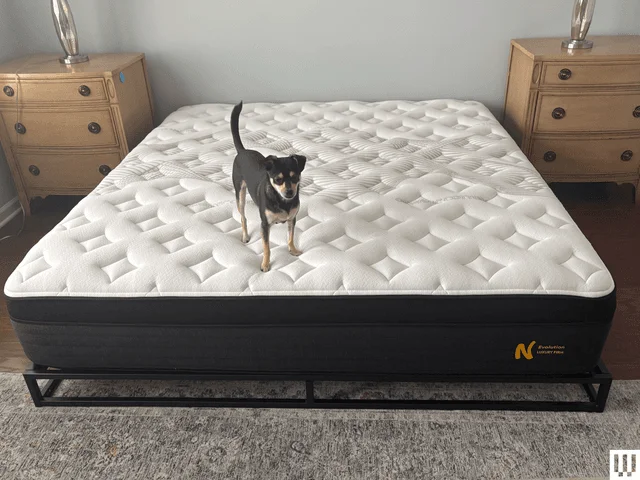
Look for pocketed or individually wrapped coils when motion control matters. Each coil sits in its own fabric pocket and can compress more independently than coils wired together. That lets the mattress respond to pressure in different areas, including around the hips and shoulders. It can also limit how much movement travels across the bed when one person shifts position.
Traditional connected coils work as a unit, so movement can spread farther across the mattress. Pocketed coils are designed to reduce that transfer while maintaining responsiveness. They don’t make every hybrid feel the same: the amount and type of foam or latex above them, as well as the coil design, still affect support, bounce and pressure relief.
A hybrid generally doesn’t need a box spring. Many are designed for a platform bed, slatted frame or adjustable base, but the manufacturer’s foundation instructions matter. The wrong support can affect performance and may affect warranty coverage, so check the requirements before setting up the bed.
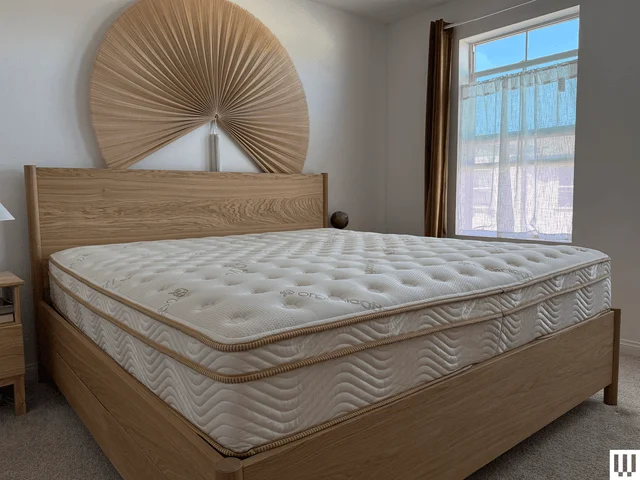
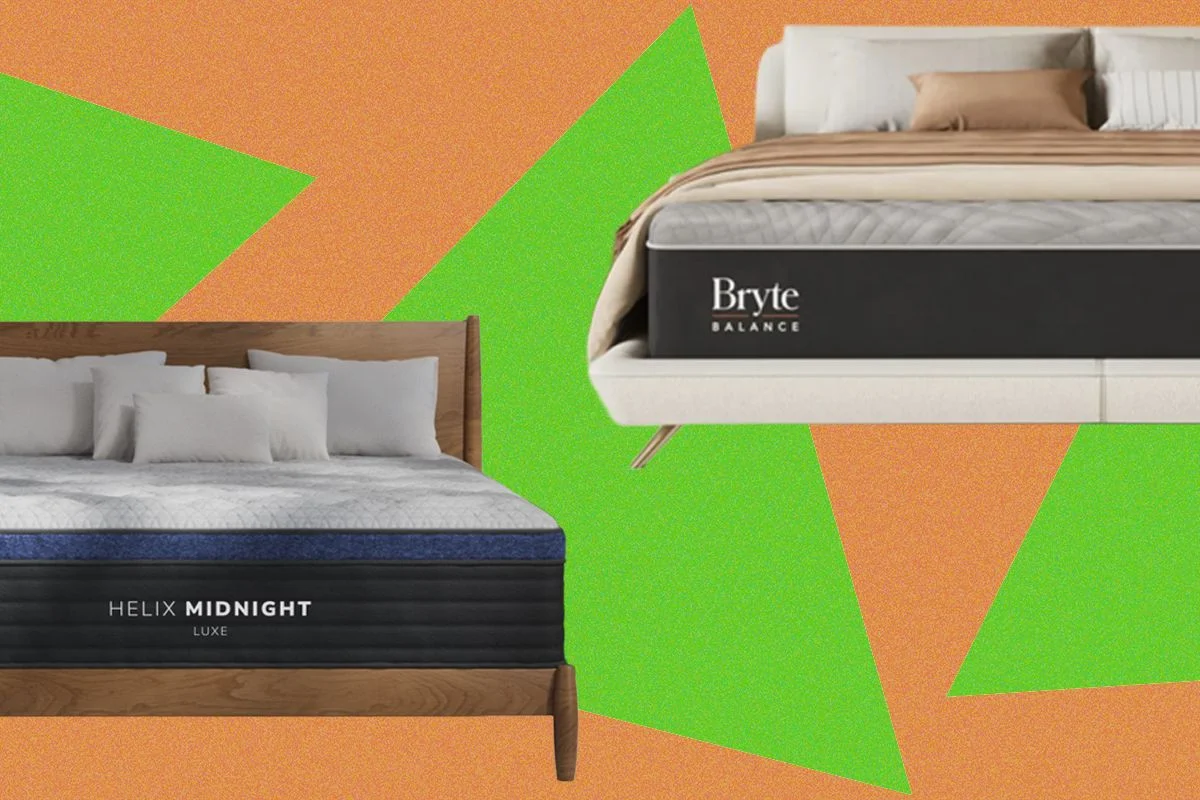
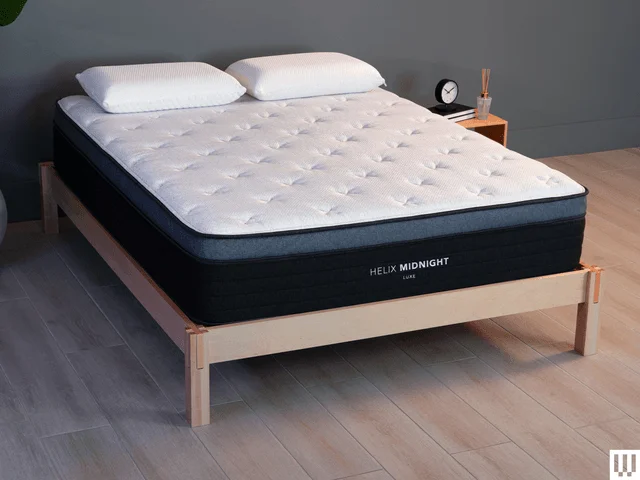
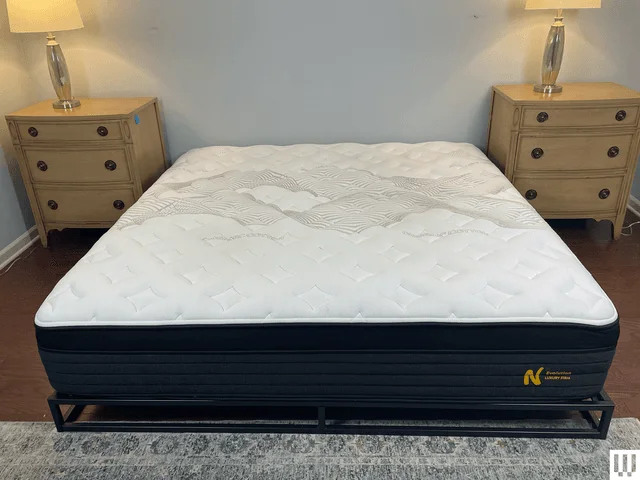
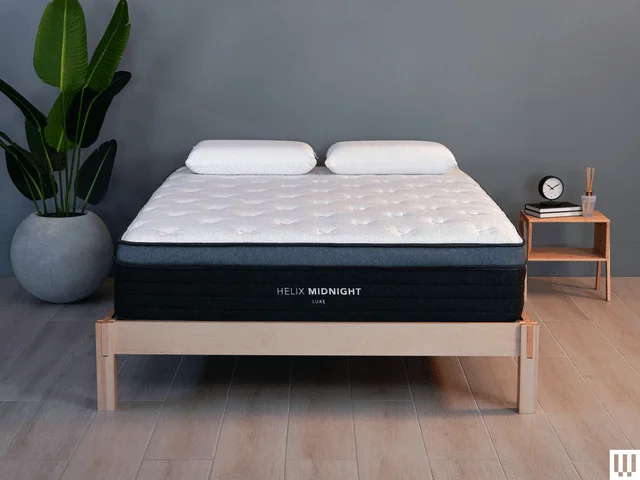
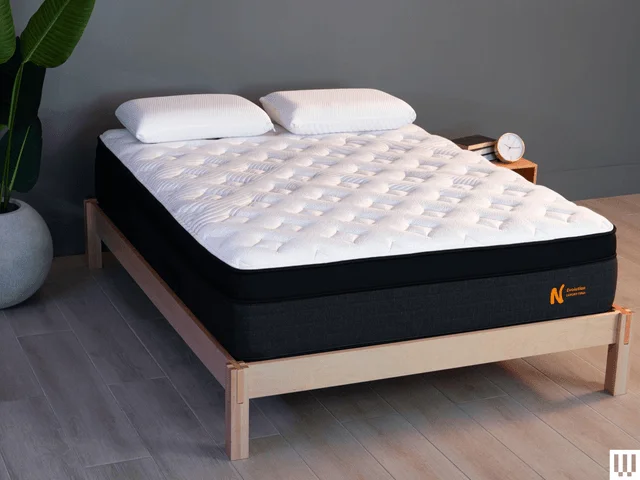
The tested Helix Midnight Luxe with ErgoAlign is highlighted as a top overall pick. Its pressure-relieving foam and pocketed coils are intended to provide targeted lumbar support. The Nolah Evolution is another example: its foam and pocketed-coil layers aim to ease pressure, and its responsive feel can make changing positions easier. The source describes it as a good option for side sleepers and says it can also suit back and stomach sleepers.
Innerspring: the bounciest traditional design
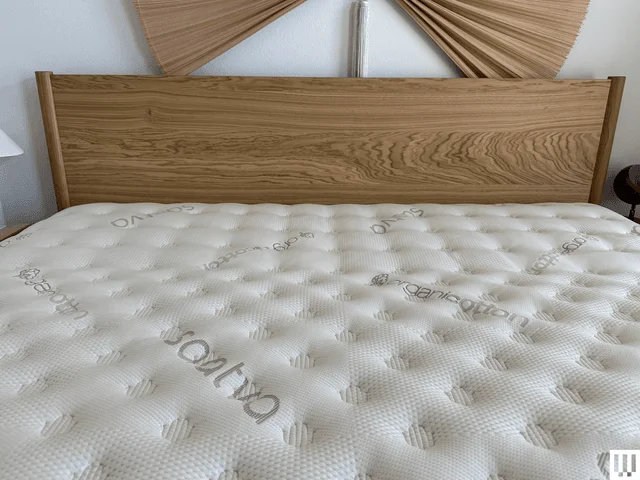
A classic innerspring mattress uses connected coils beneath a cover. Many traditional models use Bonnell coils, linked laterally and vertically so they compress together under load. This construction tends to feel firm and responsive: the coils spring back quickly as you move, which can help people who change sleeping positions during the night.
The trade-off is that connected coils offer less localized response than pocketed coils. They can also transmit motion more readily across the bed, and the mattresses may squeak. That helps explain why many newer coil beds use pocketed systems and add foam or latex comfort layers, becoming hybrids rather than simple innersprings.
Merwin says pocketed coils respond independently to movement and pressure. In his description, the design reduces motion transfer and can provide more targeted support that contours to the body. Traditional innerspring models are still available, but the source describes them as increasingly uncommon compared with hybrids.
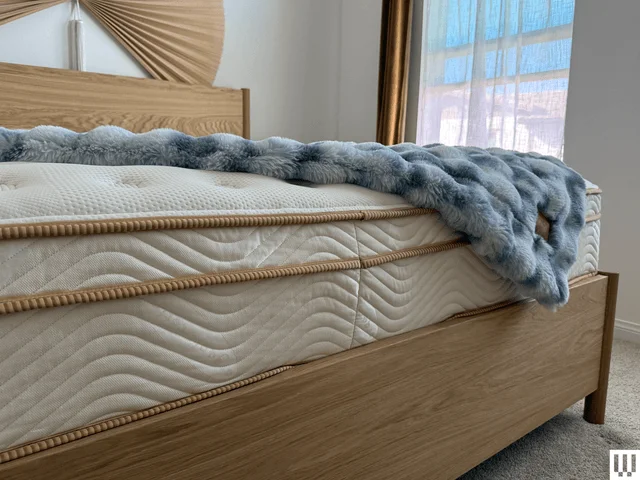
The Saatva Classic is a modern example that retains traditional coils in its lower coil layer, where they contribute to support and durability. The source notes that WIRED tester Nena Farrell considered its construction potentially useful for people with back pain. That observation is a reviewer’s assessment, not a guarantee that a particular mattress will address an individual’s pain.
Memory foam: close contouring, with heat as a consideration
Memory foam is known for its slow, close contouring and pressure relief. The source traces its origins to foam developed for cushioning astronauts and notes that Tempur-Pedic brought the material into sleep products in the 1980s. Mattress makers now use many variations, but the central sensation remains a surface that yields to the body rather than pushing back immediately.
Merwin describes memory foam as polyurethane combined with chemicals that alter its viscosity and density. The resulting foam contains tiny air pockets. Heat and pressure soften the material, allowing it to conform to the body. In manufacturing, liquid foam expands and solidifies into large blocks that are later used in mattresses.
That close contouring can ease pressure and absorb motion, which may appeal to couples when one person moves around. The same construction can retain heat. Some sleepers find that a warm surface makes the mattress uncomfortable, so cooling features may be worth considering. Brands may add gel, graphite, copper or phase-change materials, though the source doesn’t claim these features eliminate heat for every sleeper.
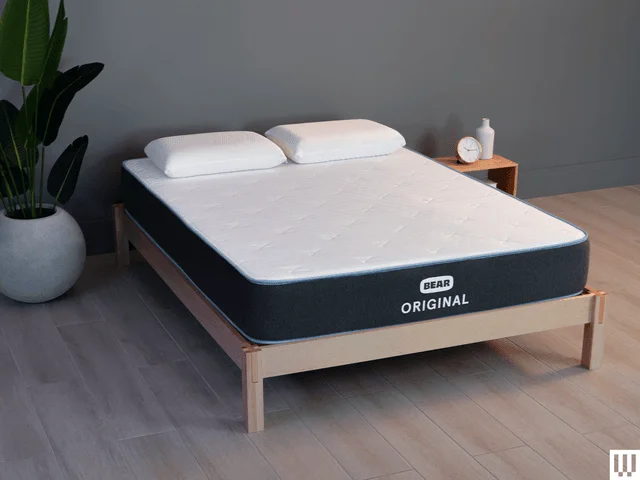
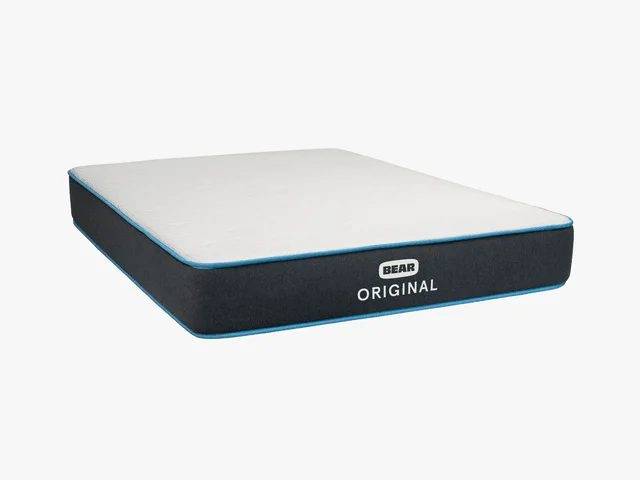
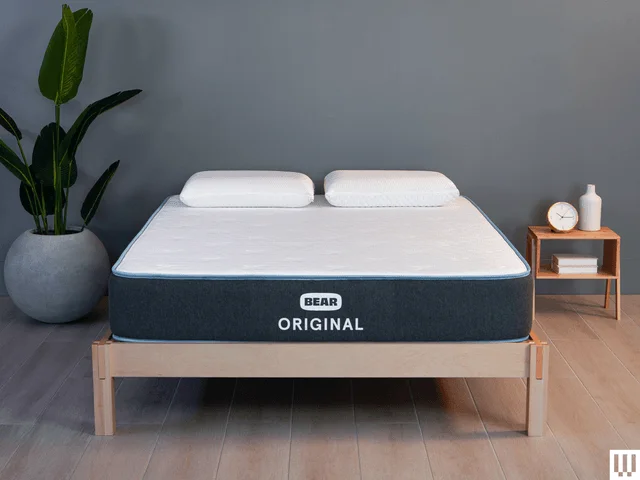
The Bear Original is a three-layer foam mattress with a cooling cover option. The source points to its CertiPUR-US and GreenGuard Gold certifications and says shoppers can add a Celliant cover. Certifications can help buyers assess emissions and materials; they don’t determine whether the mattress’s feel is right for them.
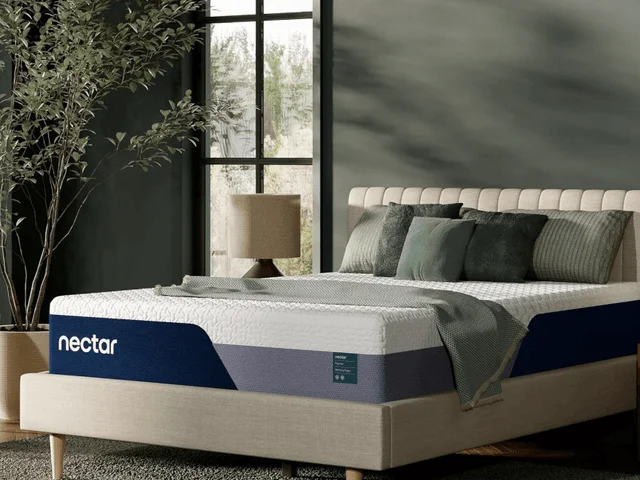
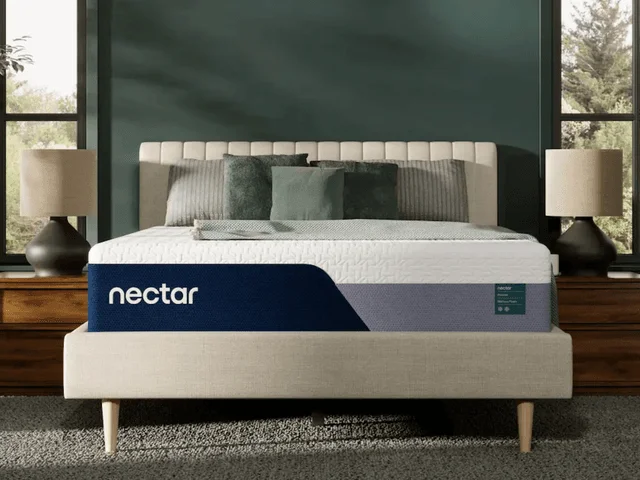
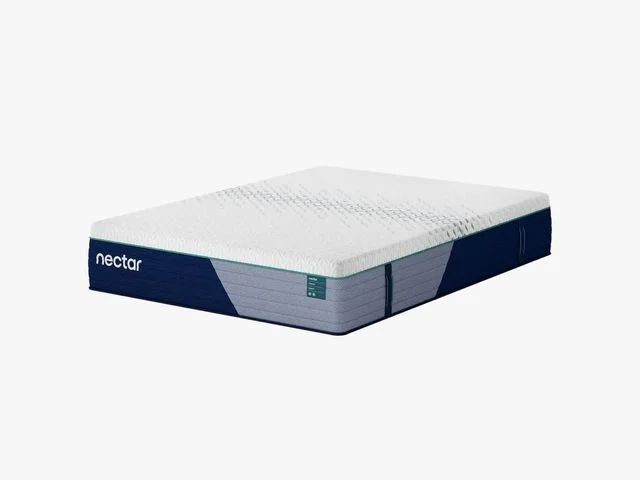
The Nectar Premier is another tested foam option described as especially suitable for side sleepers. Its upper layers provide cushioning, while a firmer lower foam layer supplies support. This illustrates how layers within the same mattress can balance a plush surface with a more stable base.
Latex: springy response and a cooler feel
Latex foam offers pressure relief with a quicker, springier response than memory foam. It compresses under the body and returns to shape promptly, which can make it easier to change positions. The source also describes latex as less prone to accumulating heat, making it a potential option for people who sleep warm.
Mattress latex is often made from rubber sap. Two common forms are Dunlop and Talalay, names that refer to how the material is processed. The source characterizes Dunlop as firmer and Talalay as plusher. The production process includes heating the latex to set it, a step known as vulcanization, followed by rapid cooling.
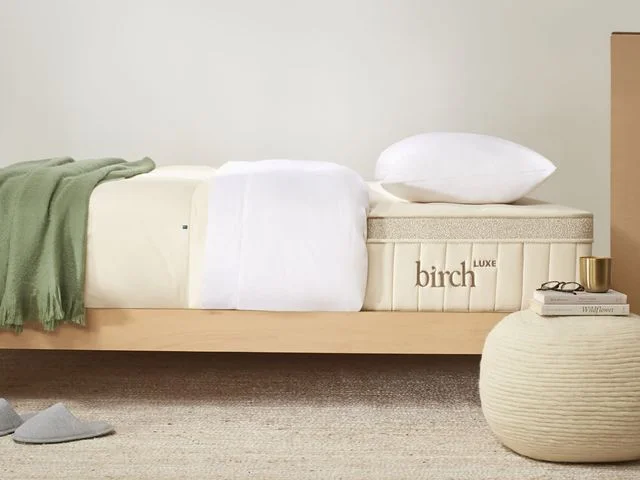
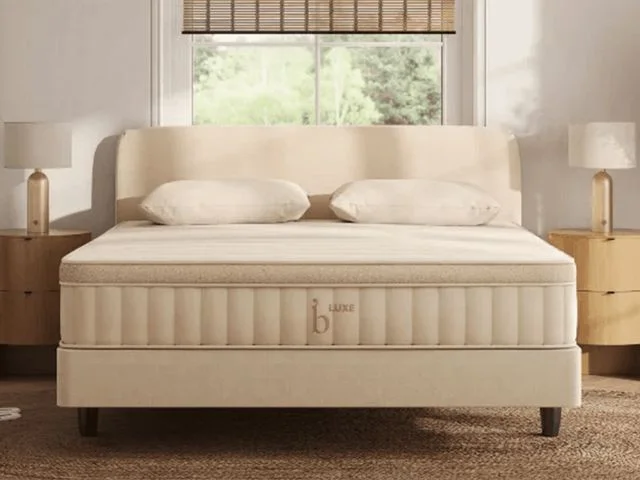
The Birch Luxe Natural is cited for its organic latex construction. WIRED reviewer Scott Gilbertson praised its lower-back support and temperature regulation. As with other materials, the label alone won’t predict the exact feel: construction and firmness still matter, so shoppers should check the model’s specifications and, where possible, try it.
Smart beds: adjustable firmness and added features
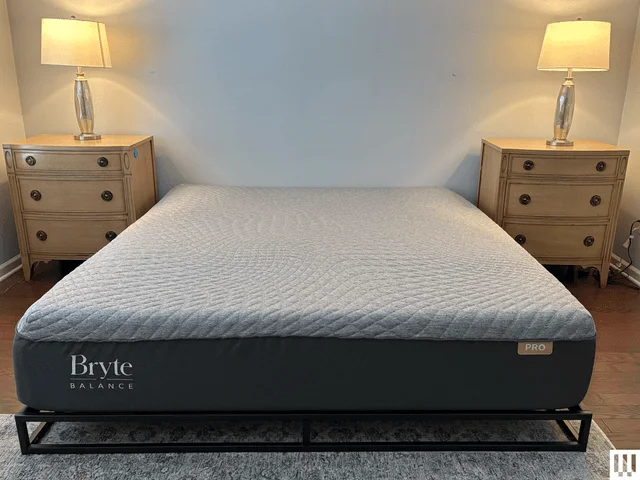
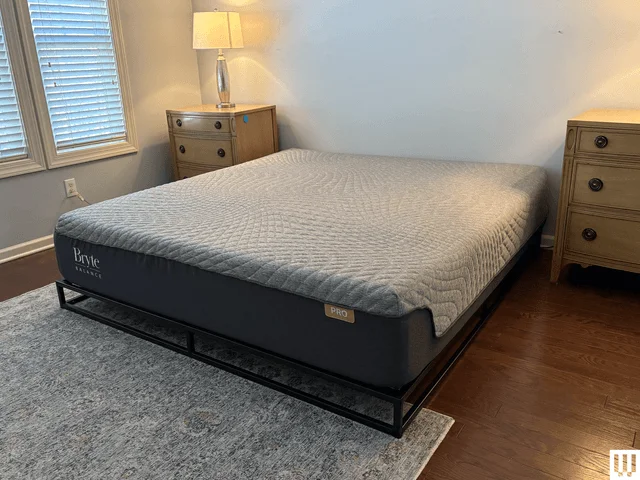
Smart mattresses can change firmness through internal air chambers or systems that adjust coil firmness. A remote or companion app lets sleepers change settings. Some models also include sleep tracking or massage functions; the Bryte Balance Pro is one example named in the source.
These features can be useful when partners prefer different firmness levels, particularly if each side can be adjusted independently. But the mattress’s flexibility is only part of the purchase. Smart beds often rely on an adjustable base that raises or lowers the head and foot, and that base can add substantially to the cost. Check whether it is included and whether the mattress works with the base you plan to use.
Buying and care questions
Does boxed delivery affect a mattress?
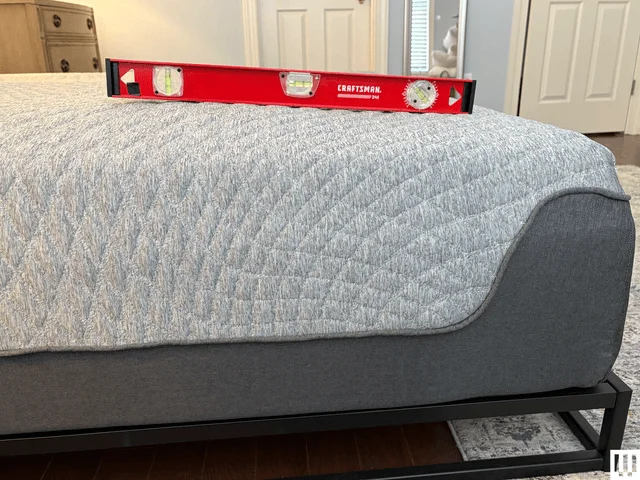
There isn’t one rule for every mattress. Some products are designed to arrive fully set up, while others are built to be compressed, boxed and shipped. The source notes that some Saatva and Tempur-Pedic models shouldn’t be compressed, while products from 3Z Brands, including Nolah, Leesa and Helix, are designed to withstand compression.
Follow the maker’s instructions for timing. Boxed mattresses should generally be unwrapped within the specified window, often around 30 days. After unboxing, allow at least 24 hours for the bed to expand when the instructions call for it. Some mattresses are usable sooner; others may take hours or days to reach their full height. The model’s guidance is the best reference.
What is off-gassing?
A newly opened mattress may have a chemical odor from volatile organic compounds released by foam and from adhesives used to join layers. Certifications such as CertiPUR-US and GreenGuard Gold can help shoppers check emissions. Airing the mattress in a well-ventilated room for a day or two is a practical step before sleeping on it.
Which foundation should you use?
Many modern foam and hybrid mattresses are made for a solid platform, slatted frame or adjustable base. A traditional box spring contains springs and was designed for older innerspring beds. Because support requirements differ, confirm the approved foundation with the mattress maker; a mismatched base may affect the bed’s performance or warranty.
How long should a mattress last?
The source gives a typical lifespan of about seven to 10 years with appropriate care. Construction, materials and how heavily the bed is used all affect its useful life. Visible sagging, lumps or lasting indentations can signal wear. New aches after sleep may also be a reason to reassess the mattress, though they don’t establish the cause on their own.
Can a topper fix a mattress that feels wrong?
A topper adds a thick layer of cushioning and can make a bed feel softer or firmer. It may be worth considering when the mattress remains in good condition but needs a modest change in feel. It won’t correct a worn-out support core or permanent sagging.
Should you flip or rotate your mattress?
Many modern beds have layers arranged for one sleeping surface, so flipping them can put the construction in the wrong order. Rotating the mattress from head to foot may spread wear, but some models don’t need it. Follow the maker’s instructions for both rotation and flipping.
Will any mattress work on an adjustable base?
No. A mattress must be designed to bend safely with the base. Check its specifications before using it this way, especially if the bed has a thick or rigid construction.
Make the choice testable
Construction gives you a useful first filter: memory foam for close contouring and motion absorption; latex for springier response; coils for bounce; and hybrids for a mix of cushioning and support. Smart beds add adjustable settings, with a base often needed to access their full range of movement. None of those labels replaces a close look at firmness, layer design and the way a mattress feels under your own body.
If you can, try materials in person to compare latex’s quick rebound with memory foam’s slower contouring. Online sleep trials offer another way to assess a mattress at home. Check the trial terms, delivery instructions and foundation requirements before buying; those details shape whether a promising design works in your bedroom.
The most useful next step is to shortlist a few mattresses by feel, sleeping position, temperature and motion needs, then compare their construction and trial options. That turns mattress shopping from a choice between material names into a test of how a specific bed performs for you.