TSMC Halts Steel Hoisting at Kaohsiung 2nm Fab Site After Construction Accident
A suspected failed connection bolt halted steel hoisting at TSMC’s Fab 22 project as the cause and schedule impact remain unclear.
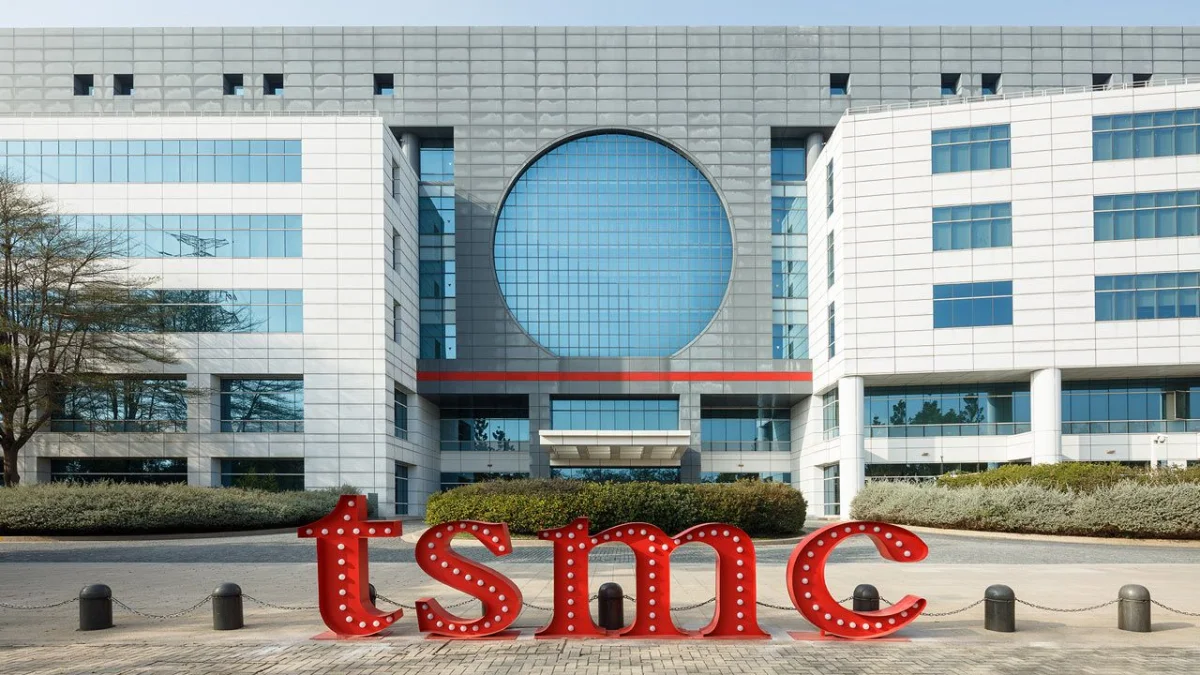
A suspected failure in a steel connection halted hoisting work at TSMC’s Fab 22 construction project in Kaohsiung, Taiwan, after four contract workers fell with steel components. Three workers died and the fourth was taken to intensive care. The cause has not been confirmed, and TSMC has not said whether the incident will affect the project schedule.
The accident happened during work on the fourth phase of the five-phase complex. The Southern Taiwan Science Park (STSP) Bureau suspects that a bolt on a connection plate gave way during steel structure installation. Local accounts describe the workers welding a beam on an upper floor when it fell. The accounts differ on the immediate activity, so the bolt failure remains a suspected cause rather than a settled finding.
Work paused as the cause is examined
Steel hoisting at the site has stopped, and STSP labor inspectors have been sent to examine the incident. TSMC also stopped related construction work and said it was coordinating with the relevant authorities while overseeing its subcontractor’s follow-up. The company said the affected area was within the contractor’s work scope.
Emergency responders sent 10 vehicles and 22 personnel to the site. Medical staff at the scene provided first aid, and all four workers were taken to hospital. Three died despite resuscitation efforts; the surviving worker was moved to intensive care. The workers were employed by a contractor involved in Phase 4 construction.
Findings from the inquiry will clarify how the connection failed and whether safety rules were breached. The source says any penalties would be considered under Taiwan’s Occupational Safety and Health Act, but it does not provide a timetable for the findings or for restarting steel hoisting. TSMC has not given a schedule update.
A large expansion under construction
Fab 22 is in Kaohsiung’s Nanzi District, within the Southern Taiwan Science Park. The complex is being built to support TSMC’s 2nm production. TSMC began high-volume manufacturing of its N2 process in the fourth quarter of 2025, including at Fab 22, but the accident occurred in the construction area, not in a producing fab.
The project has five phases, and TSMC puts the total investment at more than NT$1.5 trillion, or about $46 billion. Kaohsiung’s deputy mayor said Phase 4 construction began in August 2025, with operations expected to start in the fourth quarter of 2027. That target is an expectation, not a new schedule commitment from TSMC after the accident.
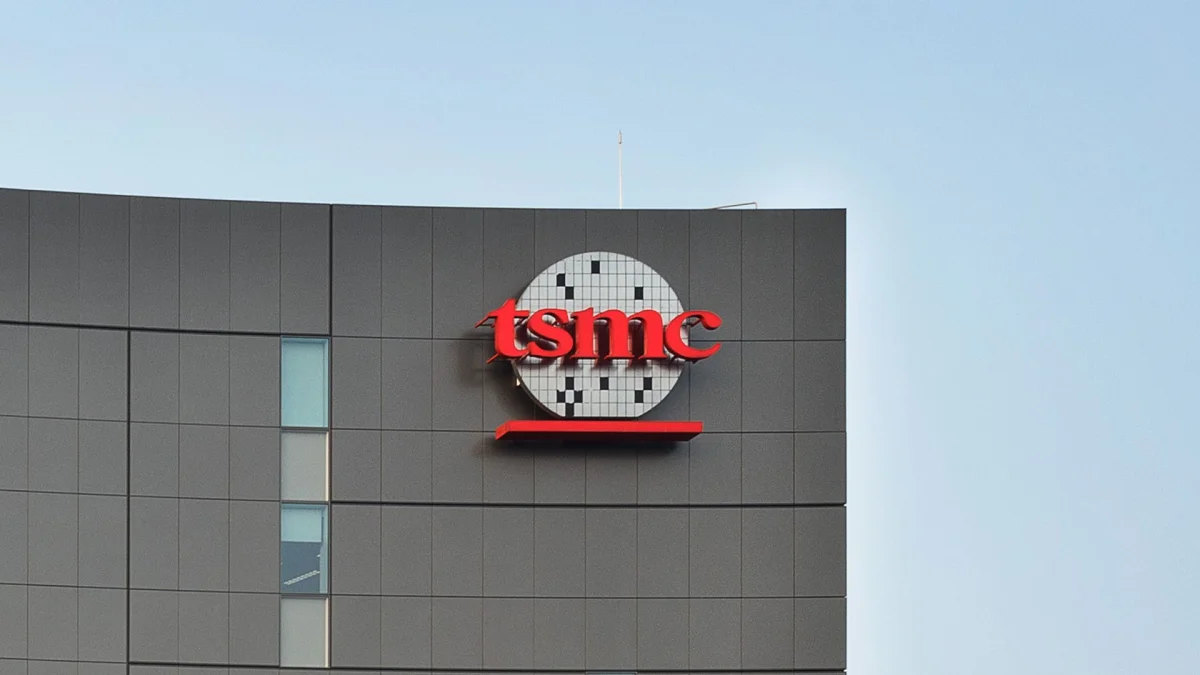
- Analyzing TSMC's fab expansion roadmap — multi-fab N2 ramp, CoWoS, SoIC, and uncorking bottlenecks
- Leading-edge foundry roadmaps for TSMC, Intel, and Samsung
- ASML's roadmap for chipmaking lithography tools examined
- Chinese chipmaking tool roadmaps examined
Construction pace raises the supervision challenge
The incident comes amid a faster buildout. Business Today says TSMC’s fab construction rate rose from four fabs a year during 2017–2024 to nine a year in 2025 and 2026. The company is also planning 13 new leading-edge and advanced-packaging fabs in Taiwan, while its capital expenditure for the year is stated as $60 billion to $64 billion.
More simultaneous work can put pressure on coordination between contractors, crews and overlapping construction tasks. TSMC has responded by giving contractor safety records more weight in selection and planning a Taiwan Semiconductor Construction Engineering Safety Association with construction partners. Those steps show the company is trying to address site risk across a growing build program; their effect will need to be judged against future injury data and the findings from this incident.
Cliff Hou, TSMC senior vice president and deputy co-COO, told Business Today that a larger workforce and overlapping projects had increased risk and required closer supervision. The publication said that, as of late May, TSMC’s contractor lost-time injury rate had fallen about 42% from its high the previous year. That figure describes a broader safety measure; it does not establish what happened at the connection plate in this case.
TSMC Chairman C.C. Wei said at the previous year’s shareholders meeting that safety could not be compromised. The recent deaths make the gap between that commitment and the hazards of fast-moving site work a practical question for contractors and project supervisors.
The immediate next steps are clearer findings on the failed connection and a decision on when steel hoisting can resume. Until those details are available, neither the cause nor any effect on Phase 4’s expected 2027 operations can be established. TSMC’s broader expansion makes the outcome relevant beyond one worksite: how it adjusts supervision and contractor practices will matter as more projects run at once.


