Samsung and SK Hynix Target Higher-Layer NAND at Chinese Plants
Samsung aims for 286-layer NAND at Xi’an, while SK Hynix plans 240-layer chips in Dalian as AI demand reshapes memory production.
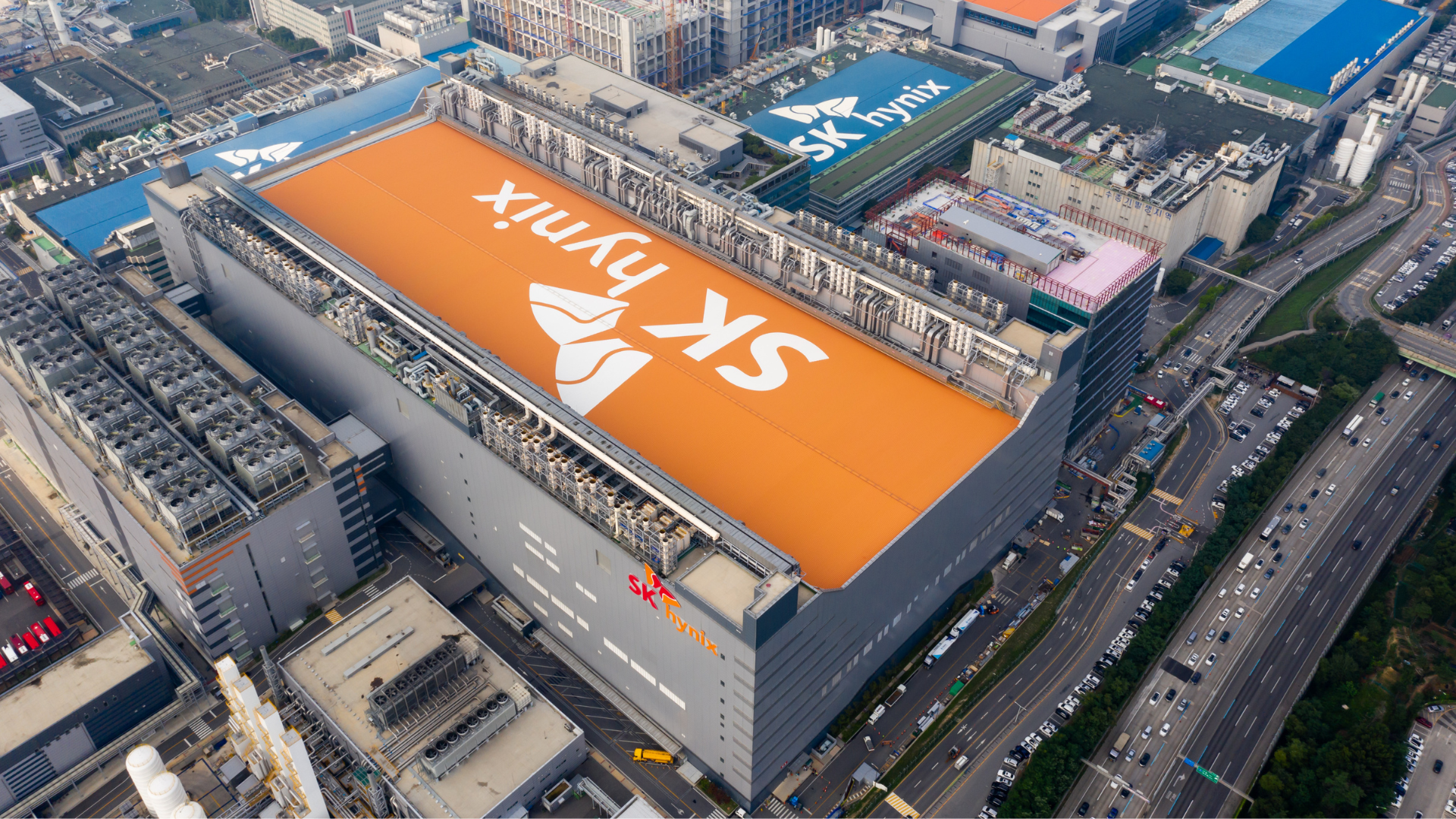
Samsung Electronics and SK Hynix are preparing upgrades at their Chinese factories to make higher-layer NAND flash chips, a shift that could help them serve growing demand from AI data centers while defending their positions against Chinese memory makers. The plans, reported by Reuters based on people familiar with the companies’ plans, point to a broader change in memory production: manufacturers are directing capacity toward advanced components as demand rises, even when that means cutting output aimed at consumer markets.
The targets are specific, but the timelines differ. Samsung reportedly wants to convert its Xi’an plant to 286-layer flash production by the end of the year. SK Hynix is aiming for chips with at least 240 layers at its Dalian facility, though the schedule for that upgrade hasn’t been reported.
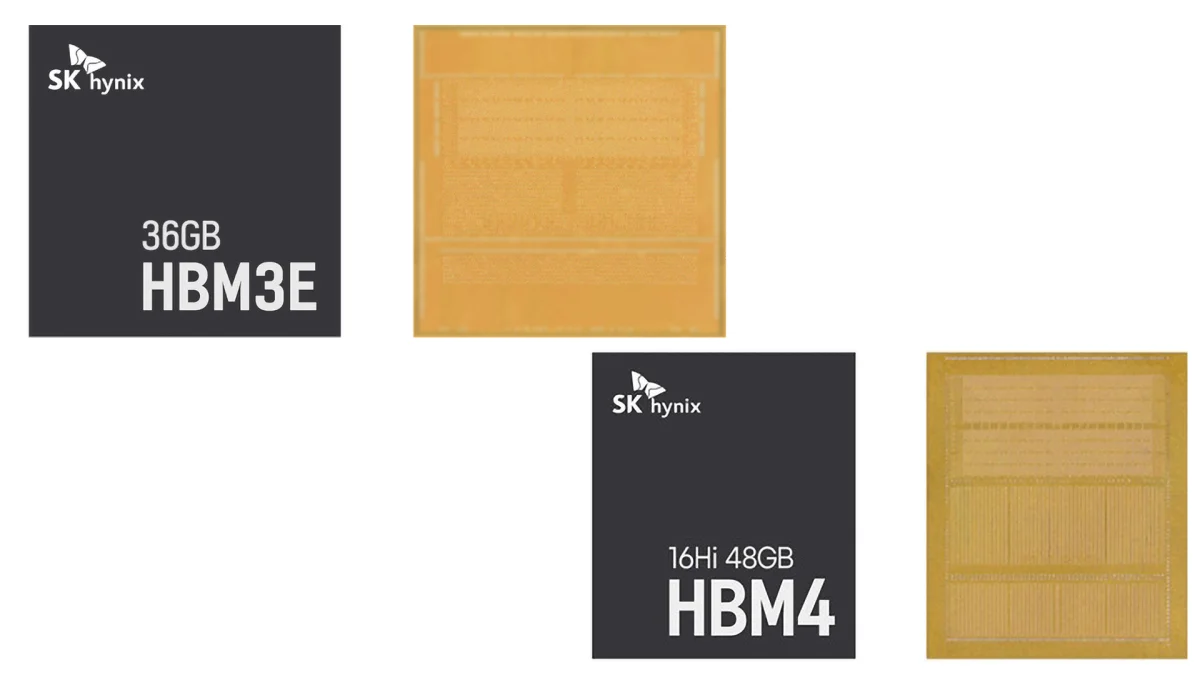
Layer count provides a useful measure of the generation of 3D NAND being produced, but it doesn’t by itself establish how much usable memory a chip offers or how well it performs. Those details aren’t provided in the report. The immediate significance is production capacity: Samsung’s Xi’an factory currently makes chips at around 200 layers, while SK Hynix’s Dalian plant produces 192-layer NAND. The proposed upgrades would move both facilities to denser generations.
Xi’an carries particular weight in Samsung’s supply chain. The plant accounts for about 40% of the company’s global NAND output, making the shift there material to Samsung’s overall production mix. SK Hynix’s plan would likewise move Dalian beyond its current 192-layer process. The facility, previously owned by Intel, became part of SK Hynix in 2021.
Here’s the thing: the plants are operating in a market where production choices are being pulled toward data center demand. AI systems depend on large amounts of memory and storage, and suppliers are prioritizing products with stronger demand and higher returns. That reallocation can leave less capacity for consumer components, a shift already associated with pressure on memory and storage supply. The source doesn’t quantify how much output Samsung or SK Hynix may redirect, or how the upgrades will affect prices and availability.
Production in China also comes with equipment constraints. Rules introduced in 2022 require Samsung and SK Hynix to obtain licenses before installing U.S.-built chipmaking equipment at their Chinese sites. Both companies are South Korean, and they say they’re consulting with U.S. authorities. The added approval step could complicate or slow factory upgrades, though the report doesn’t give specific timelines for individual equipment shipments or installation decisions.
That constraint creates an opening for domestic suppliers. Yangtze Memory Technologies Co. (YMTC) told investors during a meeting related to its preparation for a public listing that it aims to become the world’s largest NAND producer by the end of 2027. The report links tighter access to equipment with the growth of Chinese memory firms, but it doesn’t establish how much of YMTC’s expansion is attributable to that factor.
CXMT, China’s largest DRAM producer, is also exploring a move into flash memory. A September 2026 report said the company was considering 3D NAND for solid-state drives. CXMT reported $22.41 billion in revenue and $11.57 billion in net profit for the first half of 2026, after years of losses. Those figures show a sharp change in its finances, but CXMT remains smaller than Samsung, SK Hynix, and Micron. Its flash plans also appear to be at an earlier stage than the factory targets described for the Korean manufacturers.
The competitive picture is therefore uneven. Samsung and SK Hynix have established NAND production at scale and are pursuing defined layer targets at major Chinese sites. Chinese companies are expanding their ambitions across DRAM and flash, while equipment licensing adds uncertainty to how quickly foreign suppliers can update factories in China. The outcome will depend on whether Samsung and SK Hynix can install the needed tools on schedule, and whether domestic makers can turn investment and research into production at a comparable scale.
For memory buyers, the key signal is that AI demand is influencing where manufacturers add capacity and which products receive priority. The reported upgrades could raise the layer generation at two important plants, but they don’t yet establish a production volume, a delivery date for SK Hynix’s transition, or a change in the wider supply balance.
Related coverage
- Samsung’s next-generation memory technologies for AI data centers
- A history of DRAM price-fixing lawsuits
- DRAM’s path from DDR5 to future chips
- High-bandwidth memory roadmap
- How SK Hynix took over Intel’s Dalian plant
- YMTC’s target for NAND production by 2027