Why Gaming Needs More AA Games and Fewer GTA-Scale Bets
GTA VI’s scale may set an alluring target, but rising costs, layoffs and long playtimes make smaller, distinctive games a more sustainable model.
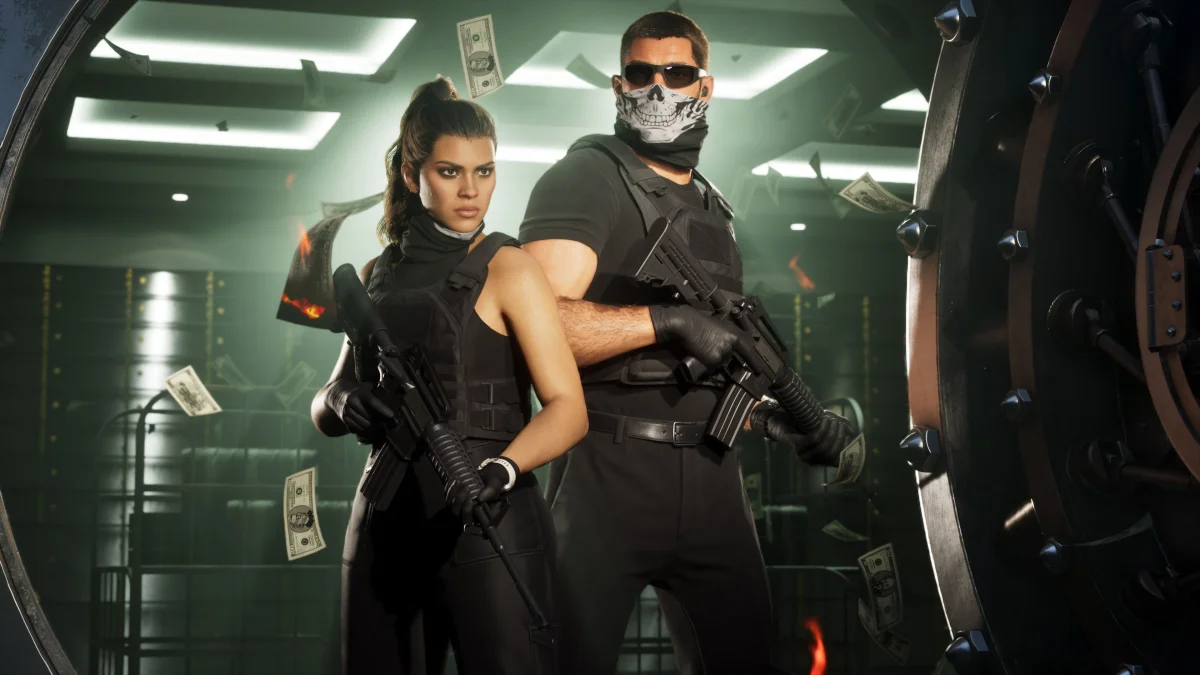
Grand Theft Auto VI is poised to be an extraordinary commercial event. After 13 years and two console generations since its predecessor, Rockstar’s sequel arrives in November with a scale and level of detail that few studios could attempt. The question for the rest of gaming is whether its success should be treated as a model to follow. My read: the industry can admire the ambition without trying to reproduce it.
Players will control Jason and Lucia, a modern-day Bonnie and Clyde, in Leonida, a Florida-inspired world with extensive wildlife and its own weather systems. The game’s scope has fueled years of anticipation, including the familiar “we got [x] before GTA 6” meme. But a map that looks almost impossibly large comes with an obvious tradeoff: building more content takes time and money, and experiencing it takes time from players.
That tradeoff matters because the economics of blockbuster development are already under strain. GTA VI’s development budget hasn’t been confirmed, and estimates of its preorder revenue vary wildly. Some claims put it between $1 billion and $4 billion. Those projections are unverified, but they help explain why publishers may be tempted to chase similarly enormous releases. Even the widely circulated $2 billion development-budget figure was debunked; the continuing revenue from Grand Theft Auto Online would also shape the business case.
Success hasn’t protected game workers
The broader industry can generate staggering sums. One estimate puts games revenue at $200 billion in 2025, ahead of the film industry’s reported $32.8 billion and the sports sector’s $174 billion. Yet recent years have brought wave after wave of layoffs, including at studios that have shipped successful games.
Battlefield 6 illustrates the gap between a hit launch and stable employment. It sold 7 million copies in three days and reportedly had a $400 million development budget. EA nevertheless cut workers across at least four studios involved in its creation. The company said the cuts would “better align our teams around what matters most to our community,” while its CEO received a reported $8 million bonus.
Other cases span the industry. Halo Studios lost 268 workers in September 2026, after Xbox announced 3,200 cuts in July as part of a broader “reset” (September update; July announcement). Ubisoft proposed voluntary departures at at least three German studios, including Düsseldorf, where teams have worked on Rainbow Six: Siege, a game with more than 100 million registered players. Smaller developers have also been hit: Refactor Games reportedly lost 85 percent of its staff after the launch of Netflix’s FIFA World Cup game, described as successful in comments about the company’s games business.
That pattern helps explain why game workers have pursued unionization. Rockstar, meanwhile, is facing a UK tribunal hearing concerning the alleged dismissal of 34 Edinburgh workers for union activity. The company says they were dismissed for sharing confidential information, a characterization the workers dispute.
More content can mean less distinction
Big budgets encourage broad appeal: the more a studio spends, the more pressure it faces to reach a large audience. But that pressure can push games toward familiar designs. Big-budget shooters can feel interchangeable; adventure games may guide players so closely that exploration loses its point. The result can be technically polished yet hard to distinguish.
Marvel’s Wolverine is one recent example. It reportedly sold 1.9 million copies in its first three days, according to analyst estimates, despite lukewarm responses from reviewers and players. Criticism focused on its linear structure and repetitive combat. Its development budget is rumored to be in the hundreds of millions, but no confirmed figure is available.
Huge worlds can also turn play into a time commitment. Assassin’s Creed Valhalla can take more than 150 hours to complete fully, with side activities spread across its carefully built medieval England (a critique of the game’s structure; an account of its settings). The environments may be impressive, but a world’s size isn’t the same as meaningful play. GTA VI’s map is reportedly three times larger than the already expansive Red Dead Redemption 2; players may reasonably ask how much of that space they’ll have time to explore.
The case for a smaller target
A more sustainable goal is the AA-scale game: an experience with room for craft and ambition, built without the expense and risk of an enormous production. That doesn’t mean every studio should make a small indie game. It means publishers could back focused projects with a clear identity and a satisfying length, rather than treating ever-larger worlds as a requirement for success.
Clair Obscur: Expedition 33 shows what that can look like. Sandfall Interactive’s debut arrived in April 2025 and found an audience with turn-based combat built around dodging and parrying, a painterly world mixing Belle Époque imagery with dark fantasy, and a story about explorers confronting death. Its production includes motion capture, an orchestral score and performances from actors Charlie Cox and Andy Serkis. The roughly 60-hour game offers substantial play without the scale of a sprawling blockbuster.
By April 2026, Clair Obscur had earned more than 500 Game of the Year awards and sold 8 million copies. Those sales are a different kind of achievement from Battlefield 6’s 7 million units in three days: Sandfall reportedly made the game for less than $10 million, with a small development team. Other examples of distinctive games with a more focused scale include Supergiant’s Hades games, AdHoc Studio’s Dispatch and Mintrocket’s Dave the Diver.
Smaller projects may also reach more players when hardware is expensive or hard to obtain. A memory shortage has contributed to higher console prices, delayed hardware cycles and limited supplies of powerful graphics cards. That leaves many players unable to run the most demanding releases. Final Fantasy VII Revelation director Naoki Hamaguchi, whose work includes large projects with long development cycles, has argued that players won’t necessarily move quickly to each new console generation. He expects games to keep supporting lower-spec devices such as the Steam Deck and Nintendo Switch 2, and says competition will increasingly depend on design.
There’s a financing problem: developers are already trying smaller projects, but some struggle to attract investment. Money follows the apparent promise of blockbuster returns, even as large productions carry high costs and expose workers to instability. Rockstar veteran Phil Hooker has said the tools, engine and team developed for GTA VI should help the studio work faster in the future, in an interview with Bloomberg. That may shorten the wait for a sequel, but the broader lesson is about production choices: a hit can set expectations for the whole industry without proving that every studio should build at the same scale. The next durable success may come from a game that gives players a distinct experience and a clear reason to finish it.
===END===

