Goldmund’s $240,000 Mimesis Statement Preamplifier Uses Three Chassis
Goldmund’s flagship preamp costs $240,000 and splits its electronics and power supplies across three chassis. The complete demo system cost $1.482 million.
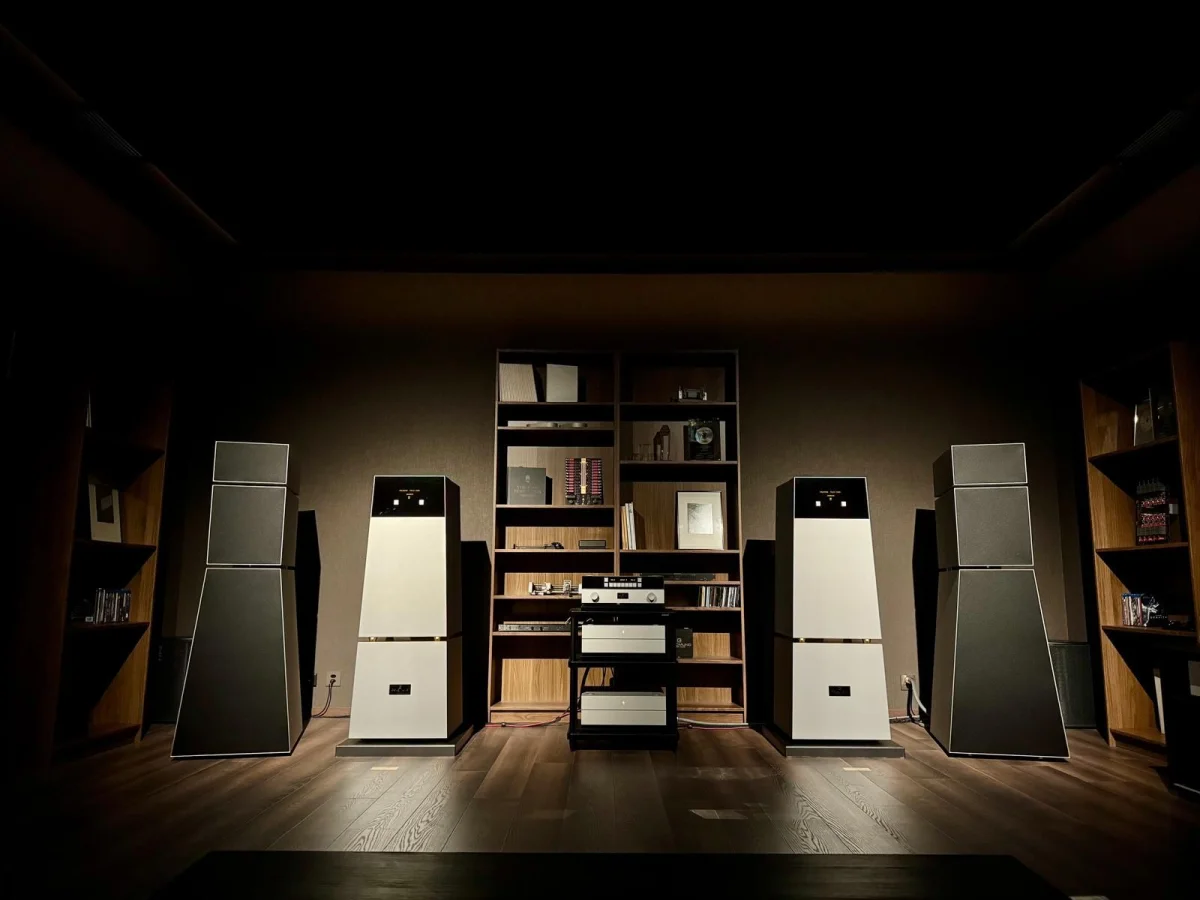
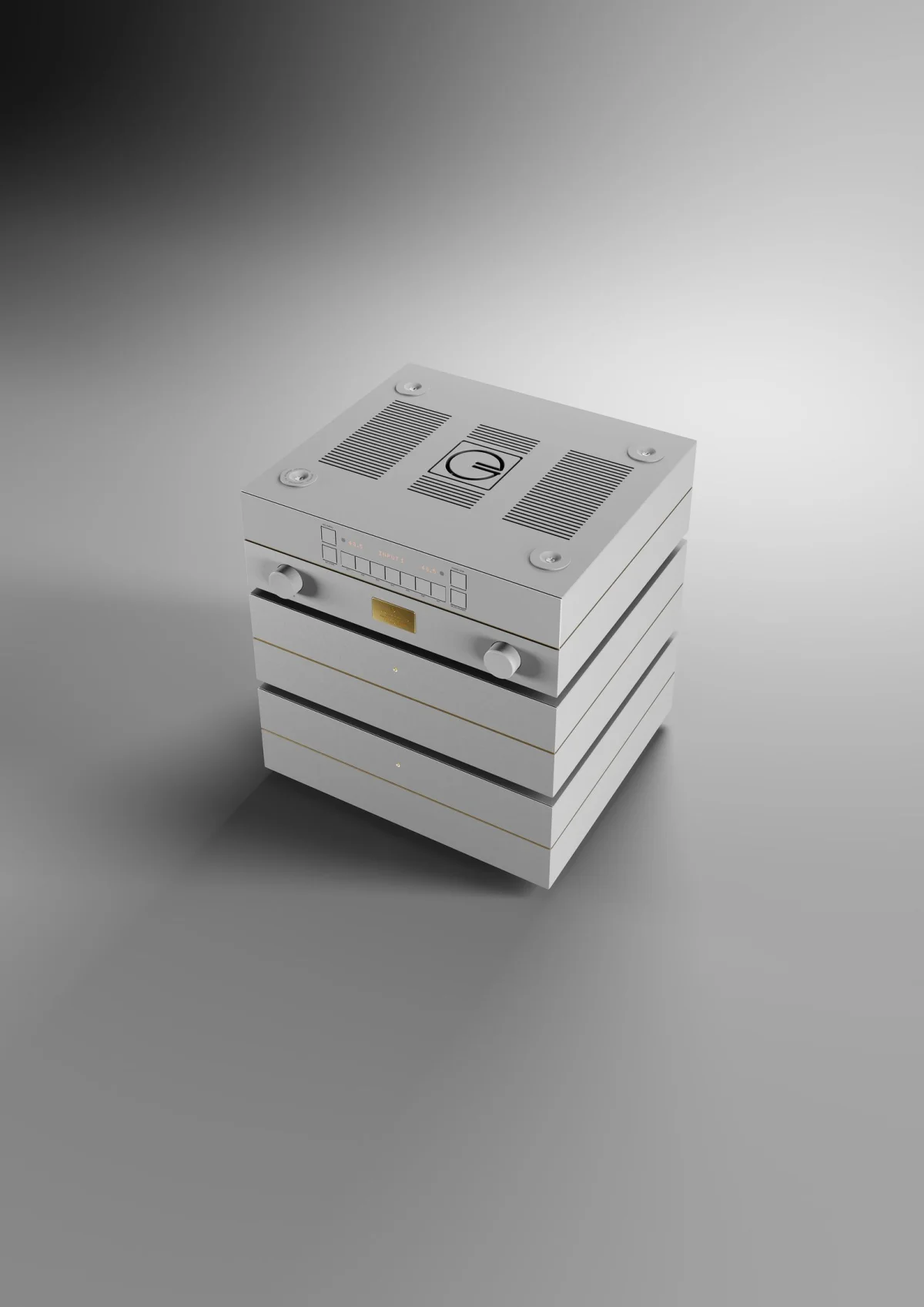
Goldmund’s Mimesis Statement makes a costly engineering choice: its analog preamplifier occupies three chassis, with separate power supplies for the left and right audio channels. The preamp alone costs $240,000 in the US. In the system used for a listening demonstration, it was one component in a setup priced at $1.482 million, before cables.
The price puts the product in a category where practical audio performance shares space with design, materials, craftsmanship and exclusivity. The Mimesis Statement is aimed at buyers who can consider all of those attributes part of the purchase. For other listeners, the reported specifications and the reviewer’s impressions offer useful context, but they don’t establish that the system’s cost translates into proportionally better sound.
Why the preamp takes three boxes
A preamplifier takes low-level signals from audio sources, manages volume and input selection, then sends the signal to a power amplifier. That amplifier drives the speakers. Many home systems combine preamp and power amp functions in one integrated amplifier; separate components let manufacturers arrange and isolate those stages in different enclosures.
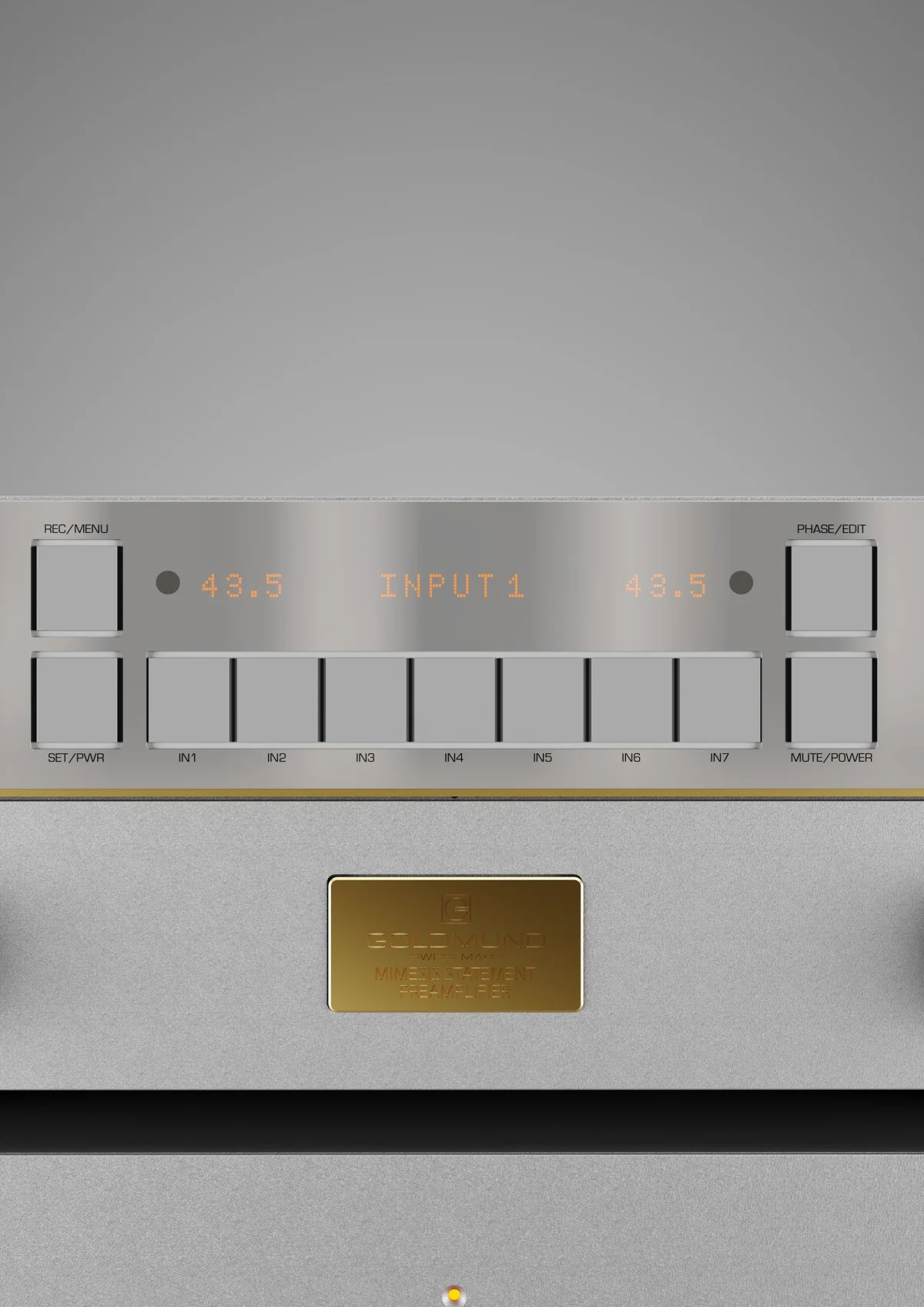
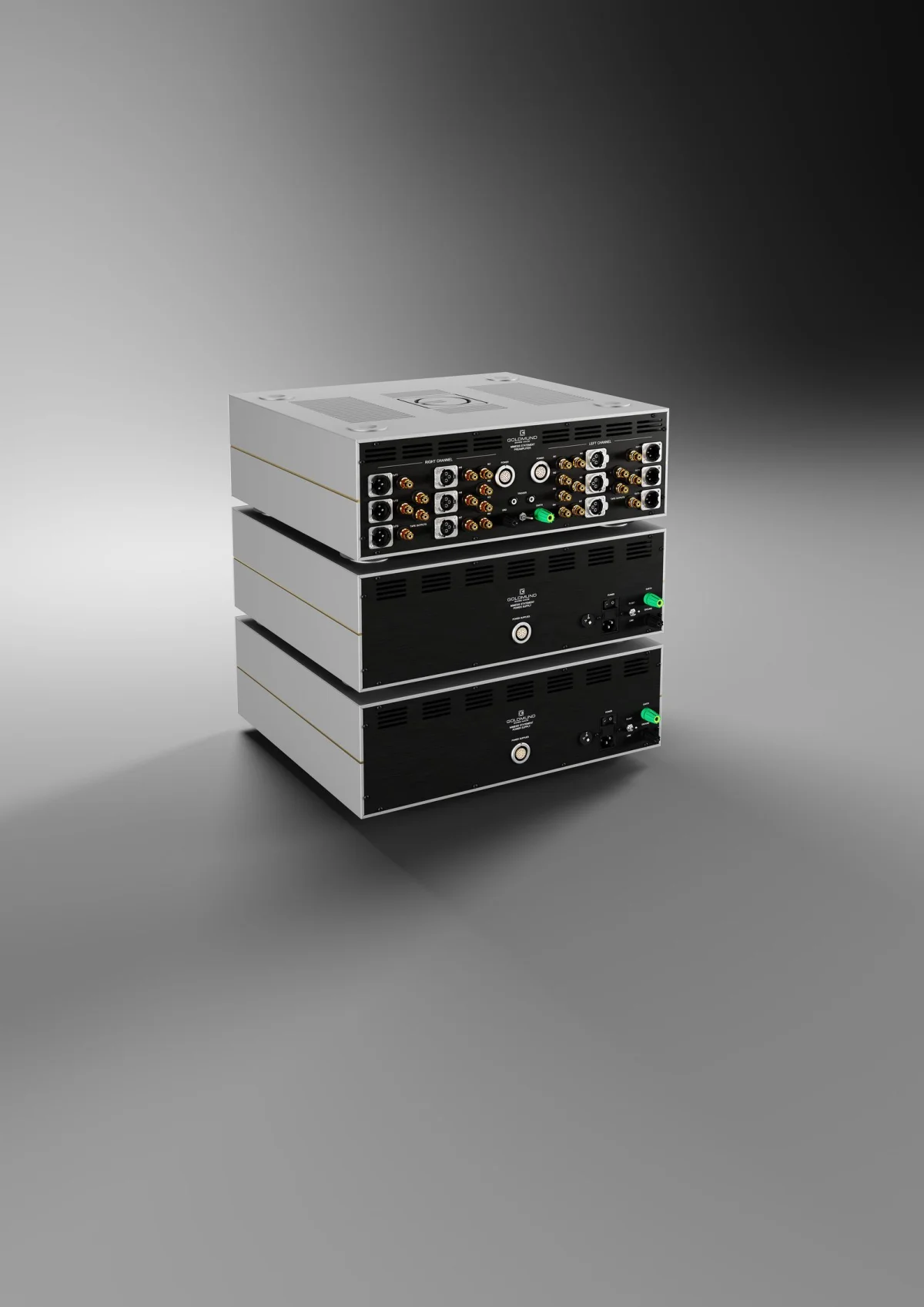
Goldmund extends that separation to the preamp’s power supplies. One chassis contains the preamplification electronics, controls and display, along with balanced and unbalanced inputs for sources such as a turntable or network streamer. The other two chassis supply power to the left and right channels separately.
The company says this arrangement, together with symmetrical internal construction, voltage regulation and heat management, is intended to keep operating conditions consistent and protect signal integrity. The Mimesis Statement’s stated total harmonic distortion is 0.0002 percent. The source account describes that figure as difficult to measure, but supplies no measurement method or test conditions, so the number shouldn’t be treated as a complete picture of performance.
Three enclosures also shape the product’s physical character. The unit has mirrored-glass displays, metal-coated controls and Goldmund’s slender gold-line design detail. Its circuit boards are hand-soldered, while the company describes its materials and finishing as drawing on Swiss watchmaking techniques. These are tangible parts of the product’s construction and presentation; the article doesn’t provide comparative measurements that would show how much they affect sound.
A seven-figure listening system
During the demonstration, Goldmund paired the preamp with an Eidos network streamer priced at $27,000. The signal then went to two Thelos 9800 power amplifiers, each priced at $500,000 and rated at 1,560 watts per channel, before reaching a pair of Theia Passive four-way floor-standing speakers priced at $215,000.
Those components bring the listed system total to $1,482,000. The Thelos amplifiers are also described as weighing nearly 800 pounds apiece. That scale has consequences beyond the bill: a system of this size and price requires room for multiple large components, suitable placement and the rest of the signal chain. The source doesn’t specify installation requirements or cable costs, and cables aren’t included in the quoted total.
The reviewer describes the build quality as exceptionally precise, pointing to the hand-soldered boards, alloy construction and distinctive finish. On sound, the account reports detailed, insightful and communicative playback. It doesn’t provide blind comparisons, measurement results for the full system or direct tests against less expensive equipment. That leaves the listening impression as an informed personal assessment rather than evidence that the price buys an equivalent increase in audible performance.
Performance and prestige share the price
The reviewer argues that diminishing returns arrive well before audio equipment reaches six or seven figures. The Mimesis Statement’s value proposition therefore can’t be reduced to distortion figures or the preamp’s role in a stereo chain. Goldmund is also selling scarcity, a recognizable design and a form of artisanal engineering that places the system alongside other luxury objects. The comparison to Rolex captures that overlap between function and status.
That doesn’t make the reported listening experience irrelevant. A buyer might care about how the system sounds, how its components are made and how they look in a room. But the source offers no way to isolate the contribution of the preamp from the streamer, amplifiers and speakers, and no evidence that the three-box layout alone accounts for the sonic qualities described.
For developers and audio engineers, the more concrete takeaway is Goldmund’s design priority: physical separation, channel-specific power supplies, symmetrical construction and tightly controlled internal conditions. Whether those choices justify this price depends on what a buyer values beyond measurable performance. The Mimesis Statement is a high-end preamp by specification and an ultra-luxury product by price; the listening report makes a case for its sound, while leaving the size of its advantage over more accessible systems unresolved.


