ABS Cyclone Aqua Gaming PC Drops to $1,499.99 With RTX 5060 Ti 16GB
The $1,499.99 ABS Cyclone Aqua pairs an RTX 5060 Ti 16GB with an i7-14700F, DDR5 memory and a 1TB SSD for 1440p gaming.
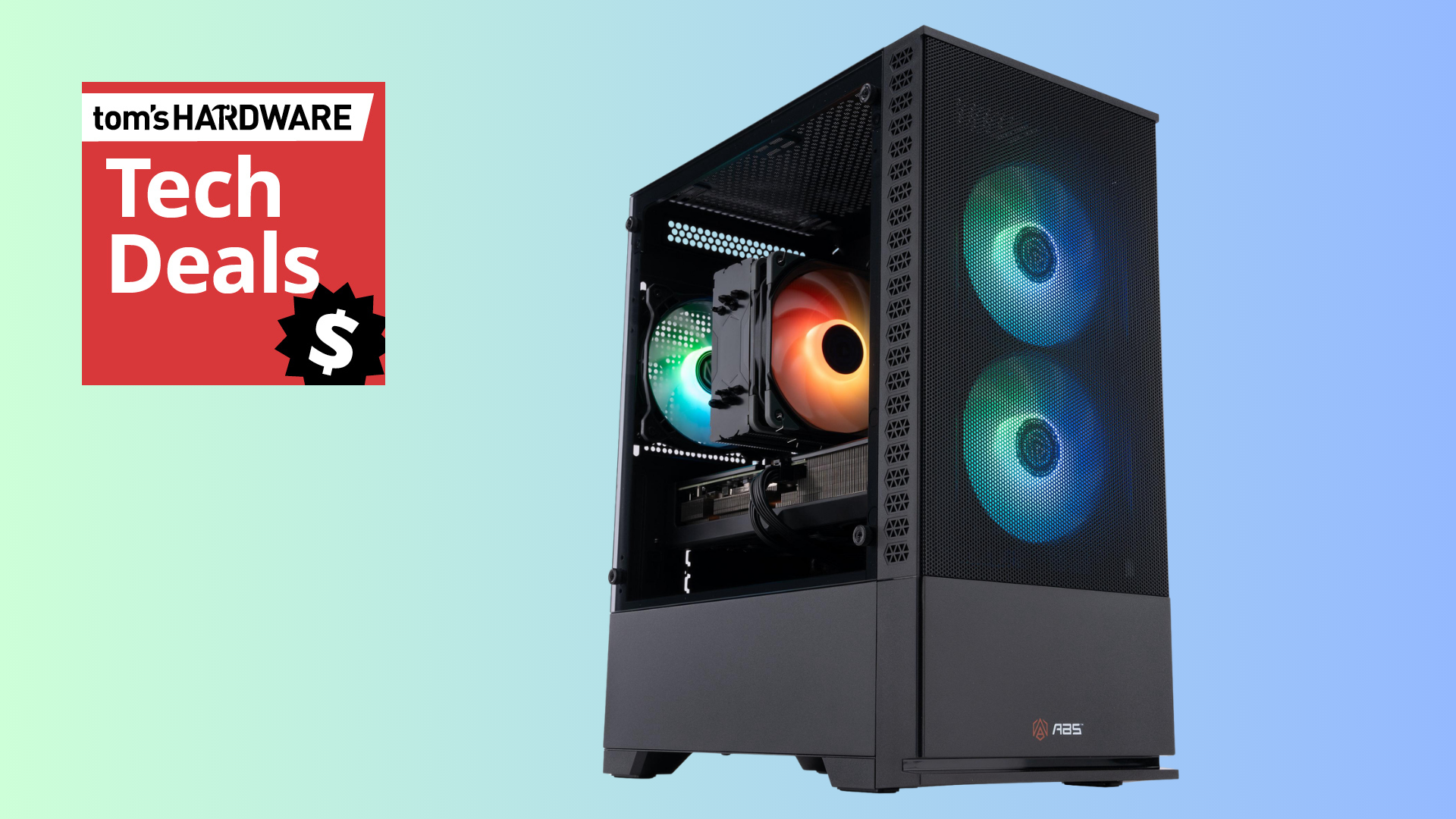
A discounted prebuilt with a clear gaming focus
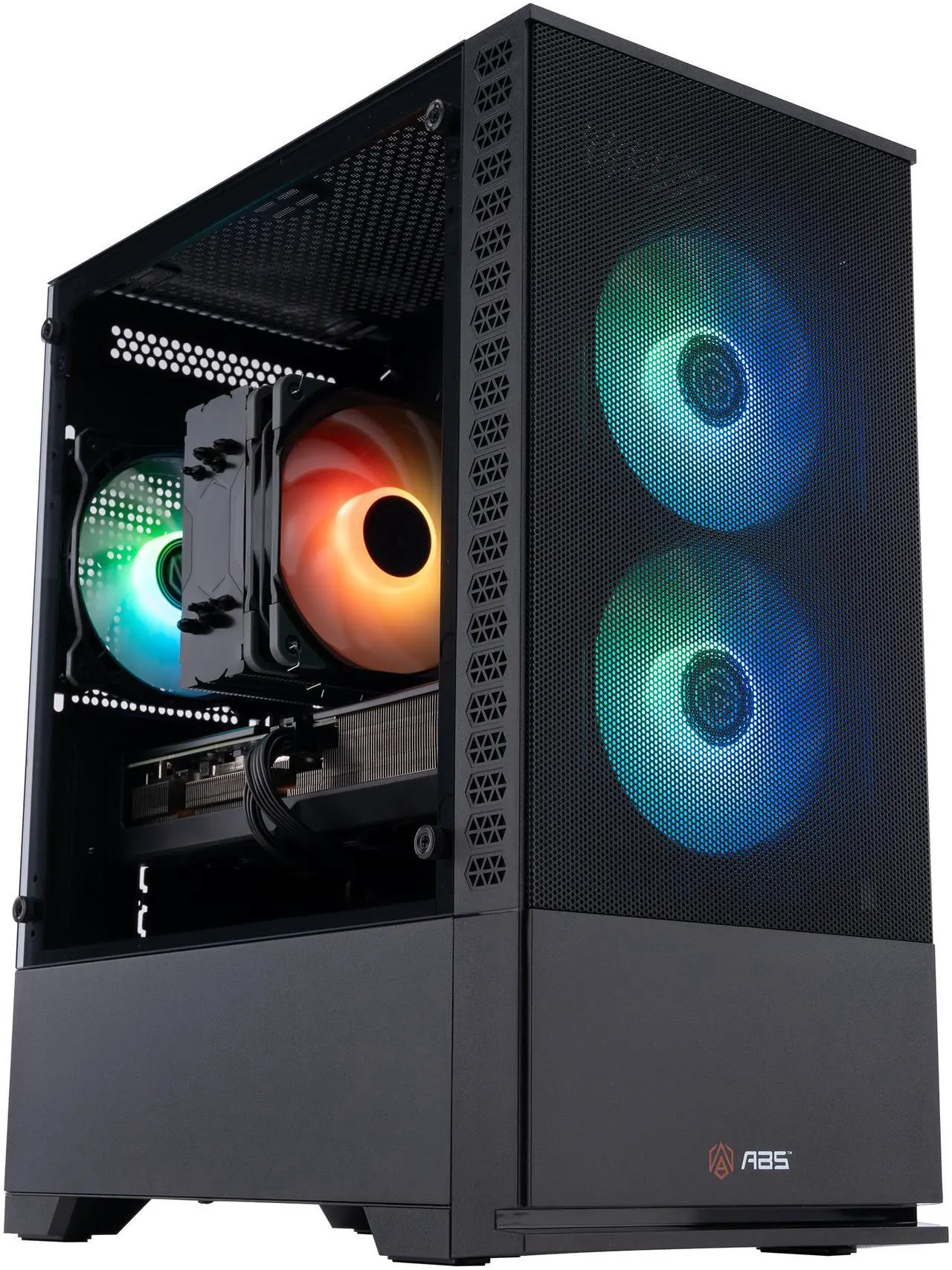
The ABS Cyclone Aqua’s $1,499.99 sale price puts an RTX 5060 Ti with 16GB of memory into a prebuilt desktop aimed at 1080p and 1440p gaming. It’s listed at $200 below its $1,699.99 price, and the combination of graphics card and processor makes the system’s value worth a closer look. A sale price can make a prebuilt easier to compare with a do-it-yourself parts list, but the available details don’t include a parts-by-parts cost comparison. The system is available at Newegg for $1,499.99.
The GPU is the main attraction
Nvidia’s GeForce RTX 5060 Ti is a mid-tier Blackwell card with 4,608 CUDA cores and a boost clock of 2,527MHz. This configuration has 16GB of GDDR7 memory, giving games more graphics memory to work with than the 8GB versions found in some systems at this price. That additional capacity can help with demanding 1440p workloads, where high-resolution textures and other settings can consume more memory, though it doesn’t guarantee a particular frame rate or quality setting in every game. The capacity is a useful part of the pitch; actual performance still depends on the game, settings, and rest of the system.
The card draws power through a single eight-pin PCIe connector. That’s a relatively straightforward power connection for a current-generation graphics card, but the source doesn’t specify the system’s power supply model or wattage. Buyers who plan to upgrade the GPU later will want to check the full system specifications and power supply capacity before choosing replacement parts. A connector that fits doesn’t, on its own, establish that a power supply has enough capacity for a future card.
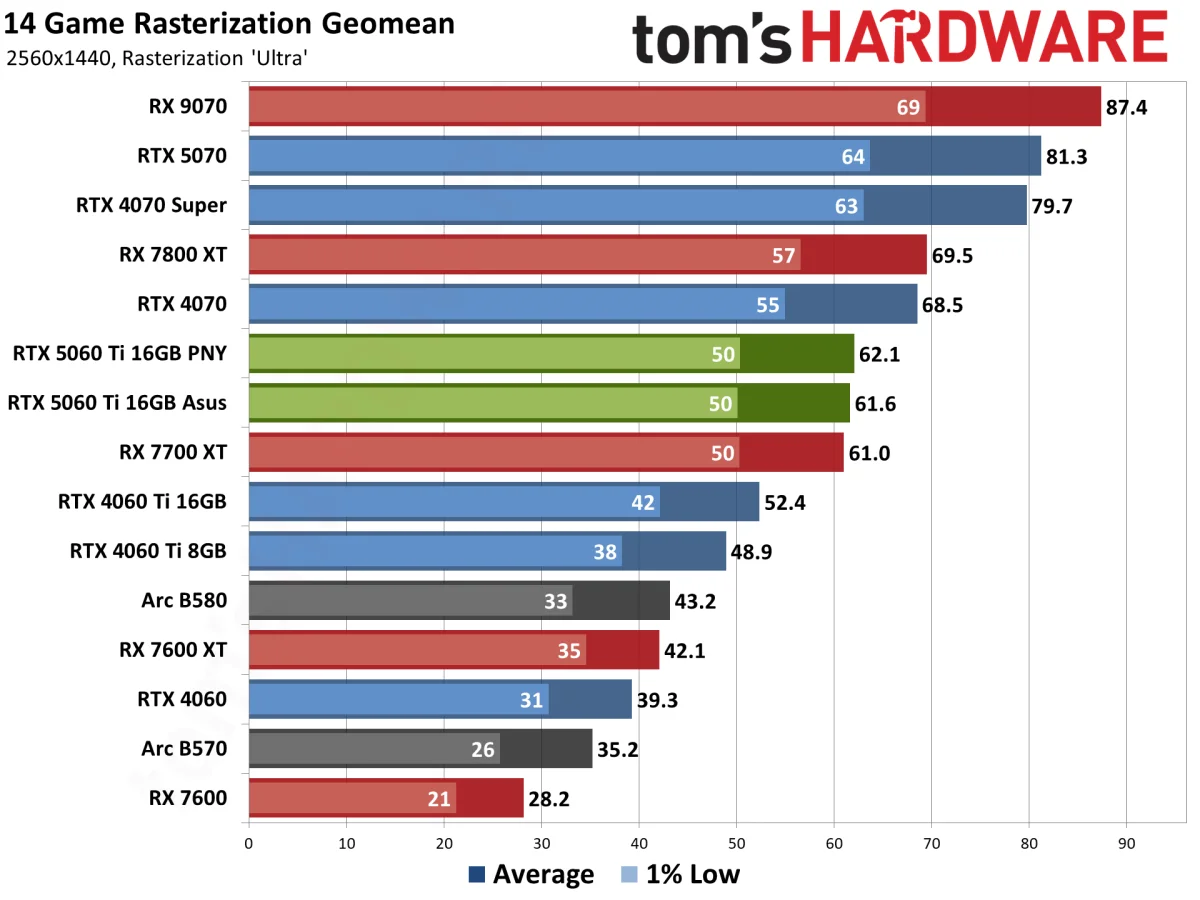
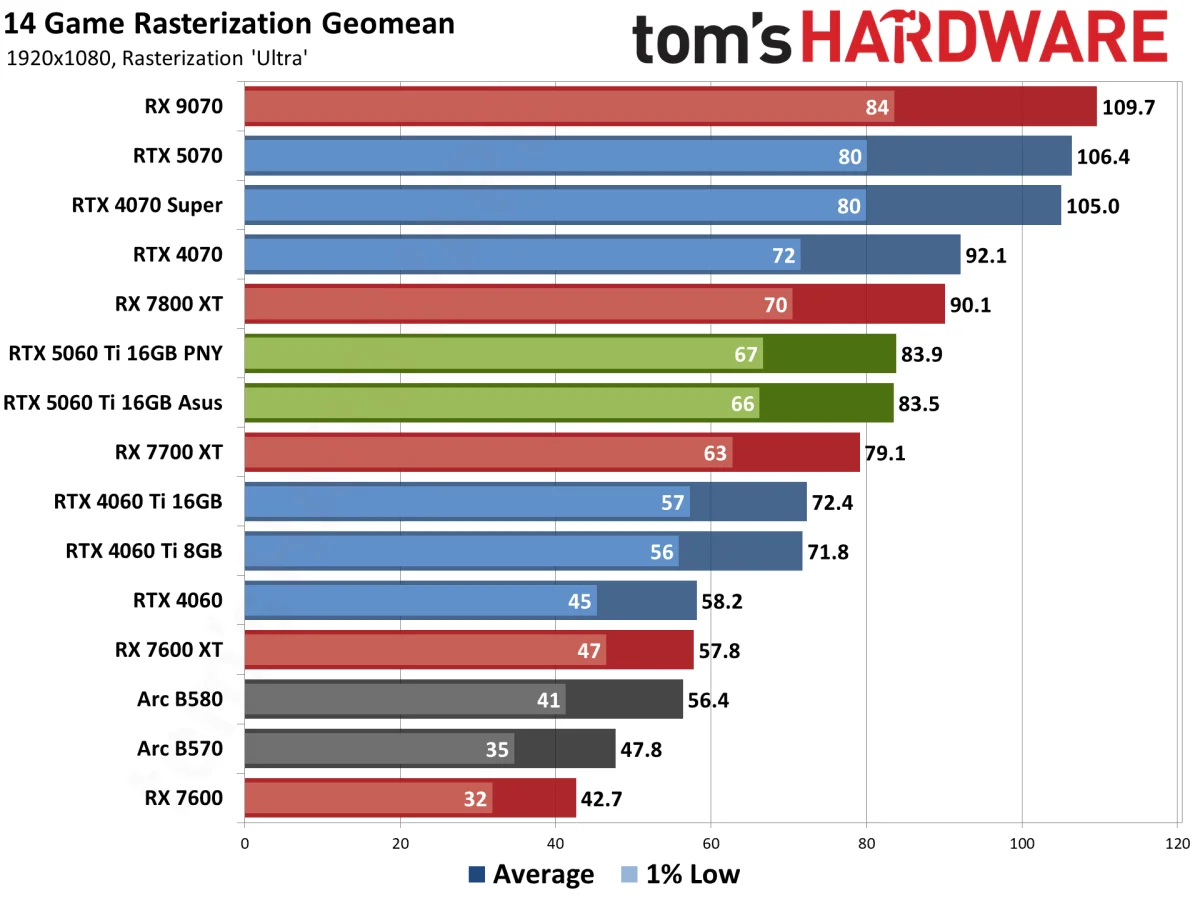
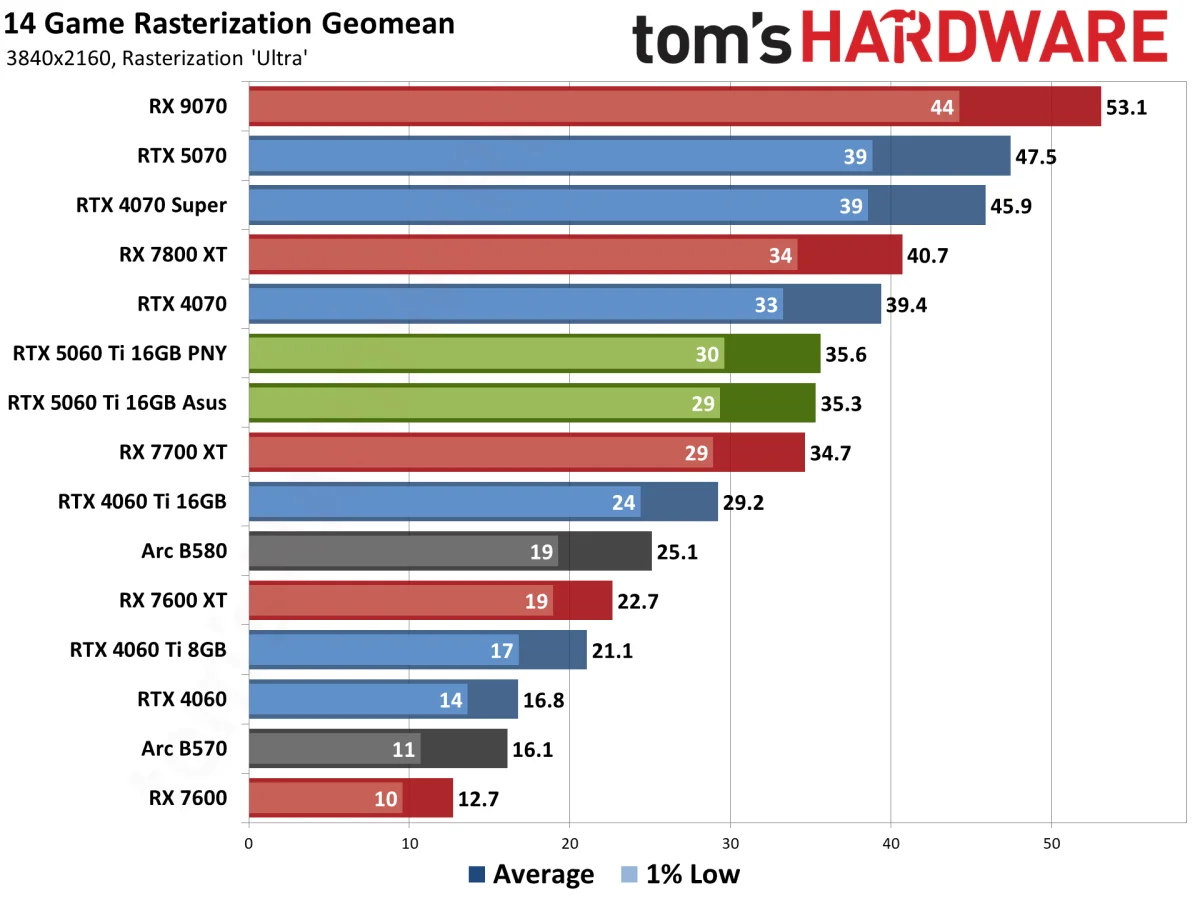
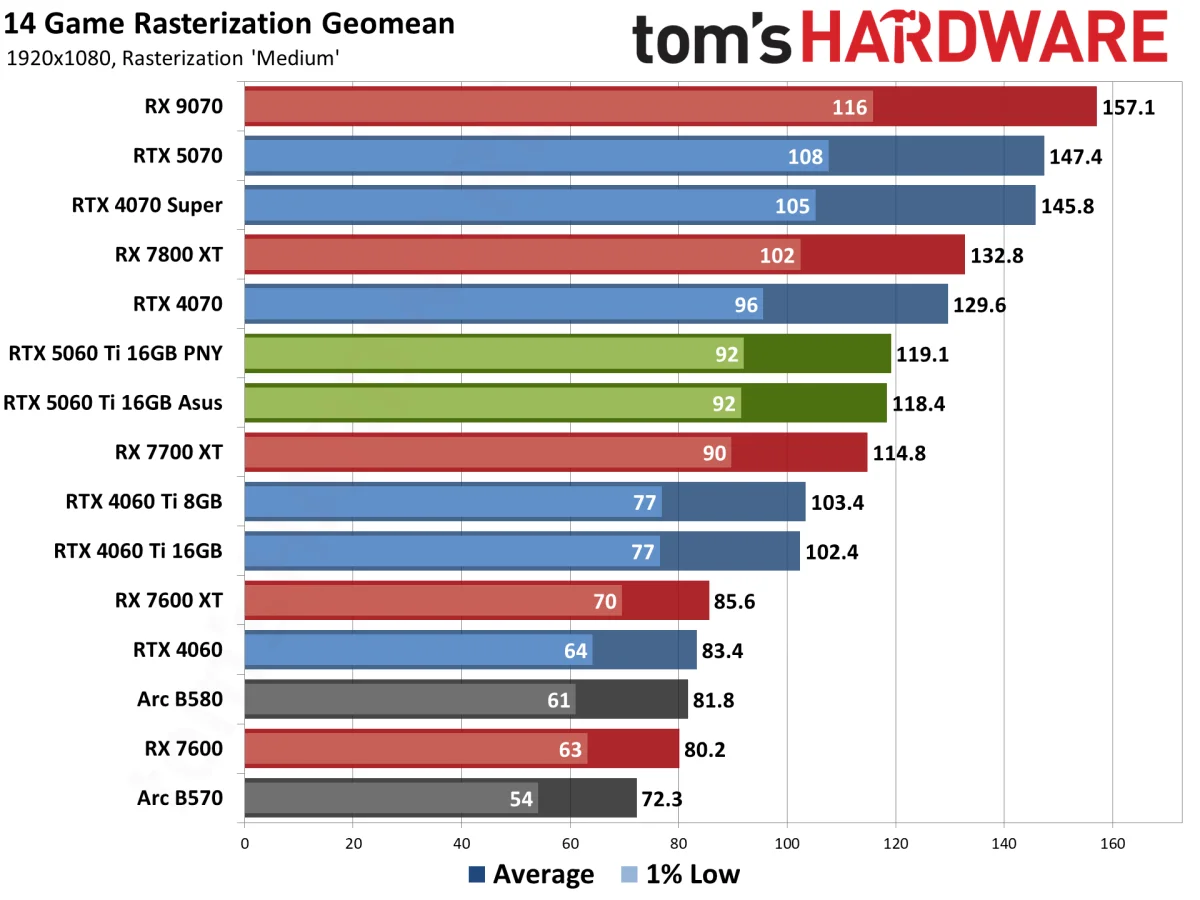
Tom’s Hardware’s review reports that the RTX 5060 Ti 16GB performs well at 1080p and 1440p, including in tests with ray tracing enabled. The system also supports DLSS, including multi-frame generation. These features can raise displayed frame rates in supported games, especially when rendering demands are high; results depend on the title, settings, and implementation. The supplied charts are from that review, and the article doesn’t provide individual benchmark scores to quantify the card’s lead over competing GPUs. That limits how precisely a buyer can use this coverage to compare the Cyclone Aqua with other desktops.
A capable CPU, with memory to consider
Intel’s Core i7-14700F supplies 20 cores: eight performance cores and 12 efficiency cores. It reaches a maximum turbo frequency of 5.4GHz and has a listed 65W TDP. The processor is from Intel’s Raptor Lake Refresh generation, but its core layout and clock speed still make it a strong pairing for this graphics card. The source expects little CPU bottlenecking in modern games at 1080p or 1440p. That’s a useful expectation, though workloads vary: games that lean heavily on the processor can behave differently from titles limited by graphics performance.
The included memory is 16GB of G.Skill Flare X5 DDR5 running at 6,000 MT/s. DDR5 is a useful part of the configuration, but 16GB is a modest capacity for a gaming desktop. It may be enough for many games and everyday use, yet buyers who keep several applications open or play titles with heavier memory demands may want to add more. The source says the system has room for an upgrade, though it doesn’t specify the number of open memory slots or the motherboard’s maximum capacity. If you’re working in this space, treat that missing detail as a practical question to resolve before buying: adding memory depends on the board and the existing configuration.
Storage comes from a 1TB Patriot P410 PCIe Gen 4 SSD. That offers space for Windows and several large games, although a library of newer releases can fill 1TB quickly. The source doesn’t list additional drive bays or storage expansion details, so those are worth checking if the machine will hold a large game collection. For buyers who mostly play a few games at a time, the included drive may be adequate; a larger installed library makes expansion more relevant.
What the price includes
Alongside the core components, the Cyclone Aqua includes Wi-Fi 6E, Bluetooth 5.2, and gigabit Ethernet. That gives buyers wireless networking and a wired option without needing to add a separate network card. The listed configuration is a ready-made desktop, which can save the work of sourcing compatible parts and assembling a system; the source doesn’t provide a parts-by-parts comparison or warranty details. Those omissions matter when weighing a prebuilt against building a PC, since the headline components don’t describe the entire ownership experience.
At $1,499.99, the machine’s appeal rests on getting the 16GB RTX 5060 Ti and Core i7-14700F together in a prebuilt system. The 16GB graphics memory is a useful advantage for demanding games at 1440p, while the 16GB of system RAM is the clearest specification to weigh against future upgrade plans. This is more significant than it looks: the system’s strongest selling point is paired with a configuration detail that may call for an upgrade depending on how you use the PC. The sale is a concrete price point, but the source gives no end date, so buyers should confirm the current listing price and configuration before ordering.
What to check before buying
The listed parts make the Cyclone Aqua look like a gaming-first desktop whose graphics card should carry much of its appeal. Yet a component list leaves open questions about the power supply, motherboard, cooling, and upgrade options. Those details can affect noise, future changes, and how easy it is to expand storage or memory. The source doesn’t establish how the system handles those tradeoffs.
Here’s the thing: the advertised $200 reduction is only useful if the configuration fits your needs at the price shown. Check the current listing, then decide whether 16GB of system memory and 1TB of storage will suit your games and everyday workload. The graphics card’s 16GB of memory is the more persuasive specification for this price, but it shouldn’t distract from the rest of the desktop. Worth a closer look.


