EA Closes BioWare’s Edmonton Studio and Stops Early Work on the Next Mass Effect
EA is closing BioWare’s Edmonton studio and ending early development on the next Mass Effect, while keeping the franchise’s future unaddressed.
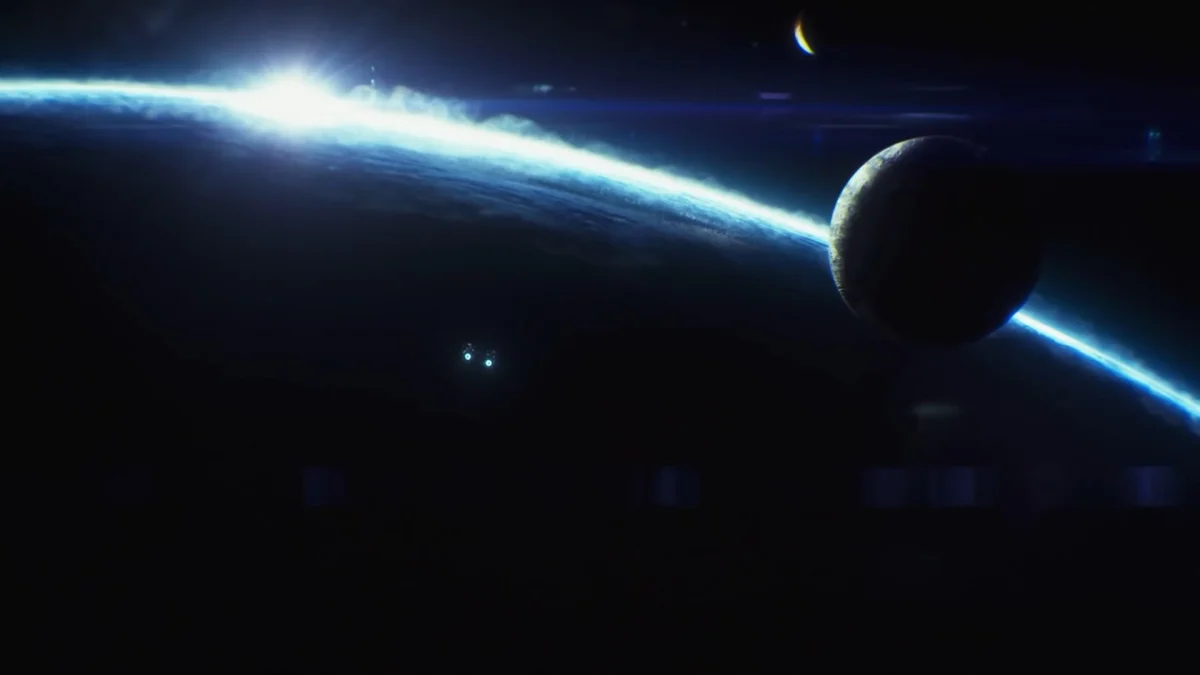
BioWare’s closure ends the work of a studio that helped define several major role-playing game series, while leaving the future of those series unresolved. Electronic Arts is closing BioWare and its Edmonton studio, and has stopped early development on the next Mass Effect game. EA hasn’t said how many employees are affected, whether any BioWare teams or projects will continue elsewhere, or what the studio’s closure means for future releases.
The decision comes as EA shifts attention toward established properties and selected new projects. The company highlighted Battlefield, Apex Legends, Iron Man, Star Wars Jedi, EA Sports, Fight Night and The Sims in a letter to employees. It described its broader priorities as “Deepen Our Core, Expand Our Reach, and Transform Our Business.” BioWare received only a brief mention.
A long-running studio loses its next project
BioWare spent 31 years making games, including Mass Effect, Dragon Age, Star Wars: Knights of the Old Republic, Neverwinter Nights and Baldur’s Gate. EA acquired the studio in 2008. Its closure is a significant change for those series, but EA hasn’t declared either Mass Effect or Dragon Age finished, and it didn’t discuss BioWare’s released games.
The next Mass Effect was first announced in November 2020 and teased that December with a trailer on EA’s Mass Effect YouTube channel. The project had remained at an early stage. BioWare general manager Gary McKay said around the time of the studio’s latest release that a “core team” was working on it, without needing support from the full studio. Other colleagues had been matched with teams elsewhere at EA.
EA now says it has decided not to continue development. That wording describes the end of the current early work, but doesn’t answer whether EA might revisit the series later, or which people and assets may be assigned to other projects. For fans, the distinction matters: the project’s current development has stopped, while the company has left the franchise’s longer-term status open.
EA’s priorities point toward established franchises
EA praised Battlefield 6 as “a great success” and identified new Apex Legends modes, Marvel’s Iron Man and the next Star Wars Jedi game among its areas of focus. Its EA Sports plans include “Project Gridiron,” described as a social-first, open-world experience from the company’s American football team. A Fight Night revival is in pre-production. EA also said it intends to prioritize “Project Evergreen” within The Sims.
This list suggests a portfolio strategy built around recognizable series, with room for projects in different stages of development. The named work spans games EA says are performing well, projects already in development and concepts still at an early point. The company has not supplied release dates for major titles, so its list sets out areas of focus rather than a schedule developers or players can use to gauge when each game might arrive.
EA said affected employees will be supported in “exploring other opportunities within EA.” It didn’t share a job count, explain how many people can be placed on other teams, or detail what support will look like. Those omissions leave the staff impact difficult to assess from the information made public.
Dragon Age’s reception is context, not a stated cause
Dragon Age: The Veilguard was BioWare’s most recent release, arriving in 2024 after a relatively quiet period for the studio. EA previously said the game engaged about “1.5 million players during the quarter,” nearly 50% below the company’s expectations. That figure may help explain the commercial context surrounding BioWare, but EA did not say it caused the closure or the decision to stop work on Mass Effect.
The sequence of events offers some clues about how BioWare’s work had already been reorganized. A small team was handling early Mass Effect development, while some other staff had moved to different EA teams. That arrangement indicates the next game did not rely on the full Edmonton studio at that stage. It doesn’t establish what resources EA would have needed to continue the project or whether its plans changed after The Veilguard’s performance.
BioWare’s closure also fits a broader period of workforce reductions across game development. Microsoft, for example, announced 3,200 Xbox job cuts in July and cited low margins. The comparison provides industry context, though the available account of EA’s decision doesn’t give a specific financial rationale for closing BioWare.
What remains unanswered
EA plans to discuss its direction and upcoming work with staff at a Global Town Hall in November. Until it provides further details, there’s no confirmed timetable for its major titles, no stated headcount for the BioWare closure and no clear account of how the company will handle the studio’s existing series.
For developers and players, the practical takeaway is that early work on the next Mass Effect has ended, while EA’s portfolio plans emphasize other franchises and projects. BioWare’s legacy remains visible in the games it made, but the next chapter for Mass Effect and Dragon Age will depend on decisions EA hasn’t yet shared.


