Industrial AI Adoption Depends on Worker Trust and Measurable Results
Examples from IFS Unleashed show how AI can speed industrial tasks, while lasting value depends on worker adoption, oversight and realized savings.
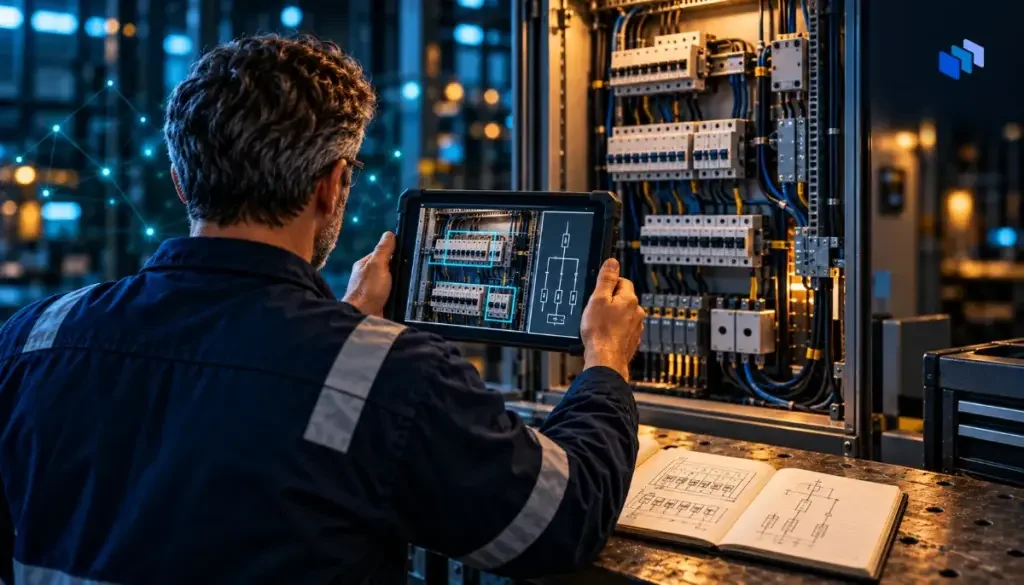
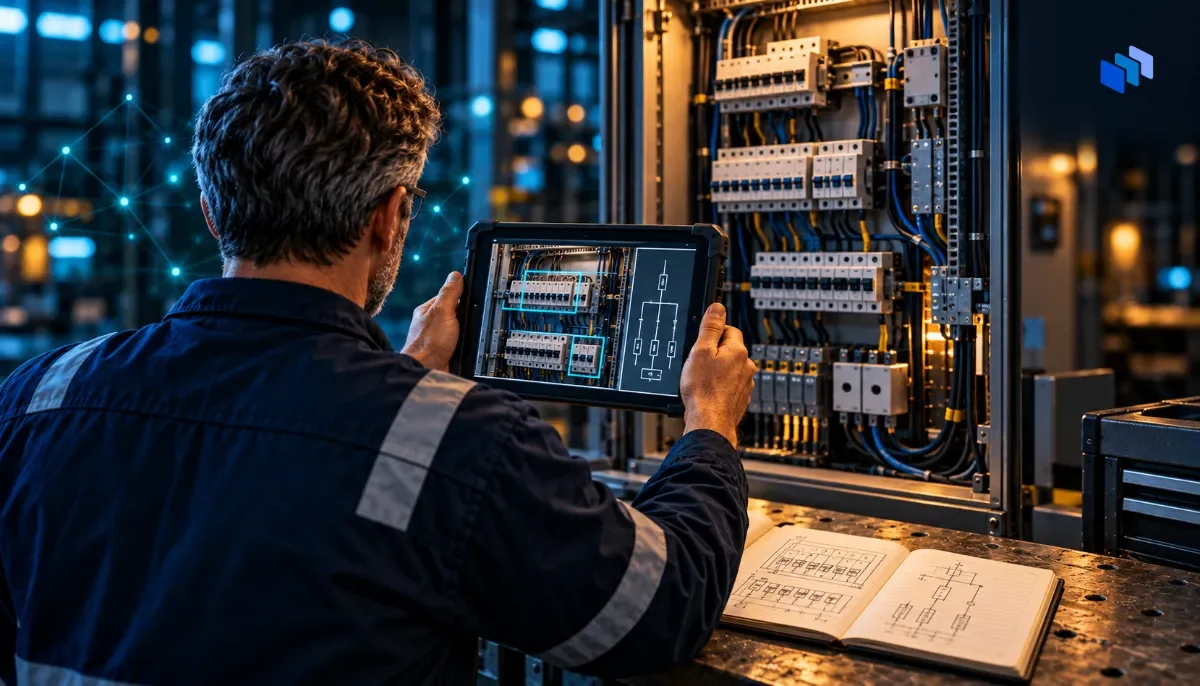
A photo based workflow cut one engineer’s task from about 25 minutes to roughly 60 seconds. That demonstration helped shift a skeptical employee’s view of AI, but the larger lesson from IFS Unleashed was that a faster task is only the beginning. Industrial AI must fit the work, earn employees’ trust and deliver results that organizations can verify over time.

Mo Dawood, CIO of Eight Group, recalled that an engineer’s first response to a discussion about AI was: “I don’t need AI.” The team showed how a photograph of an electrical distribution board could capture information, check technical requirements and enter the results into an application. The process had taken approximately 25 minutes; with the visual tool, it took about 60 seconds. The practical comparison made the technology’s potential clearer than a general promise of productivity.

Making experience available to more workers
Another example focused on a different kind of value: preserving knowledge held by experienced employees. William Grant & Sons has worked with Nexus Black on maintenance challenges at its Scottish distillery, capturing frontline operators’ experience so colleagues can access it more readily.

One experienced operator saw the benefit as a way to bring less experienced colleagues closer to his own expertise. As he put it, “But it brings others to my level.” Kriti Sharma, CEO of IFS Nexus Black, recalled the remark during a customer presentation. It points to a practical use for AI: helping a team draw on expertise that might otherwise depend on one person being available.


IFS CEO Mark Moffat described the underlying challenge in his keynote: “The most valuable data set in your business has never been uploaded.” He was referring to employees’ accumulated knowledge, particularly in industries where practical expertise develops over decades. Capturing that knowledge can make it easier to share, though changing established work practices takes time. Employees may need to adjust to new workflows and to different expectations for their responsibilities and output.

At IFS Unleashed 2026, Somya Kapoor, CEO of IFS Loops, said that the technology itself wasn’t the main barrier to deploying digital workers. The larger task, in her view, is change management. Leaders need to define a clear workflow and show that the system adds value before expanding its role in employees’ work. That sequence gives people a chance to understand the tool and build confidence through use.

Early results need operational follow-through
Building AI alongside the people who will use it was another recurring theme. Moffat said IFS has moved away from its traditional approach to enterprise software development. Through Nexus Black, teams work in customer operations, including distilleries, industrial sites and aircraft hangars, to identify problems and develop solutions within the setting where the work happens.

William Grant & Sons shared an early result from this approach: a procurement application developed in about three weeks identified more than £10 million in potential savings. The company also stressed that identifying savings opportunities doesn’t mean the money has already been saved. Badri Narasimhan, its Chief Technology and Business Growth Officer, said: “We’re on our way. We’re still chasing the money. We’re not there yet, right?” The distinction matters when teams evaluate early AI results: a model or application can flag an opportunity, while realizing it requires further operational changes.

The company also described a migration project covering 52 reports, with approximately 48 moved in under 30 minutes. AI assisted development and migration may shorten parts of implementation, but they don’t remove the work needed to test and validate results, help employees adapt, and support systems once they’re in production. For teams overseeing autonomous systems, critical thinking and the ability to spot errors remain important alongside technical skills.

Measure the work, not just deployment speed
IFS executives said industrial organizations may be operating at about 60% of their potential, with the remaining 40% held back by inefficient processes, inaccessible information and underused expertise. That framing conveys the scale of the opportunity they see, but it shouldn’t be treated as a universal measure of industrial performance. The more useful evidence comes from specific workflows and clearly defined outcomes.



In a recorded interview, Kapoor described an invoice processing opportunity at Eight Group involving about 30,000 invoices each month, at an estimated cost of £5 to £6 per invoice. She said that maintaining automation at around 80% could save nearly £1 million annually. These figures offer a concrete case to assess, while the outcome depends on whether the system can sustain that level of performance in daily use.

Kapoor also said that deployment times are falling as customers gain experience with digital workers: “We had most of our customers go live in less than twelve weeks. Now it’s getting down to four weeks.” Some customers who began using digital workers about six months earlier had deployed two or three and were continuing to expand. Faster deployment and broader use show momentum, but they don’t, by themselves, establish that a workflow is succeeding.

Organizations also need to track accuracy, how often automated processes raise exceptions, and the time and cost people spend supervising or correcting the system. Those measures reveal whether automation is improving the whole process or shifting work into review and repair. They also help teams understand whether a system remains dependable as its use expands.

Trust is part of the performance measure
The discussions at IFS Unleashed pointed to a need for clearer ways to ensure employees and digital workers produce accurate results while maintaining accountability and customer experience. A successful demonstration can show that technology reduces a task from 25 minutes to one minute. Its longer-term value depends on what happens when employees use it routinely, encounter unexpected cases and decide whether they can rely on it.

That makes employee adoption part of the operational result, alongside speed and cost. Companies evaluating industrial AI should watch how workflows, responsibilities and outcomes change over time, including the effort required to handle exceptions. The strongest deployments will be those that make expertise more widely available and produce measurable gains in the work people actually do.



