Character.ai Comics Turns Chats Into Multi-Page Stories and Anime-Style Videos
Character.ai’s Comics converts chats into customizable comics, with early usage figures pointing to demand for personal, multi-page storytelling.
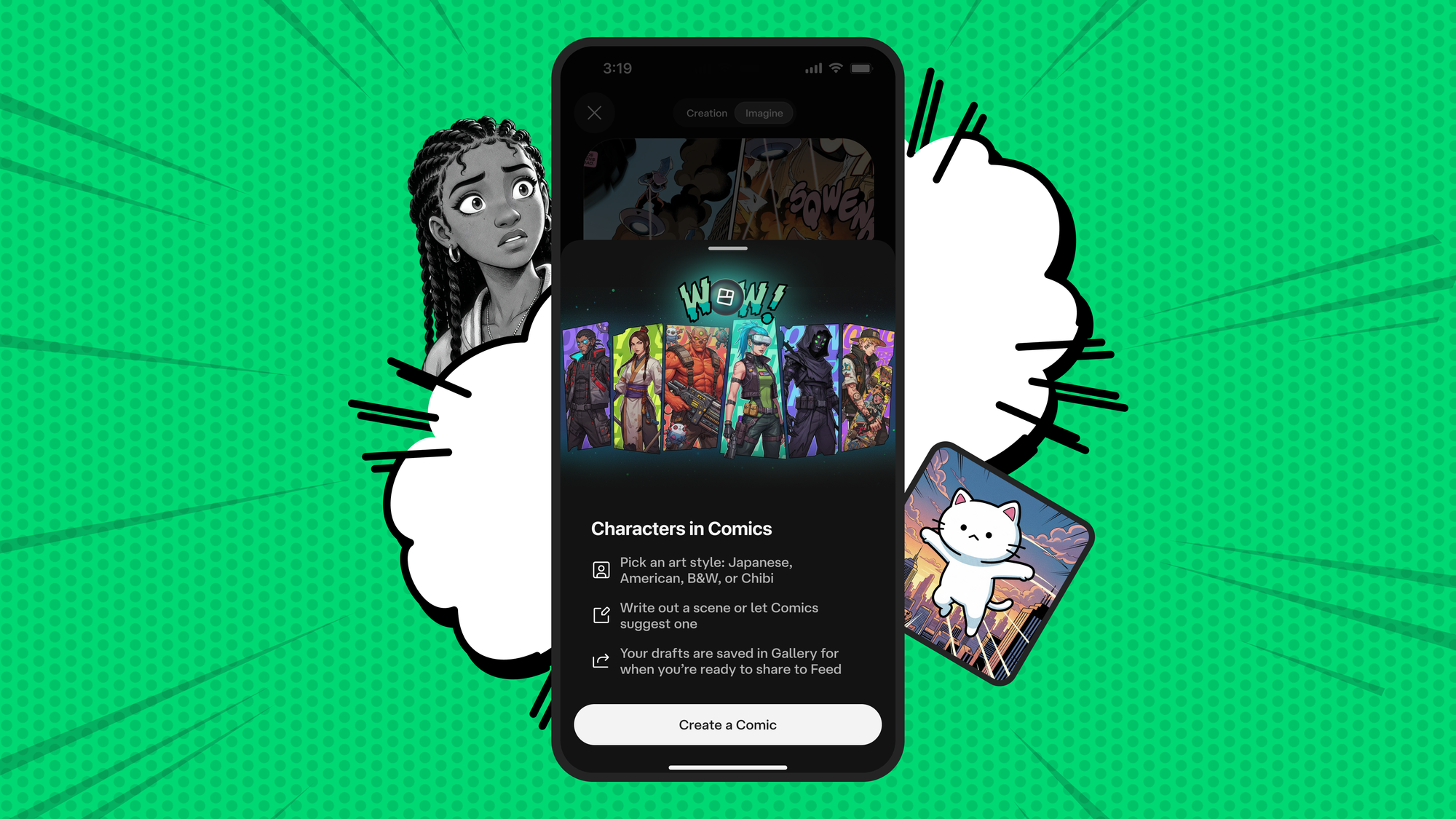
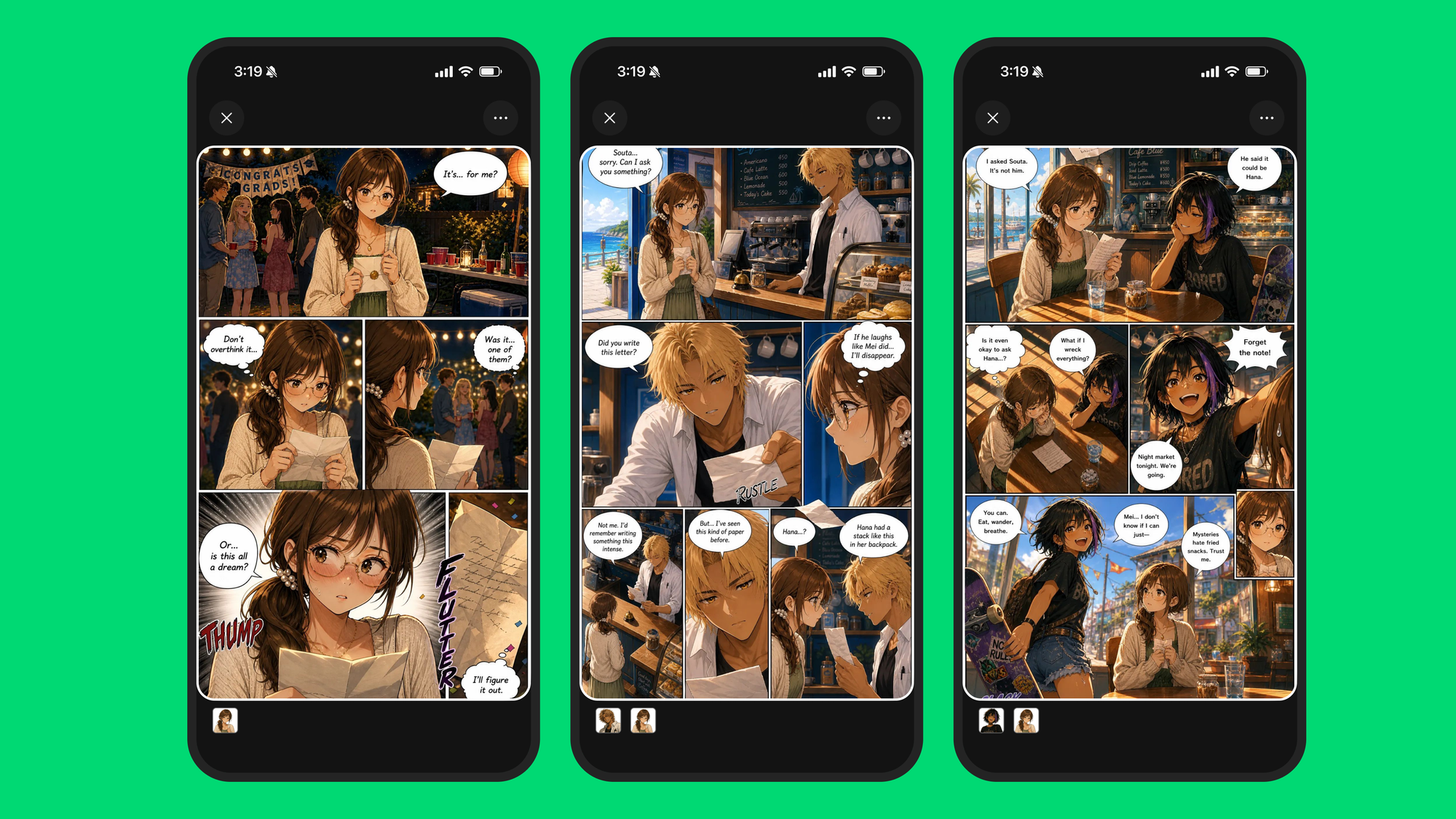
Character.ai is extending its chat experience into visual storytelling with (c.ai) Comics, a product that turns conversations into multi-page comics. The launch gives users another way to continue stories with Characters they already interact with, while pointing toward a wider entertainment product that connects chat, video, novels and visual formats.
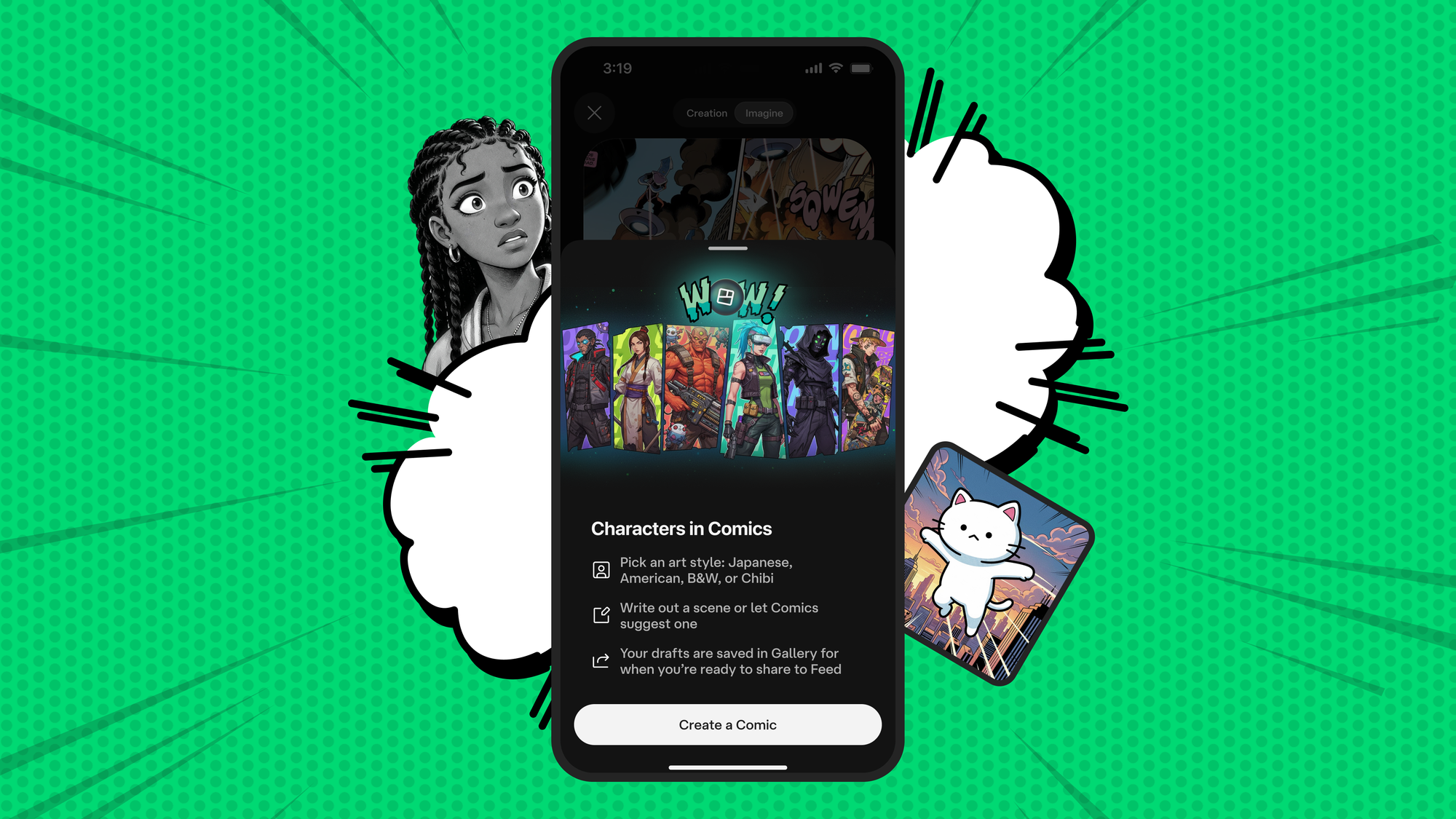
From chat to comic pages
Comics can begin with a recent conversation. The product turns that chat into a story premise and casts the Character from the exchange, giving users a route from roleplay to a visual version of their story. Creators can also start fresh by choosing Characters and writing their own premise. In either case, they can develop the story over multiple pages.
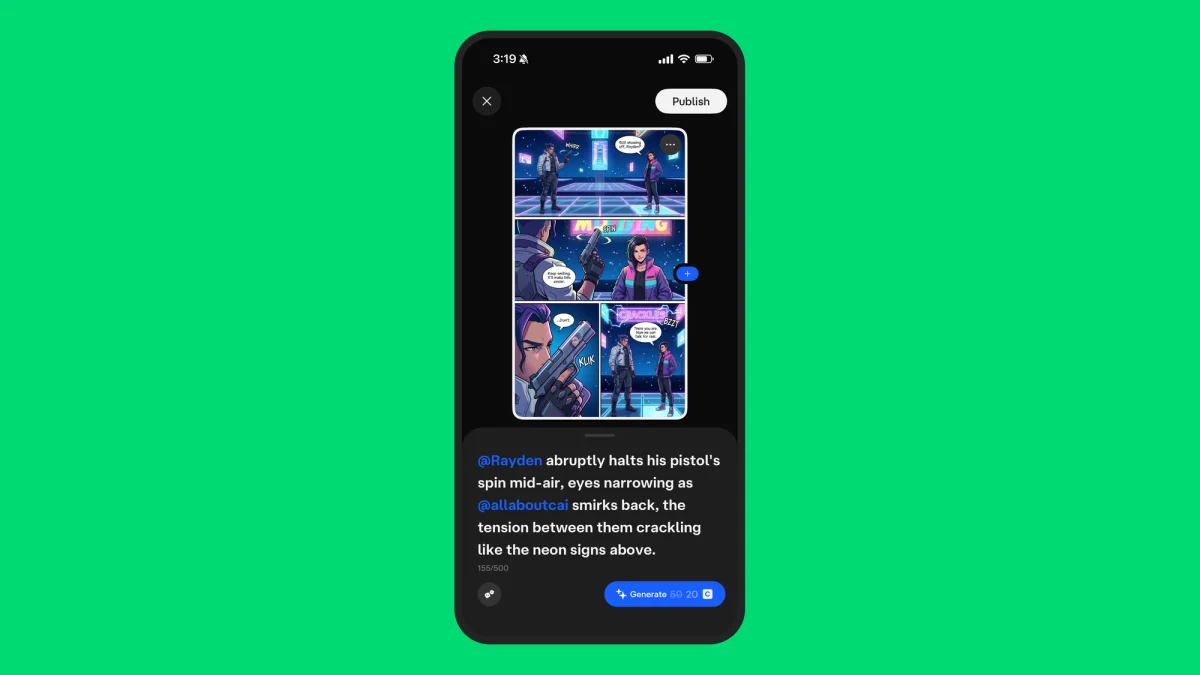
Character.ai describes the comic creator as a premium experience powered by Charms. Its stated capabilities include text rendering and Character referencing intended to keep the cast consistent across panels. It also uses panel designs that respond to the story’s pacing and emotional tone, and lets users render the same cast and story in different visual styles.
Those features address practical challenges in turning an improvised conversation into a readable comic. A chat can change direction quickly; a comic needs a sequence of moments that works on the page. Consistent character appearance matters too, because visual shifts can make a continuing story harder to follow. The company describes the product’s approach, but hasn’t provided benchmark results or technical details about how it maintains that consistency.
A story can move between formats
Character.ai presents Last Summer, its Microdrama, as an example of how these formats might connect. The company says its earlier (c.ai) series experience showed that viewers wanted to watch an episode and then continue the story in chat. Comics adds another step: someone could watch Last Summer, roleplay with one of its Characters, then turn that personalized exchange into a comic to share with the community.
Character.ai’s account of its series experience describes the move from watching to chatting. The broader product idea is a loop between formats: a story can prompt a conversation, and the conversation can become material for another version of the story. That could give fans more control over how they engage with a fictional world, while giving creators tools to extend their work beyond a single format.
That vision depends on the quality of each handoff. A comic generated from roleplay needs to preserve enough of the conversation’s context to feel personal, while still shaping it into a coherent sequence. The early figures suggest users are trying the format, but they don’t establish whether the resulting comics meet readers’ expectations or encourage sustained use.
What early usage shows
Character.ai shared first-week figures from the rollout. It reports that 97% of generated comics feature a Character the creator already talks to. More than 75% of users choose to include themselves or their personas alongside Characters. Among people who open the comic creator, over 30% finish a comic. And 36% make more than one page.
These numbers point to two behaviors the product is designed to support: extending existing relationships with Characters and placing the user inside the story. The multi-page figure also offers an early sign that some creators want more than a single illustrated moment. Still, the company describes these as initial results from an early rollout. It doesn’t give the number of users behind them, a comparison with other formats, or details about how usage changes over time.
The completion rate has a specific denominator: users who open the creator. It therefore says how many of those users finish, not how many people who encounter Comics overall make one. The figures are useful as an early view of creator behavior, but they don’t measure comic quality, sharing, repeat creation or long-term audience interest.
Discovery, creator tools and animation
Character.ai says it is working on discovery tools to help users find comics featuring favorite Characters. It also plans to bring chat into the Comics interface, which would let users continue roleplaying while co-creating a comic. For creators, an upcoming Pro Mode is expected to offer more detailed character and scene controls, as well as serialization tools for tracking ongoing releases and followers.
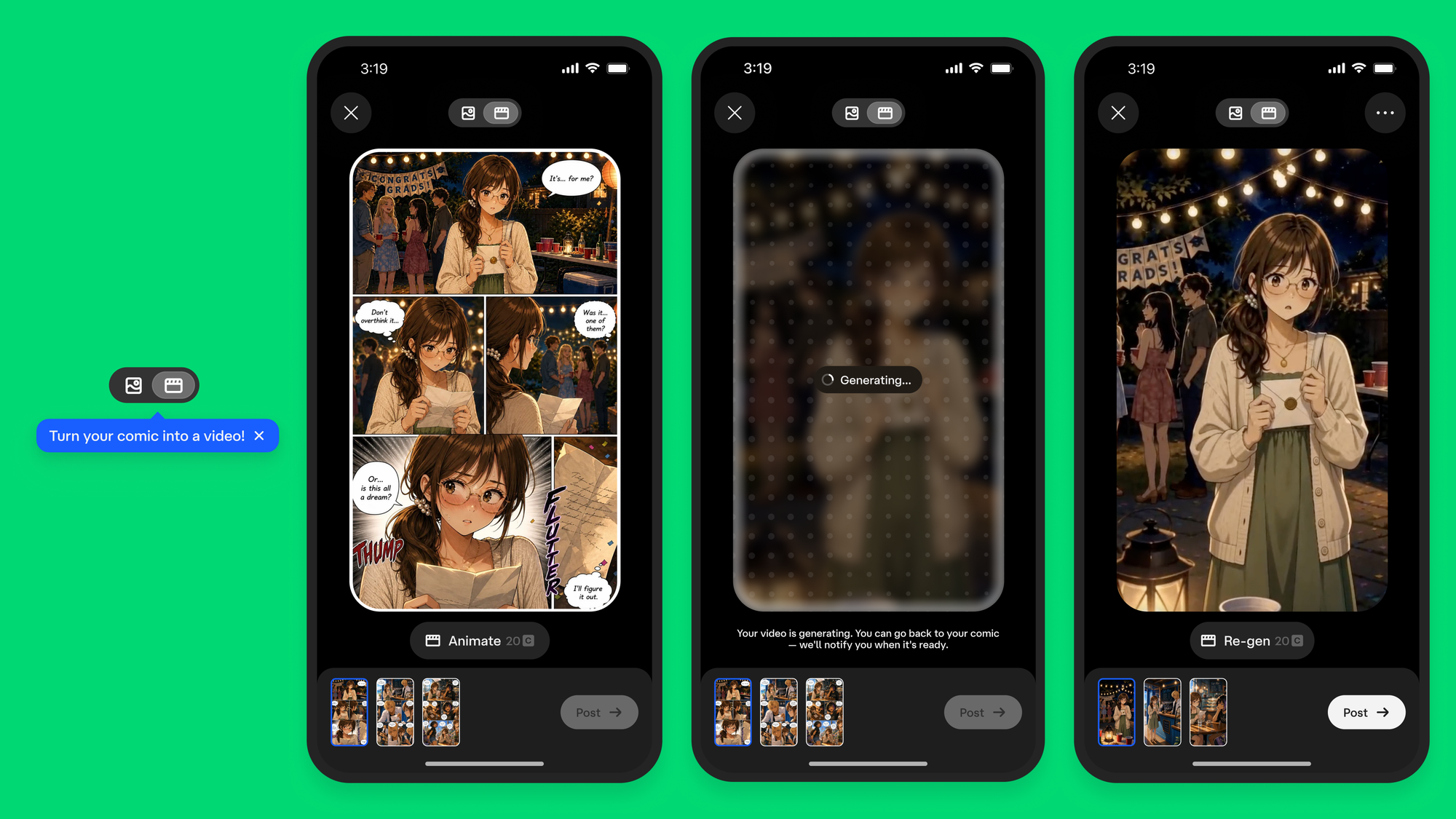
The company also says Animate Comics is coming soon. It’s designed to turn comic pages into an approximately one-minute anime-style video that creators can publish to the community. Since each comic already provides a sequence of panels, the pages can serve as a storyboard for this format. Character.ai hasn’t shared further details about the animation process or its availability.
Comics joins (c.ai) series, (c.ai) fm and (c.ai) reads in Character.ai’s connected collection of entertainment formats. The product’s early case rests on a clear premise: people who already build stories through chat may want to see those stories take visual form, add themselves to the cast and keep creating beyond one page. The next signals to watch are whether users return to make more comics, whether discovery helps those comics find readers, and how the planned tools change the creation process.
Character.ai points readers to community-made comics as examples of what users are creating.


