Best Phones You Can’t Buy Officially in the US: Oppo Find X10 Pro Max and More
Explore standout phones unavailable officially in the US, including the Oppo Find X10 Pro Max, with advanced cameras, long battery life, and strong value.
Phones you can’t officially buy in the US
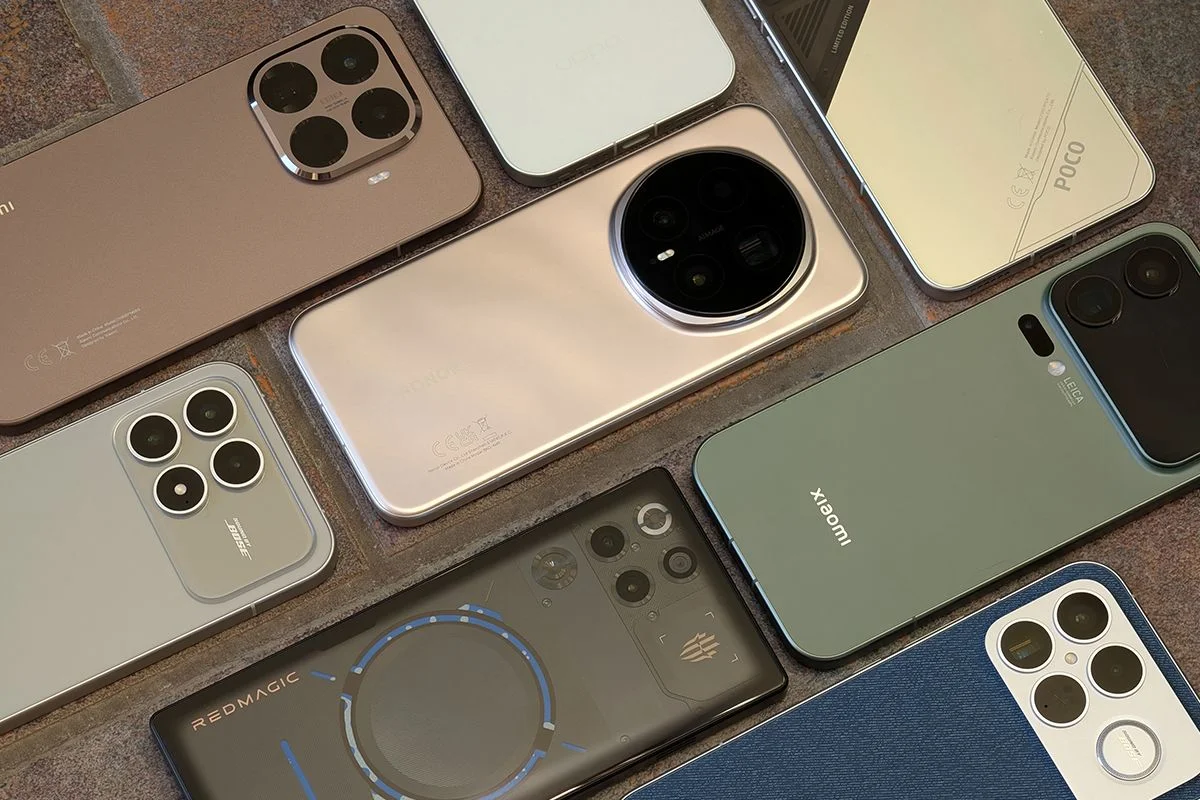
Some of the most compelling smartphones aren’t sold officially in the United States. That’s more than a regional shopping quirk: it leaves US buyers out of camera focused flagships and surprisingly capable budget phones, while manufacturers direct their attention to markets where Apple has less reach. Some Chinese brands also face restrictions in the US. The reasons vary, but the result is the same: plenty of excellent phones remain out of reach unless you’re buying abroad or importing one.
I’ve tested global handsets for years, and the names behind them can be confusing. Xiaomi also owns Poco and Redmi; Nubia grew out of ZTE; Honor split from Huawei after Huawei was banned in the US; and Realme spun out of Oppo. If you’re in the UK or elsewhere in Europe, many phones in our guides to the Best Android Phones, Best iPhones, and Best Cheap Phones are available to buy.
Updated October 2026: Added the Oppo Find X10 Pro Max and Nothing Phone (4b), plus mentions of the TCL P80 Ultra, Xiaomi Poco F9 Ultra and Pro, and Xiaomi Redmi Note 17 Pro Max. Removed older devices.
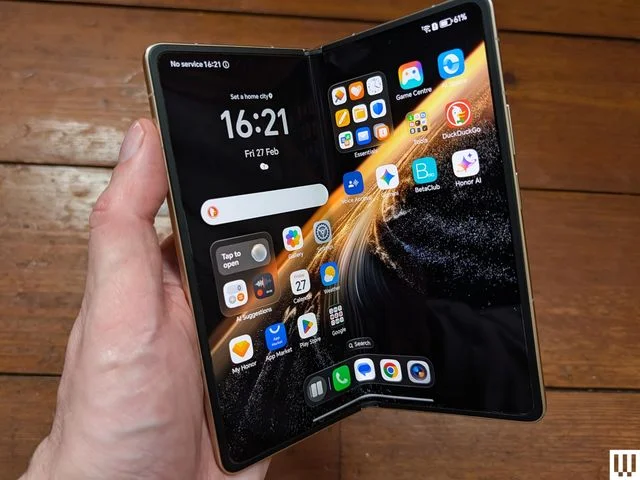
Oppo Find X10 Pro Max
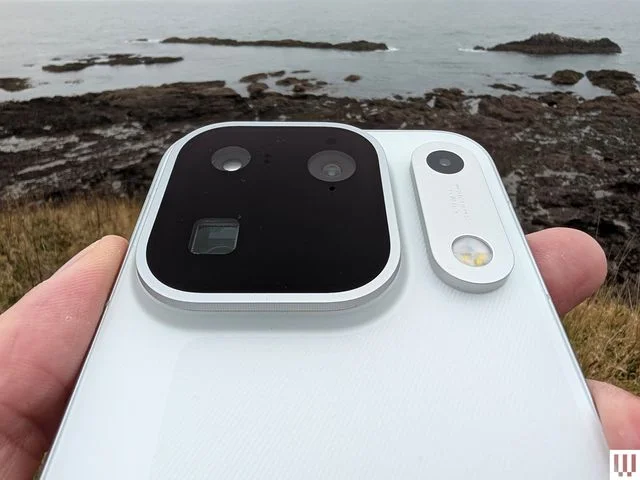
The Oppo Find X10 Pro Max makes a striking case for why these imports matter: its camera system puts three 200-megapixel rear cameras in one phone. That headline alone doesn’t guarantee great pictures, but in my testing the Hasselblad tuning helped keep color consistent across lenses, and the results handled light and detail well. The setup spans macro shots to 3X optical zoom, with cropping available for extra reach; a separate teleconverter kit takes optical zoom to 10X and beyond when paired with its special case and long lens.
Video is unusually ambitious, too: all three rear cameras can record 4K at 120 frames per second, or 8K at 30 fps. The phone pairs that camera hardware with a bright, crisp 6.78-inch AMOLED screen running at 144 Hz, a MediaTek Dimensity 9600 Pro, 12 GB of RAM, and 256 GB of UFS 4.1 storage in the base configuration. Its 7,150-mAh battery could last two days for casual users. Charging reaches 80 watts wired or 50 watts wirelessly with compatible gear; there are no Qi2 magnets.
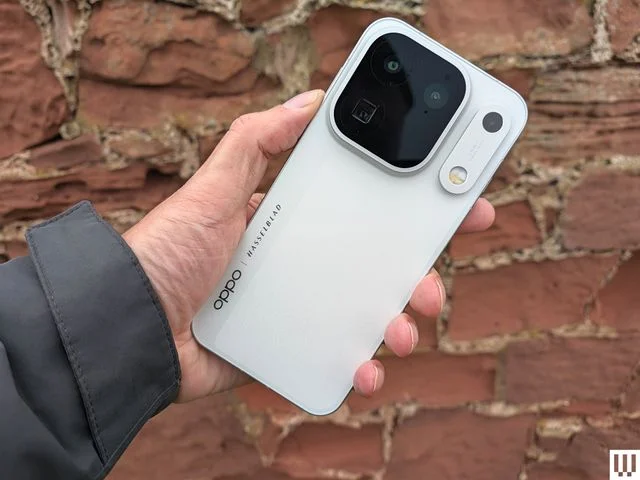
The polished build earns IP68/69 durability ratings, and ColorOS 17 on Android 17 is slick and highly customizable. Still, the software comes with plenty of preinstalled clutter, and its translucent design cues borrow heavily from Apple. For OnePlus fans, whose brand no longer operates in the US or Europe, Oppo’s flagship may be the closest alternative. The smaller Oppo Find X10 keeps much of the same package, including a 50-megapixel ultrawide, and costs £1,099.
| Specs |
|---|
| Display: 6.78-inch, 144-Hz LTPO AMOLED |
| Processor and RAM: MediaTek Dimensity 9600 Pro with 12 GB RAM |
| Storage: 512 GB |
| Battery: 7,150 mAh |
| Cameras: 200-MP main, 200-MP ultrawide, 200-MP telephoto (3–6X), 50-MP selfie |
| Updates (from date of manufacture): Five Android OS upgrades and six years of security updates |
| Extras: IP66/68/69, fingerprint unlock, NFC, proprietary fast charging (80W wired, 50W wireless) |
Xiaomi 17 Ultra
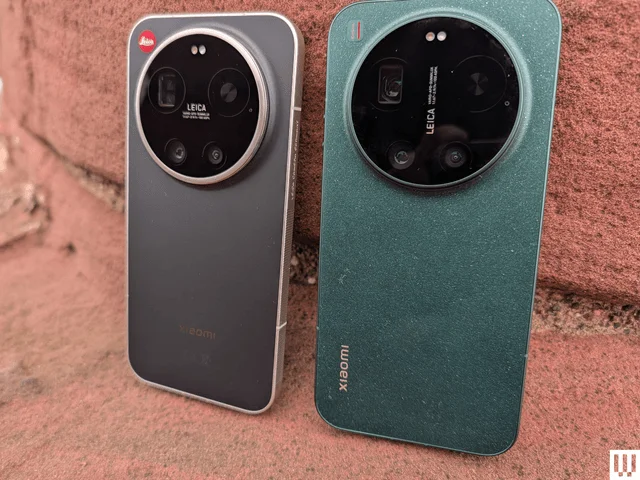
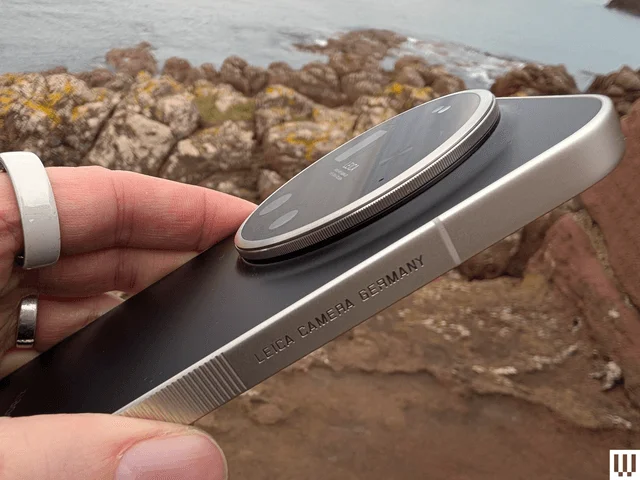
Xiaomi’s 17 Ultra is the runner-up, and its camera changes show why counting lenses can miss the point. The phone drops a rear camera compared with its predecessor, but the 50-megapixel main camera now uses a 1-inch sensor and lens pairing that produced strong results across different scenes. The 200-megapixel telephoto moves between 3.2X (75 mm) and 4.3X (100 mm) optical zoom. A 50-megapixel ultrawide and 50-megapixel selfie camera complete the system.
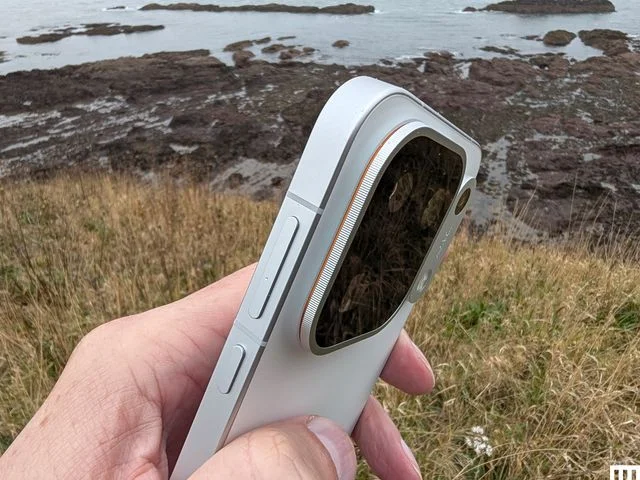
The rest of the package is high-end: a flat 6.9-inch OLED display, a fast processor, generous memory and storage, and improved battery life with fast wired and wireless charging. I’m partial to the speckled green finish; black and white are also available. Xiaomi promises four Android upgrades and six years of security patches. The tradeoffs are familiar: bloatware, HyperOS, a huge camera bump, and AI features that feel a little behind the competition.
Xiaomi’s Leica partnership continues in the pricier Leitzphone, listed at £1,699 (about $2,252). Its retro camera styling adds Leica touches inside and out while keeping the strengths of the Xiaomi 17 Ultra. The standard phone is already a substantial device, so that premium is mainly for buyers who want the Leica treatment.
| Specs |
|---|
| Display: 6.73-inch, 120-Hz LTPO OLED |
| Processor and RAM: Qualcomm Snapdragon 8 Elite Gen 5 with 16 GB RAM |
| Storage: 512 GB or 1 TB |
| Battery: 6,000 mAh |
| Cameras: 50-MP main, 50-MP ultrawide, 200-MP telephoto (3.2–4.3X), 50-MP selfie |
| Updates (from date of manufacture): Four Android OS upgrades and six years of security updates |
| Extras: IP68/69, fingerprint unlock, NFC, fast charging with proprietary charger |
Honor Magic V6
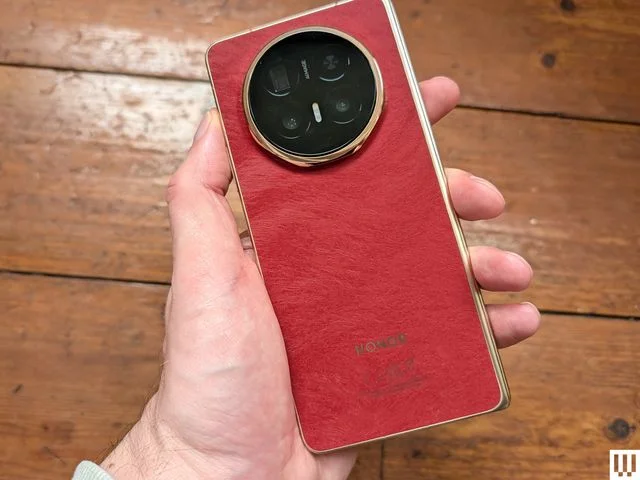
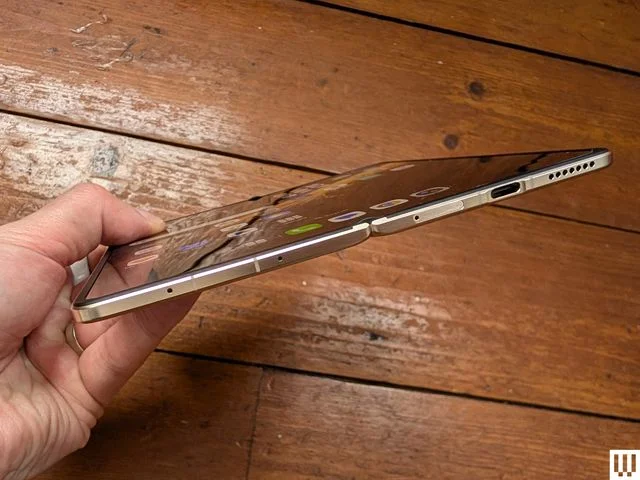
The Magic V6 is an incremental refinement of the foldable that first won me over with the Honor Magic V3. After the slightly improved Magic V5 (there was no V4), the V6 brings longer battery life, faster charging, and better durability in a familiar book style. It measures 4.1 millimeters open and 8.8 millimeters closed, though the camera bump remains large. A red and gold vegan leather version will divide opinion; black, white, and gold offer quieter alternatives.
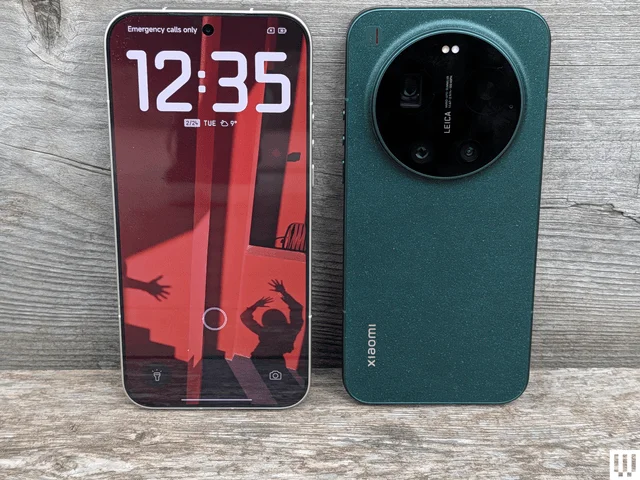
Closed, it feels close to a conventional phone. Open, it gives you a 6.52-inch outer screen and a 7.95-inch inner display, plus a versatile camera and a fingerprint reader built into the power button. MagicOS adds foldable and AI features that may prove useful, but the preinstalled apps are hard to love.
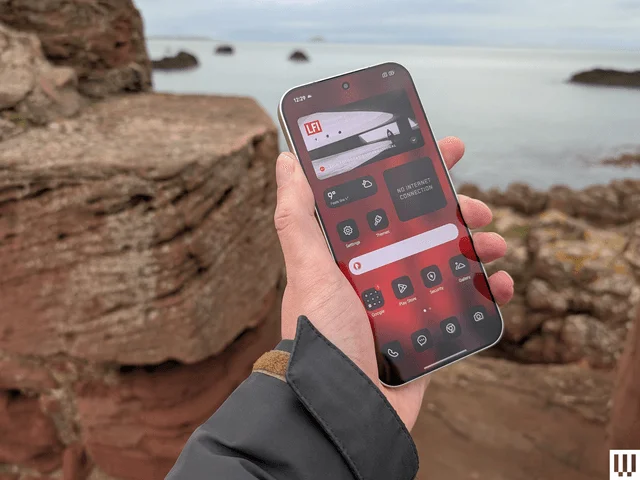
Foldables often compromise on cameras or end up with bulky camera islands. Honor has kept the V5’s camera system and trimmed the bump slightly, though it’s still prominent. Photos are strong in most situations; the Xiaomi 17 Ultra and Honor Magic 8 Pro are a little better. Even so, the V6 feels like a proper flagship, with excellent battery life, quick charging, smooth performance, and polished software. If Honor sold it in the US, it would be a serious contender in our Best Folding Phones guide.
Best Gaming Phone: Nubia Redmagic 11S Pro
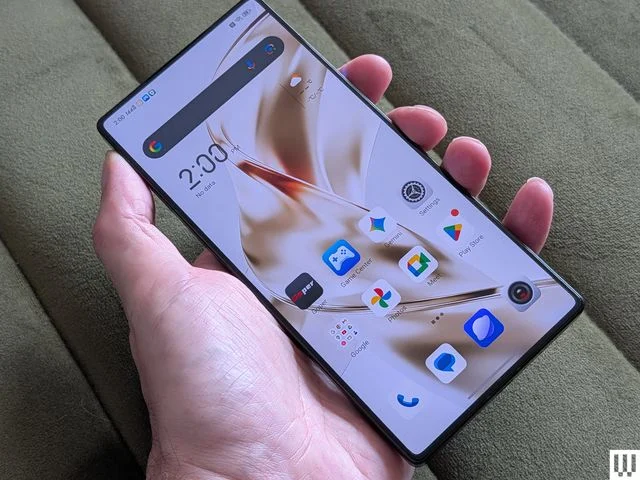
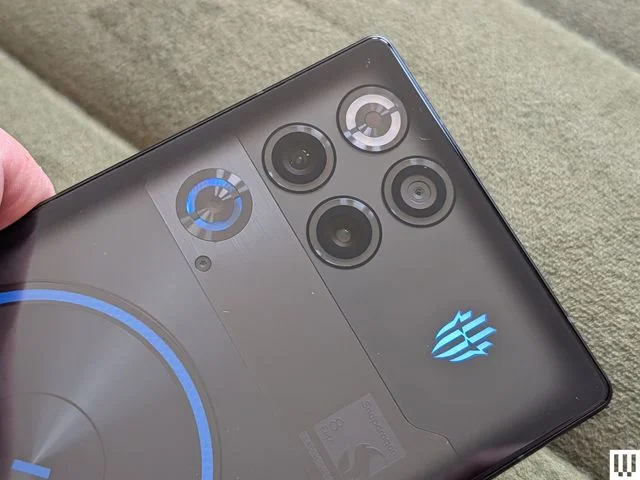
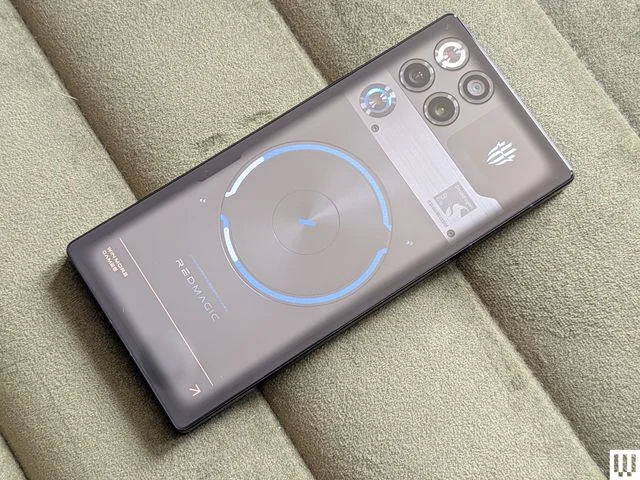
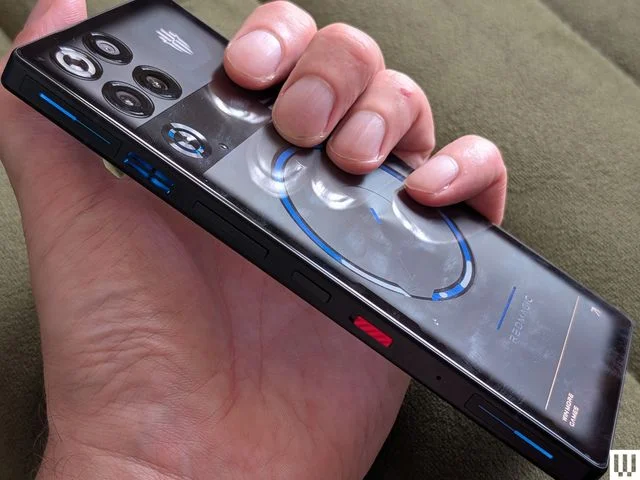 The Redmagic 11S Pro makes its case with hardware aimed squarely at gaming: a transparent body, built-in fans and RGB lighting, a nearly bezel-free 6.85-inch AMOLED screen, and a 144-Hz refresh rate. Its 7,500-mAh battery should help sustain long sessions, while capacitive shoulder triggers give your thumbs extra controls. Qualcomm’s Snapdragon 8 Elite Gen 5 is overclocked here and paired with LPDDR5T RAM and UFS 4.1 Pro storage. Cooling works well, and a dedicated game space and mode round out the setup. There’s Wi-Fi 7 and a 3.5-mm headphone jack, too.
That focus pays off if gaming is your priority: the phone can run demanding mobile games at high settings. But the 11S Pro is a small step in a long chain of small steps. It follows the 11 Pro, itself a modest revision of the Redmagic 10S Pro, which only slightly changed the 10 Pro. The newer model promises a faster processor and better cooling; the practical difference may be hard to spot, while the price increase won’t be. It still takes the gaming-phone slot largely because alternatives are scarce.
Away from games, the compromises are easier to see. The main 50-MP camera is passable, but the 50-MP ultrawide leaves out the telephoto lens I’d rather have, and the underscreen selfie camera is weak. The software also has rough patches. For the money, performance is impressive; as an everyday phone, the unchanged bulky design, camera and software make the bargain harder to justify.
| Specs |
|---|
| Display: 6.85-inch, 144-Hz, AMOLED |
| Processor and RAM: Qualcomm Snapdragon 8 Elite Gen 5 with 12 or 16 GB RAM |
| Storage: 256 or 512 GB |
| Battery: 7,500 mAh |
| Cameras: 50-MP main camera, 50-MP ultrawide, 16-MP selfie camera |
| Updates (from date of manufacture): Five years of Android OS upgrades and security updates |
| Extras: IPX8, fingerprint unlock, NFC, fast charging with proprietary charger, headphone jack |
Best Midrange Phone: Honor 600
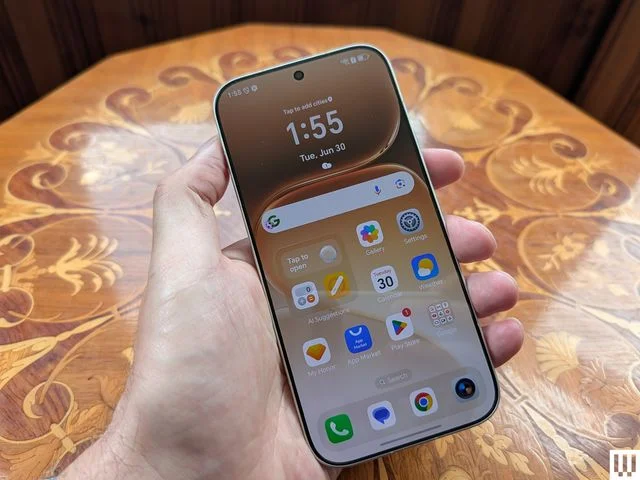
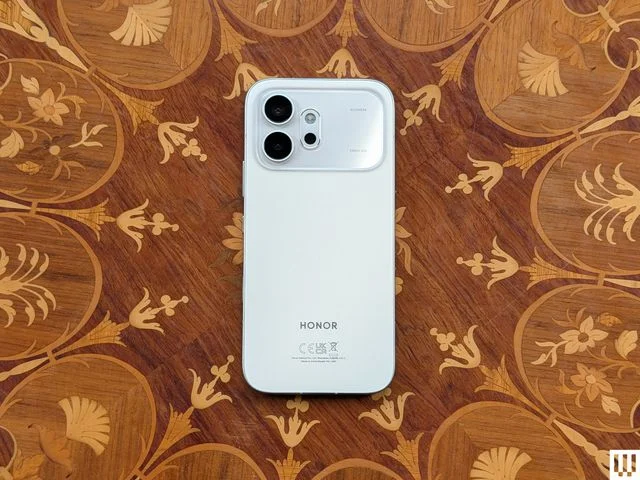
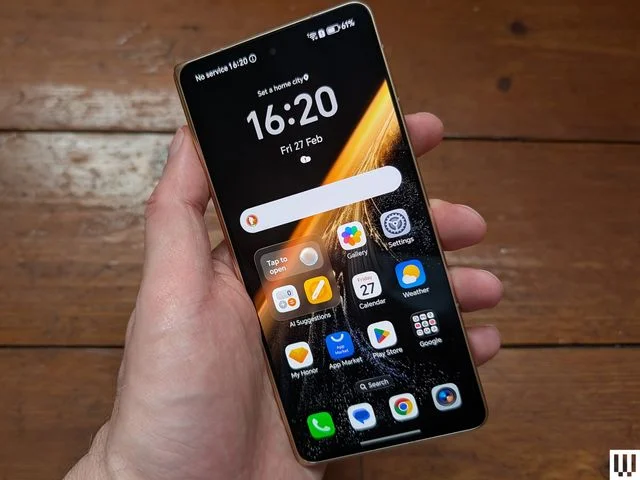
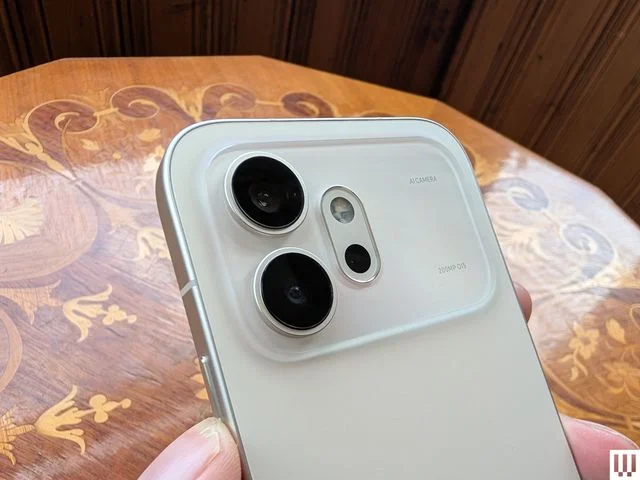 For under £400 at Amazon when this was written—about $533—the Honor 600 offers a bright, crisp AMOLED display, strong battery life, high water resistance and a very good 200-MP main camera. That camera also produces useful zoom by cropping, though it can’t replace a dedicated telephoto lens. The Snapdragon 7 Gen 4 handles everyday use comfortably; I could switch between apps and play Call of Duty: Mobile without trouble.
The look is less original: my review unit borrows the orange color and camera layout of the iPhone 17 Pro. It feels good in the hand, though, and can withstand a dunk in fresh water. Honor has also added AI camera features if you want to experiment with them. The battery is smaller than the version sold in China, but still lasts well and charges quickly over a cable. Wireless charging is absent.
The weak point is consistency. The 12-MP ultrawide is poor, Honor’s AI can push photos into unnatural territory, and unwanted preinstalled apps clutter the software. Eight gigabytes of RAM also feels tight. Still, price is the reason to choose the 600. The 600 Pro adds better performance and wireless charging, but costs hundreds more, making the standard model the more appealing deal.
| Specs |
|---|
| Display: 6.57-inch, 120-Hz, AMOLED |
| Processor and RAM: Qualcomm Snapdragon 7 Gen 4 with 8 or 12 GB RAM |
| Storage: 256 or 512 GB |
| Battery: 6,400 mAh |
| Cameras: 200-MP main camera, 12-MP ultrawide, 50-MP selfie camera |
| Updates (from date of manufacture): Six years of Android OS upgrades and security updates |
| Extras: IP68 and 69, fingerprint unlock, NFC, fast charging with proprietary charger |
Best Budget Phone: Nothing Phone (4b)
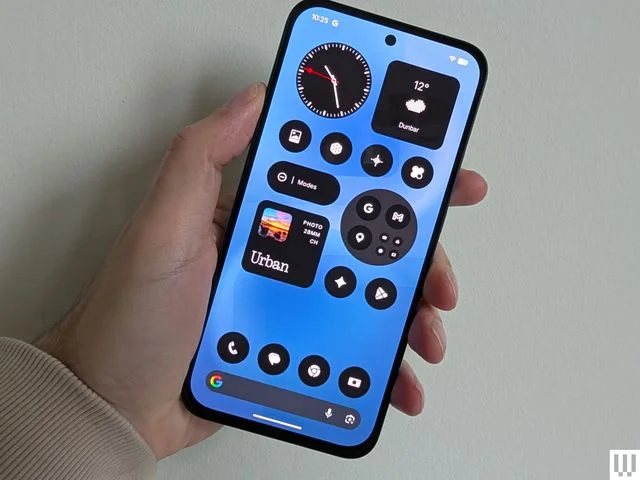
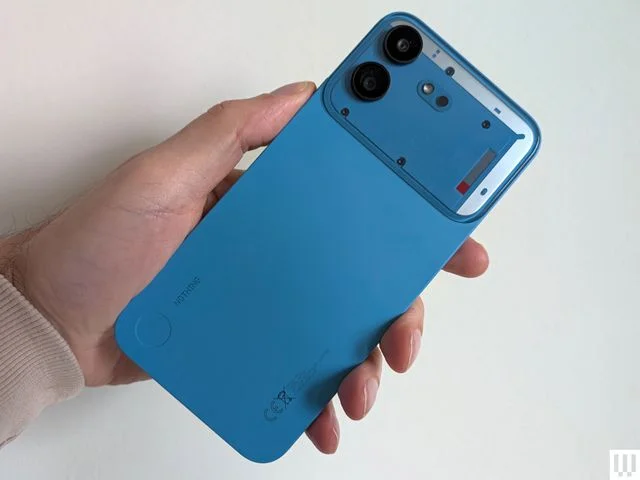
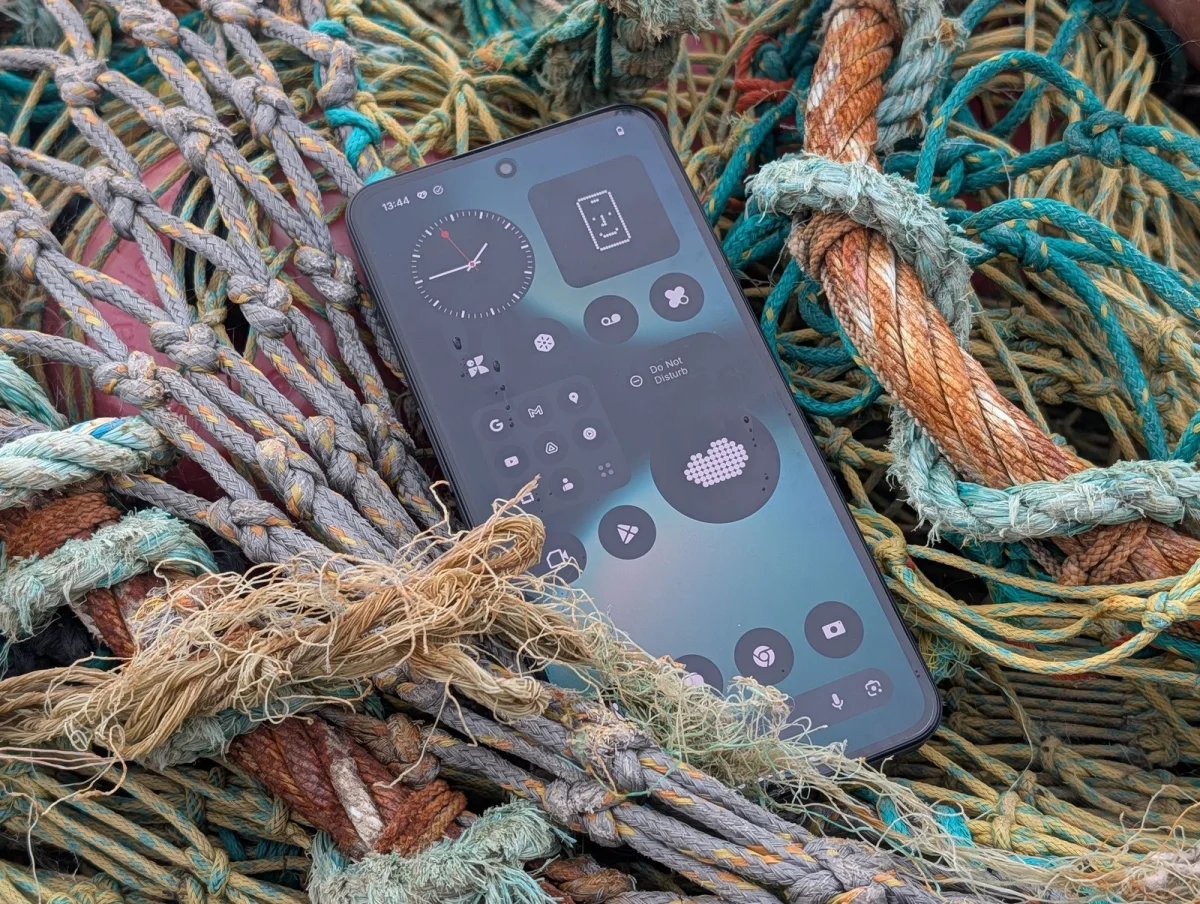
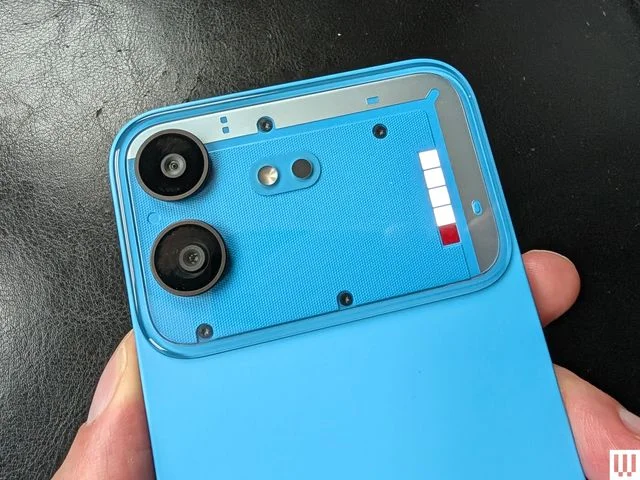 Nothing’s Phone (4b) has a welcome dose of personality in a category that often looks interchangeable. Its translucent industrial styling, bright colors and customizable LED Glyph Bar stand out, though this version tones down the look of the [Nothing Phone (4a) Pro](https://www.wired.com/review/nothing-phone-4a-pro/). The Glyph Bar can flash different colors or pulse for alerts and selected contacts; it’s fun, if a little gimmicky.
The 6.77-inch Super AMOLED screen and 5,200-mAh battery are the headline practical features. You also get an IP64 rating, stereo speakers and Nothing’s monochrome, retro-pixel software design. The 50-MP main camera is acceptable at this price. That matters in a budget market where rising prices and weaker sales have left shoppers with fewer options.
Performance is where the compromises show. A Snapdragon 6 Gen 4 and 8 GB of RAM can’t match a flagship: Asphalt Legends remains playable, with occasional dropped frames, and the camera app sometimes lags. The screen has larger bezels and doesn’t get as bright as more expensive phones. There’s no wireless charging, the 8-MP ultrawide is poor, and there’s no telephoto camera for zoom. I also found some bloatware. Even so, it’s the best option at this price right now.
| Specs |
|---|
| Display: 6.77-inch, 120-Hz AMOLED |
| Processor and RAM: Qualcomm Snapdragon 6 Gen 4 with 8 GB RAM |
| Storage: 128 or 256 GB |
| Battery: 5,200 mAh |
| Cameras: 50-MP main camera, 8-MP ultrawide, 16-MP selfie camera |
| Updates (from date of manufacture): Three Android OS upgrades and six years of security updates |
| Extras: IP64, fingerprint unlock, NFC, Glyph Bar |
Best Repairable Phone: Fairphone (Gen. 6)
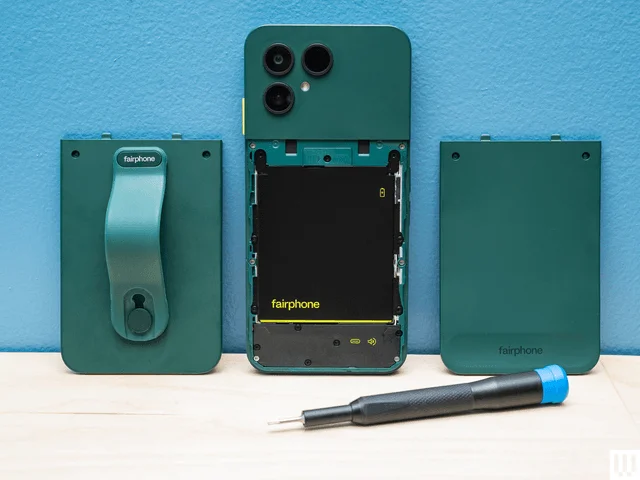
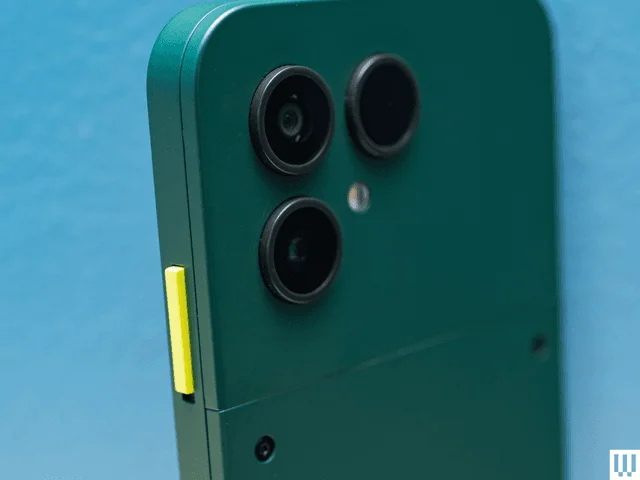
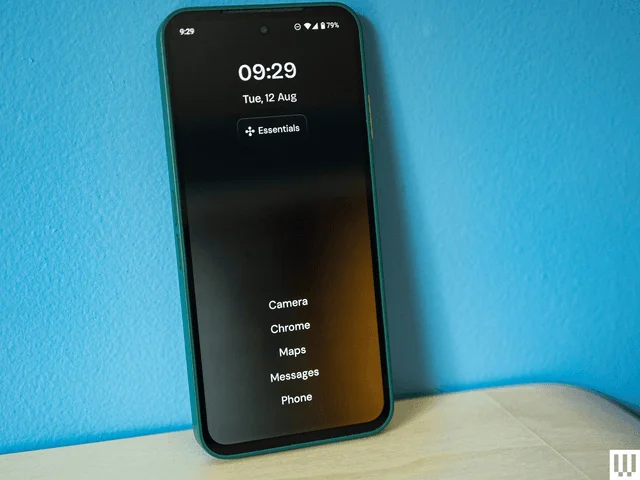 A perfect 10 on [iFixit’s repairability scale](https://www.ifixit.com/News/111613/fairphone-6-teardown-proof-phones-dont-have-to-be-disposable) is unusual, and the [Fairphone (Gen. 6)](https://www.wired.com/review/fairphone-gen-6/) earns that score while offering a more appealing phone than earlier Fairphones. It has modular accessories, a dedicated switch for a distraction-free mode and a respectable camera system. The company also emphasizes ethical sourcing, recycled materials and fair wages and working conditions.
You can find faster hardware for less elsewhere in this guide. The Fairphone doesn’t support wireless charging, and its IP55 rating is suitable for rain but not submersion. Its appeal is the combination of repairability and stated environmental and labor commitments—an unusual offering in a market with few ethical alternatives. US buyers can also get the newer [Fairphone (Gen 6+)](https://www.wired.com/review/the-fairphone-gen-6-plus/).
| Display: 6.31-inch, 120-Hz LTPO, P-OLED |
|---|
| Processor and RAM: Qualcomm Snapdragon 7s Gen 3 with 8 GB RAM |
| Storage: 256 GB |
| Battery: 4,415 mAh |
| Cameras: 50-MP main camera, 13-MP ultrawide, 32-MP selfie camera |
| Updates (from date of manufacture): Seven Android OS upgrades and eight years of security updates |
| Extras: IP55, fingerprint unlock, microSD, modular accessories, NFC |
Other Good International Phones
Still looking? These alternatives may fit a more specific need.
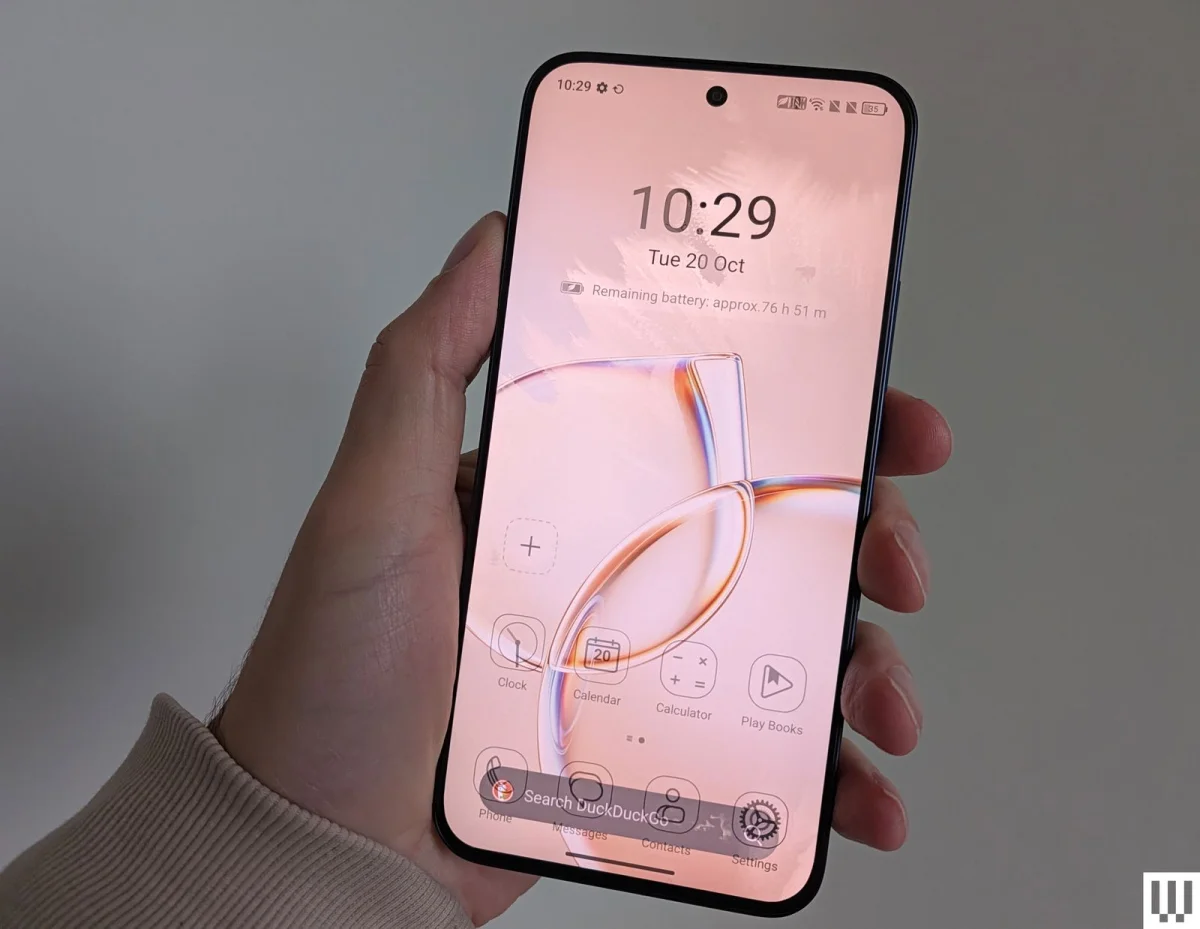
TCL P80 Ultra for £480: Its 6.8-inch AMOLED panel can switch to an e-ink display, and the screen’s matte finish makes long reading sessions more comfortable even in AMOLED mode. The camera setup includes a decent telephoto lens, and battery life is solid. The trade-offs are a plain design and occasional sluggishness, which make £480 a difficult price to swallow. If reading is your main use, those compromises may be acceptable.
Price is the problem running through this list: several phones are good, but their launch prices make them hard to recommend. Xiaomi’s high suggested prices and frequent discounts muddy the value calculation, especially for the Xiaomi Poco F9 Ultra for £999 and F9 Pro for £799. Both deliver attractive displays, long battery life, strong performance, stereo speakers and flexible triple-camera systems; the Ultra is the larger, slightly more capable model. But Poco’s move away from its budget-phone roots is hard to ignore. At the discounts I’ve seen—£669 for the Ultra and £579 for the Pro—they make more sense.
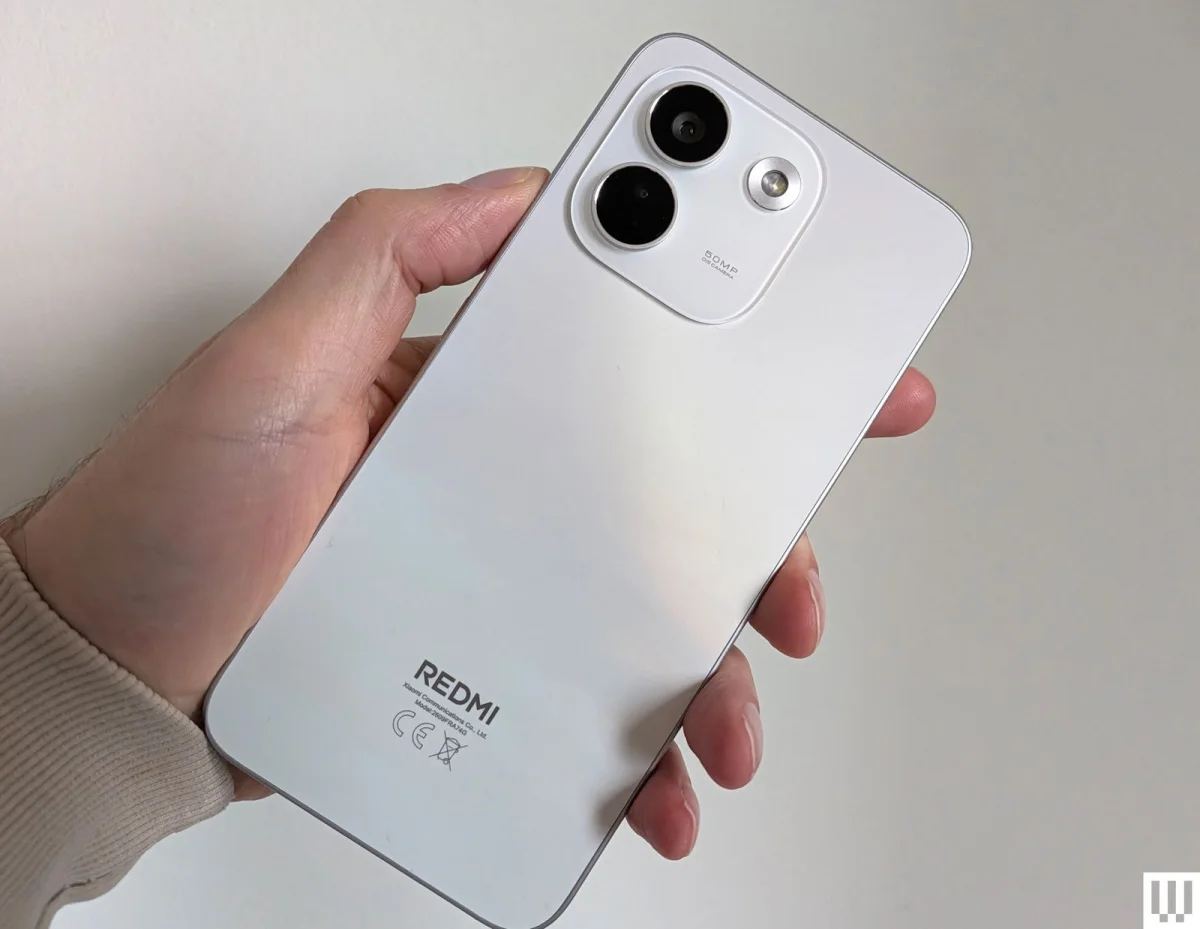
The Xiaomi Redmi Note 17 Pro Max for £499 has a clearer strength: its huge battery can last two days, and the large screen, sturdy build and impressive durability all help it make a good first impression. The trade-offs are substantial: performance is average, the camera is limited, and the phone comes loaded with bloatware. Unless battery endurance is your main concern, I’d look elsewhere.
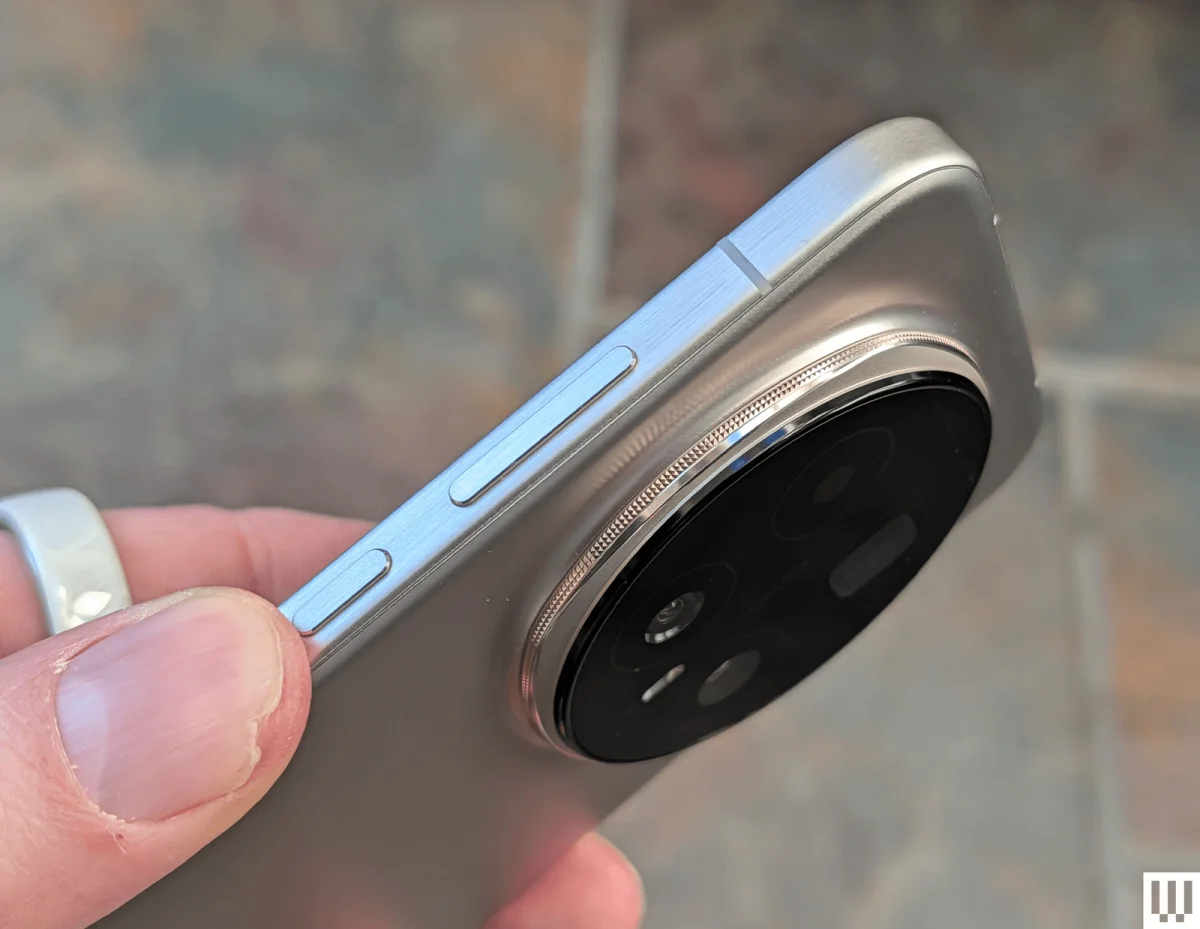
Honor Magic 8 Pro for £894 is a much more polished proposition, though its successor is due soon, so I’d wait for a discount. The phone improves on Honor’s Magic 7 Pro with a slimmer design, subtle curves, a larger silicon-carbon battery, and a versatile camera that reaches 3.7X optical zoom. It’s particularly good at night and at keeping shots steady, though image processing can overdo things. The 6.71-inch display is sharp and bright, and Android 16 with Magic OS 10 feels slick. Honor AI can be useful for photo edits and tasks that respond to context, with a dedicated button to summon it; Google Gemini is an alternative. If you’re skeptical of AI features, this probably isn’t your phone. The rest of the package is convincing: secure face unlock, 100-watt wired and 80-watt wireless charging with compatible equipment, and seven years of Android and security updates. There are few obvious weaknesses, but timing matters at this price.

For less money, the Xiaomi Poco X8 Pro for $390 (£479) is the best value in this group. Its 6.59-inch AMOLED screen is smaller than the discontinued F7’s, and the base version pairs a MediaTek Dimensity 8500 Ultra with 8 GB of RAM. Performance feels solid, though my review unit had 12 GB. The smaller body is easier to hold; the 6,500-mAh battery lasts well, and 100-watt charging fills it in less than an hour. Its 50-MP main camera is capable, but the 8-MP ultrawide and 20-MP selfie camera disappoint. You can choose mint green, black or white. Xiaomi’s software still brings too much bloatware, but support covers four Android versions and six years of security updates. Wireless charging is absent, as is typical at this price.

If battery capacity matters more than size, the Poco X8 Pro Max for $510 (£599) steps up to an 8,500-mAh cell, a larger screen, a faster processor and Wi-Fi 7.

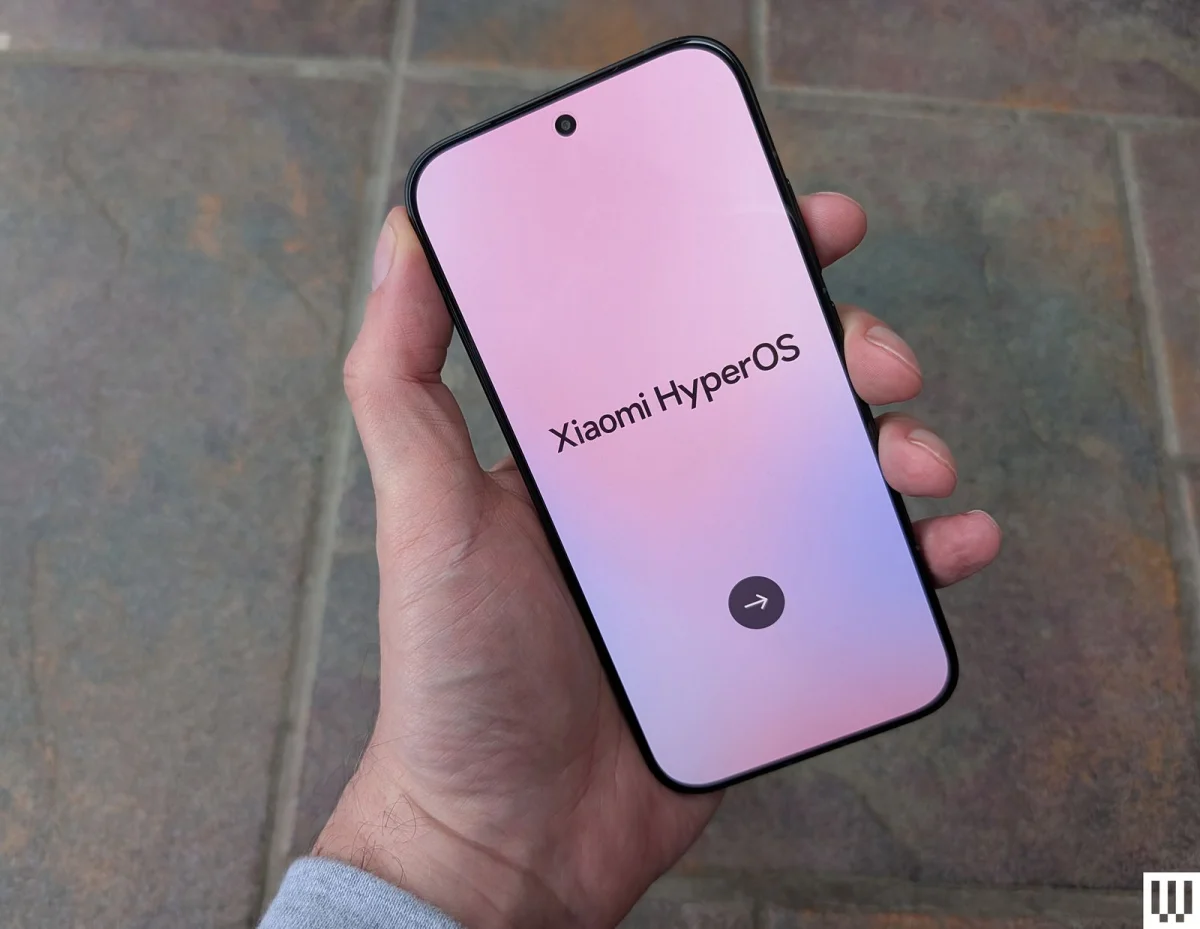
Xiaomi 17T for £649 and 17T Pro for $780 would have been contenders for the best midrange pick if Honor hadn’t priced its phones so aggressively. Against the Honor 600, the 17T offers a little more speed, more RAM and a camera with better zoom that performs more consistently. You’ll have to put up with bloatware and adjust the software to get the best out of it. The Pro adds wireless charging, a larger battery and display, and a faster chipset. It’s also expensive enough to stretch the meaning of “midrange.”

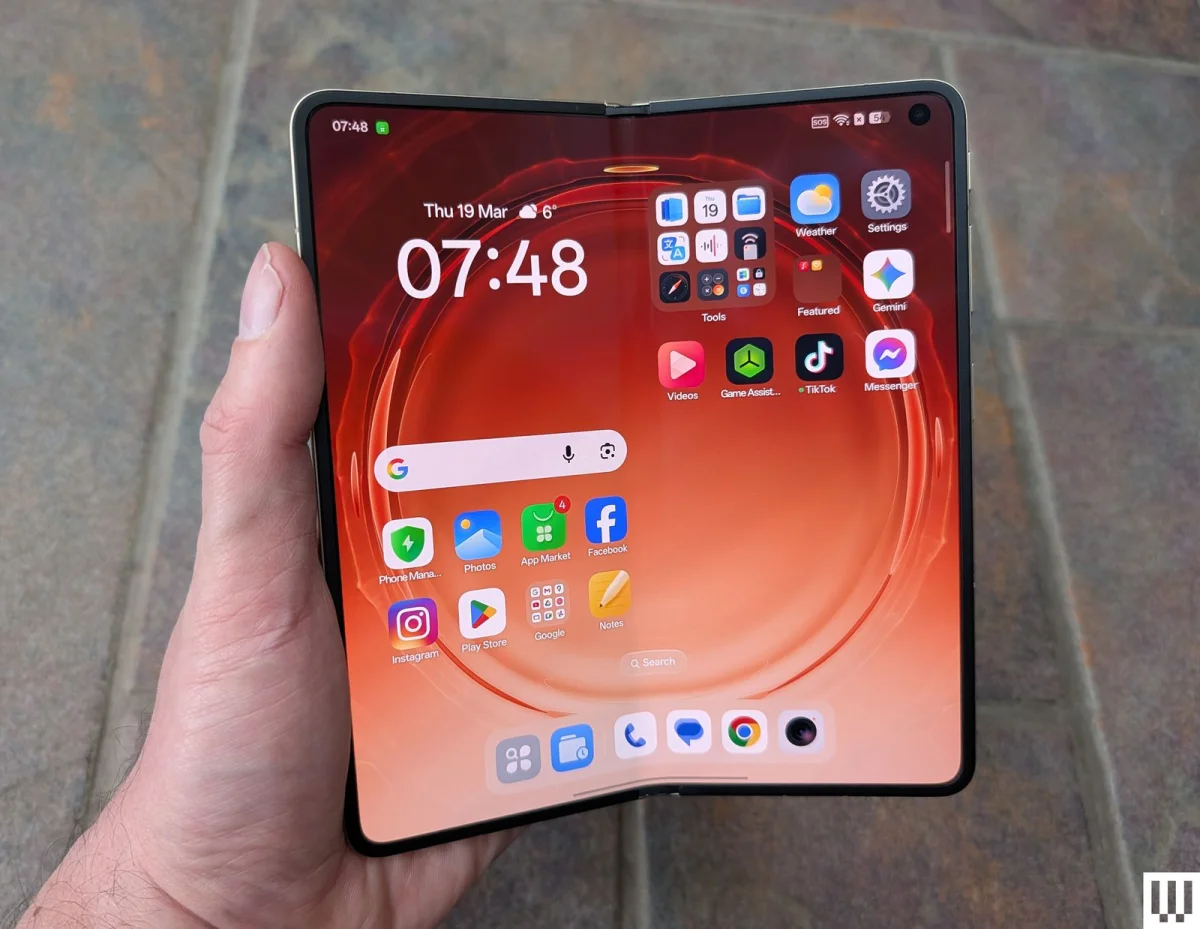
The Oppo Find N6 for $1,899 makes a strong case for foldables on hardware alone. Its 8.12-inch display sits in a remarkably slim, light body, and performance is smooth enough for a busy day; the camera system is excellent, too. Oppo’s claim of a creaseless fold doesn’t quite hold up: you can still see the crease, and feel it with the optional stylus, though it fades into the background during normal use. Compared with last year’s N5, the camera upgrade is considerable: a 200-MP main sensor, 50-MP telephoto and 50-MP ultrawide. It still can’t match the Xiaomi 17 Ultra above. The global model runs familiar Google apps, but you’ll need to import it because there’s no official Western launch. That makes Honor’s foldable the easier recommendation.


The Xiaomi 17 Pro Max for $1,129 puts a second, smaller screen on the back, beside the camera lenses. Xiaomi has found several uses for it: previewing selfies taken with the main camera, controlling music, changing themes and displaying virtual pets. A retro gaming case even lets you play Angry Birds, though that’s a curious use for a phone with a 6.7-inch screen on the other side. Beyond that display, this is a familiar Xiaomi specs-heavy flagship. The 17 Pro is similar, and neither model has an official release outside China.

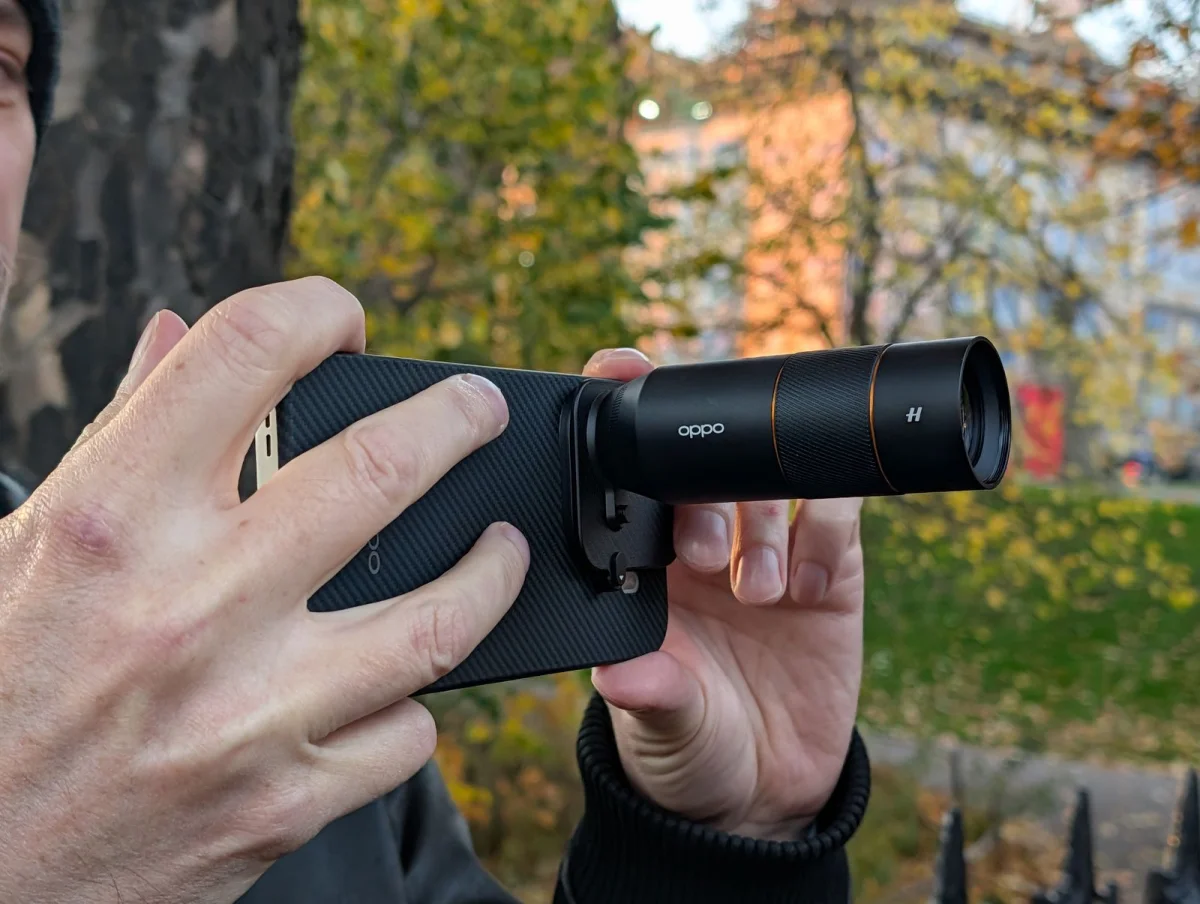
For photography, the Oppo Find X9 Pro for £1,099 is hard to overlook. Its 200-MP telephoto camera gives 3X optical zoom and can produce good 6X shots by cropping to 50 megapixels. The optional Hasselblad Teleconverter Kit ($400) adds another 3.28X zoom. It attaches to the case, but the large lens is awkward without a tripod. Three further 50-MP cameras support 4K HDR video at 60 fps, giving creative users plenty to work with. Other headline specs include a flat 6.78-inch screen, IP66/68/69 protection and a 7,500-mAh silicon-carbon battery rated for two days.

Xiaomi Poco F8 Ultra for £649 and F8 Pro for £406 show Poco trying out a more playful identity, though Xiaomi’s own 15T Pro is the better buy at this level. The Ultra’s denim back is unusual enough to be either a selling point or a reason to pass. It also brings Bose-tuned speakers, a bright 6.9-inch display, a 6,500-mAh battery, Snapdragon 8 Elite Gen 5 performance, generous memory and storage, and three 50-MP cameras. The smaller F8 Pro has similar specs, which makes it the better deal.
Honor Magic 7 Pro for $985: The Magic 7 Pro has a strong three-camera setup, a beautiful 6.8-inch screen, fast performance and good battery life. Its dual IP68 and IP69 ratings cover dust and water, while Magic OS includes polished AI features. Honor also committed to seven years of Android version and security updates for this model. Watch for a large front camera cutout, image processing that can be heavy-handed, and an ultrawide camera that doesn’t keep pace with the other two.
The Doro Aurora A20 for £250: Swedish maker Doro focuses on accessible devices for older people, including phones and a decent video doorbell. The Aurora A20 takes an unusual route toward touchscreen use: picture an old candy-bar HTC Android phone with a flip-out keypad below it. A help alarm, roomy keys and simplified software show thoughtful design, and the price is modest. In use, though, it feels slow, its camera is poor, and the body is bulky and heavy.
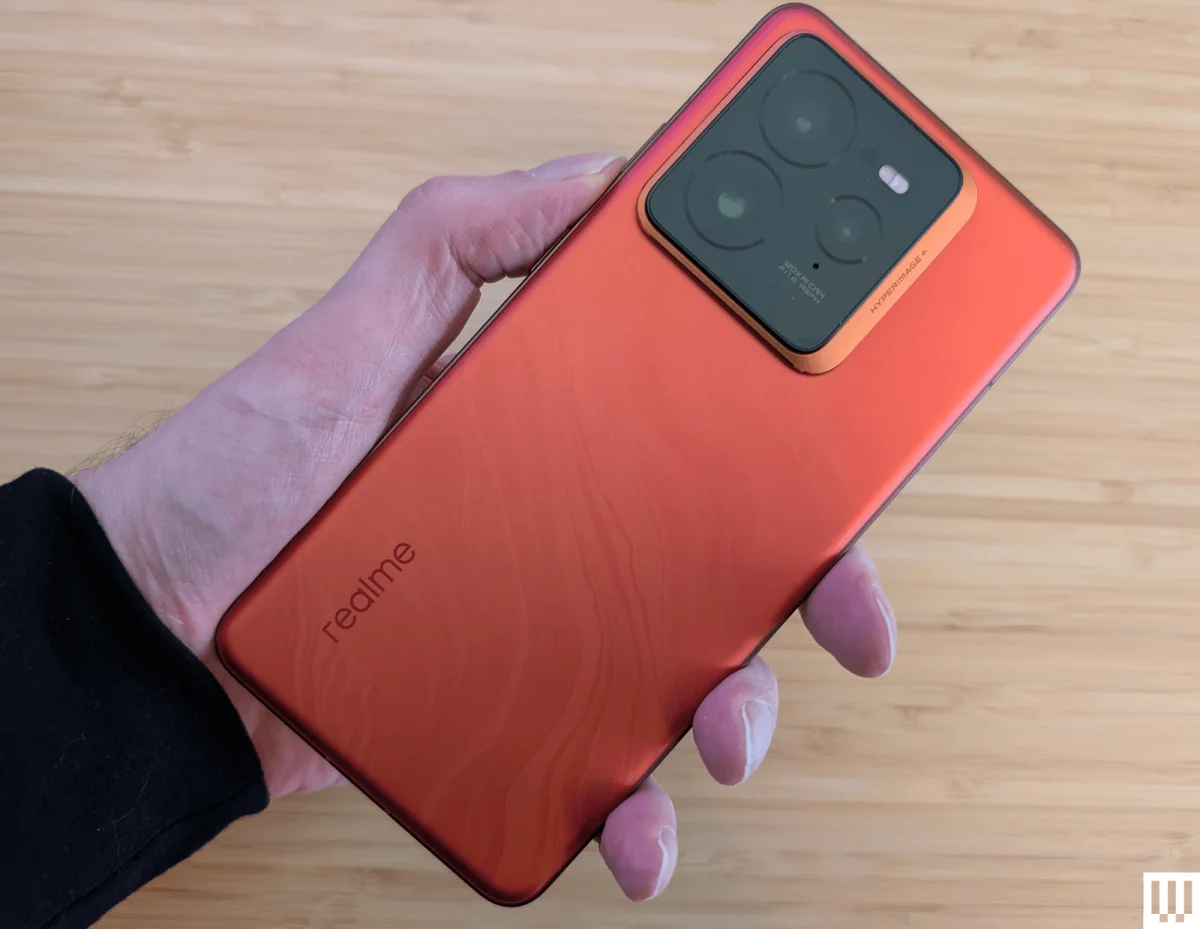
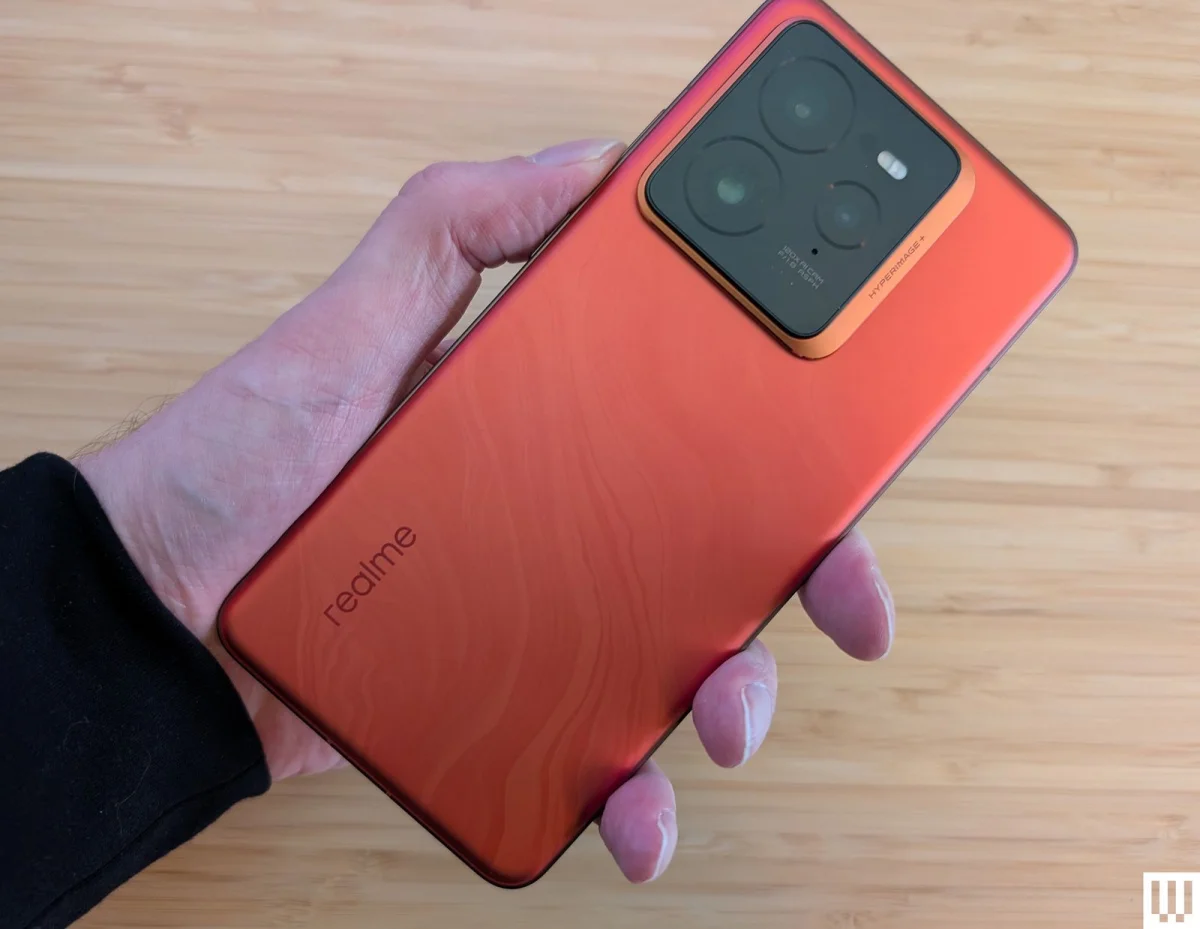
The Realme 14 Pro+ for €369 has a color-changing back that’s more entertaining than useful, but the phone looks and feels pricier than it is. Its specs lean positive: three cameras, IP68/69 water resistance, a 6,000-mAh battery and a 6.83-inch OLED panel with a 120-Hz refresh rate. The Snapdragon 7s Gen 3 is the limiting component. There’s no wireless charging or charger in the box, but the overall package remains a bargain.
If you want a smaller handset, consider the Xiaomi 15 for $690. It feels good in the hand, and its 6.36-inch display, capable three-camera system and high-end internals make for a strong compact phone. The design plays it safe, while the software brings the usual bloatware problems.
Honor Magic 7 RSR for £1,550 is the Porsche-designed, higher-spec take on the Magic 7 Pro. It swaps in a hexagonal camera housing, a slightly improved telephoto camera, 24 GB of RAM, 1 TB of storage and a larger 5,850-mAh battery. It’s handsome, but those upgrades don’t warrant the price premium.
Avoid These Phones
There are decent phones among the ones I’d skip, but the alternatives listed above are better buys for most people.