Google Fitbit Edge Review: A Brighter Screen, Better Health Tracking, and No Wallet
The $180 Fitbit Edge adds repairability, richer health metrics, and a bright screen, but its missing contactless payments leave the cheaper Air appealing.
Google’s $180 Fitbit Edge gives screen-loving Fitbit users a substantial hardware and health-tracking update, with a bright display, more workout data, and a replaceable battery. After 12 days of testing, I’d recommend it to Charge 6 owners considering an upgrade. But the missing contactless payments and a $80 gap over the screenless Fitbit Air make the Edge a harder sell for newcomers.
The Edge arrives after Google went without a new screen-equipped Fitbit tracker since 2023. At $20 more than the Charge 6 and $80 more than the Air, it sits between those trackers and the $400 Pixel Watch 5. That middle ground is useful: the Edge pairs some smartwatch conveniences with Fitbit’s longer battery life and compatibility with both iOS and Android. Still, the Air remains my preferred pick if a wrist display isn’t a priority.
A Screen That Helps During Workouts
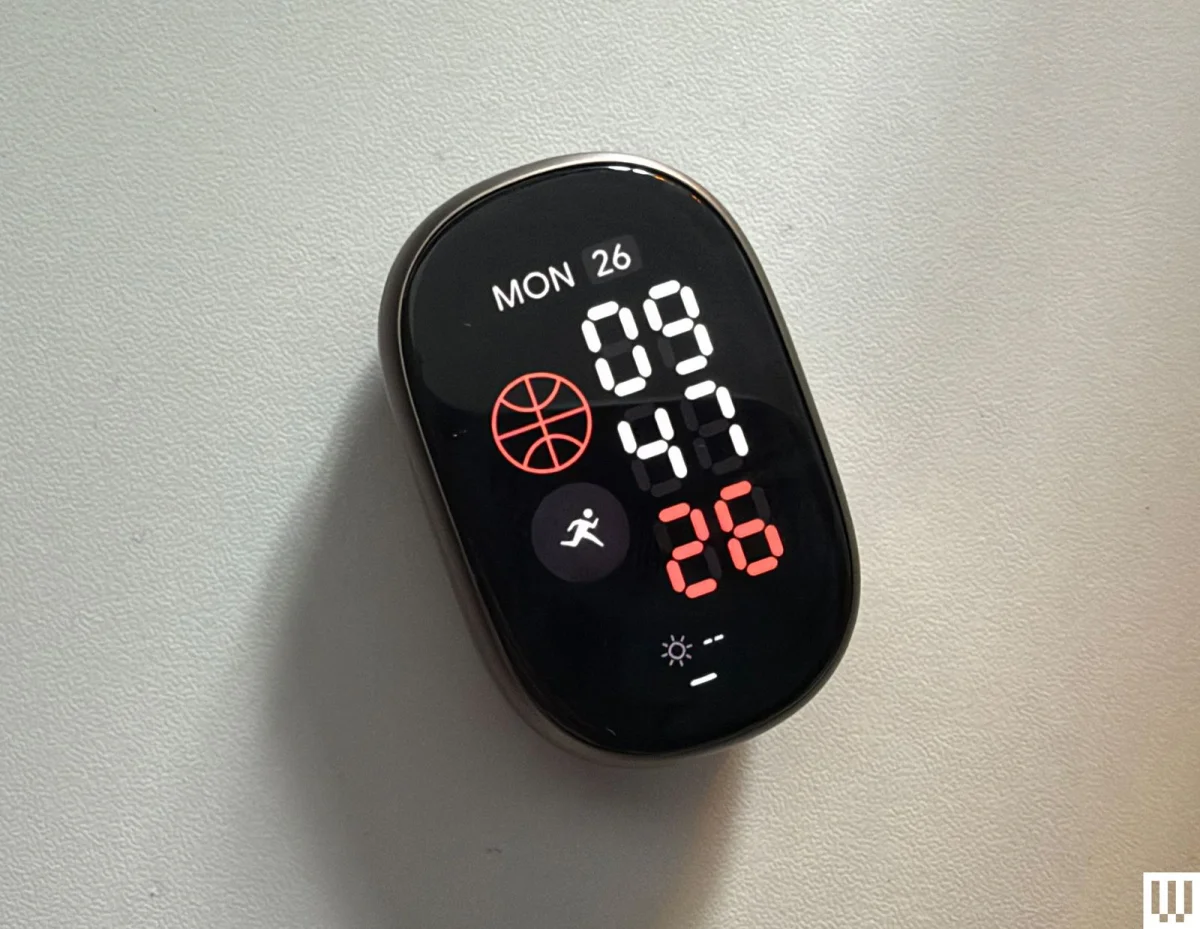
The 1.34-inch AMOLED display is the Edge’s clearest advantage over the Air. During outdoor runs, I could check live metrics and change music without breaking stride. The screen reaches roughly twice the Charge 6’s maximum brightness, which made the readouts easier to see in direct sunlight. Google Maps directions also appear on the wrist, handy when running or cycling without repeatedly taking out a phone.
That display comes in a more rounded capsule shape than the Charge 6’s rectangular body. The Edge measures 39.2 x 25.5 x 11.5 mm, compared with the Charge 6’s 36.73 x 23.09 x 11.20 mm. I found the Edge comfortable through the day and overnight, and its shape sat naturally on my wrist. It could suit people who find a Pixel Watch or Apple Watch too bulky to sleep in.
Fitbit’s interface is less colorful than Wear OS, and its watch faces feel basic beside Google’s smartwatch software. The tradeoff is endurance: the Edge is rated for up to seven days of battery life, while the Pixel Watch 5 can’t match that figure. The Edge also works with iPhones as well as Android phones.
More Health Data, With a Subscription Attached
Google has expanded the health and fitness toolkit beyond what the Charge 6 offers. The Edge tracks heart rate around the clock, adds cardio load metrics, and updates its ECG app with atrial fibrillation detection. It also reports nightly blood oxygen readings, including averages, ranges, and changes over time. Monthly blood pressure and insulin resistance trends are available, as are nutrition logging and glucose insights for people using a continuous glucose monitor.
Much of the deeper analysis sits behind Google Health Premium, priced at $10 per month or $100 per year. The Edge includes a three-month trial. Without a subscription, owners still get core measurements and scores, but lose access to the more detailed analysis and AI coaching. That makes the membership a significant part of the product’s full feature set, rather than a minor extra.
The hardware fills in some gaps too. A barometric altimeter measures changes in elevation and floors climbed, and the Edge has 5 ATM water resistance alongside an IP68 rating for dust and water. Its adjustable-brightness display can show workout data and visual guidance directly on the device.
Google has also made the Edge its first repairable fitness tracker. Its modular construction includes a replaceable battery, a practical change for a device people may wear every day for years. The published specifications list a 65 mAh battery and sensors including an altimeter, accelerometer, gyroscope, optical heart rate sensor, oxygen sensors, and temperature sensors.
Band Choices and Two Missing Features
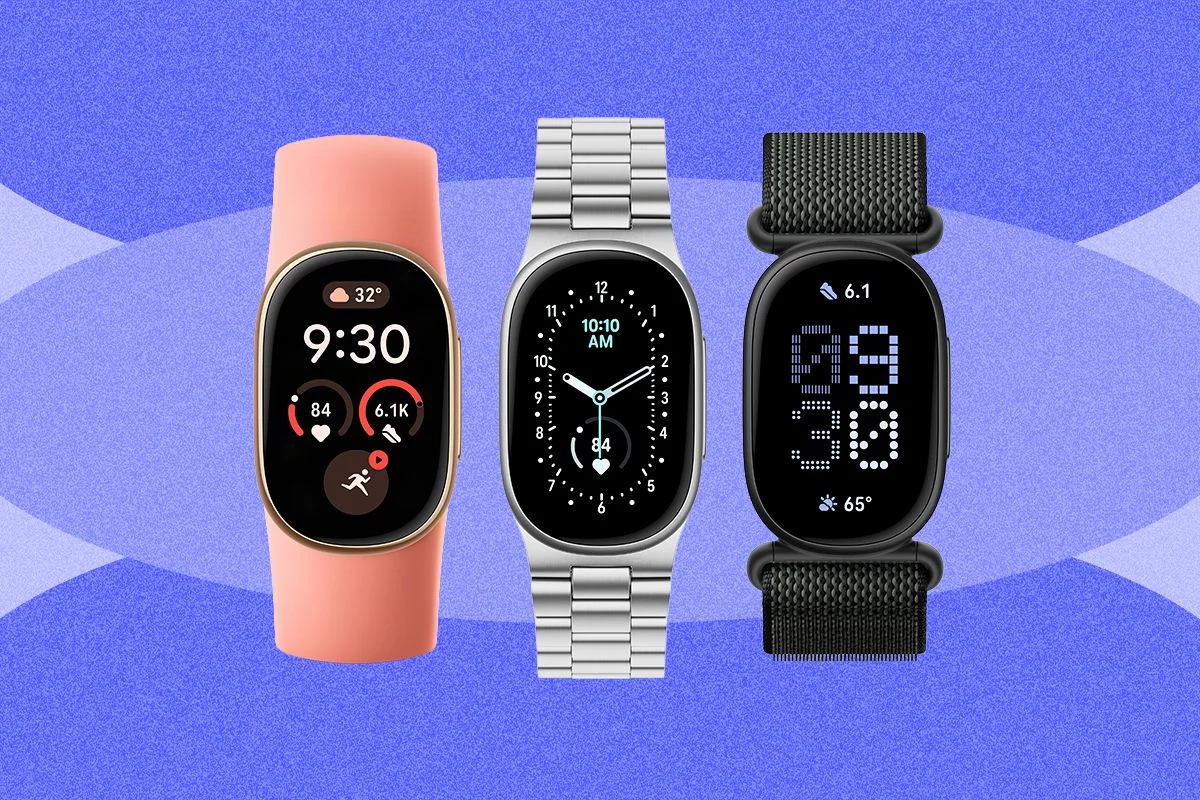
The included Active Band works for exercise, though Google offers other options: Active Sport, Performance Loop, silicone Magnet, and Metal Links. I preferred the Metal Links band for dressier settings and the Performance Loop for everyday wear. The loop’s adjustable fit made it easy to find a comfortable size, but I sometimes tightened it too far. Its fastening also occasionally came loose on one side while I adjusted it. I eventually found the locking button stuck and had to work it free.
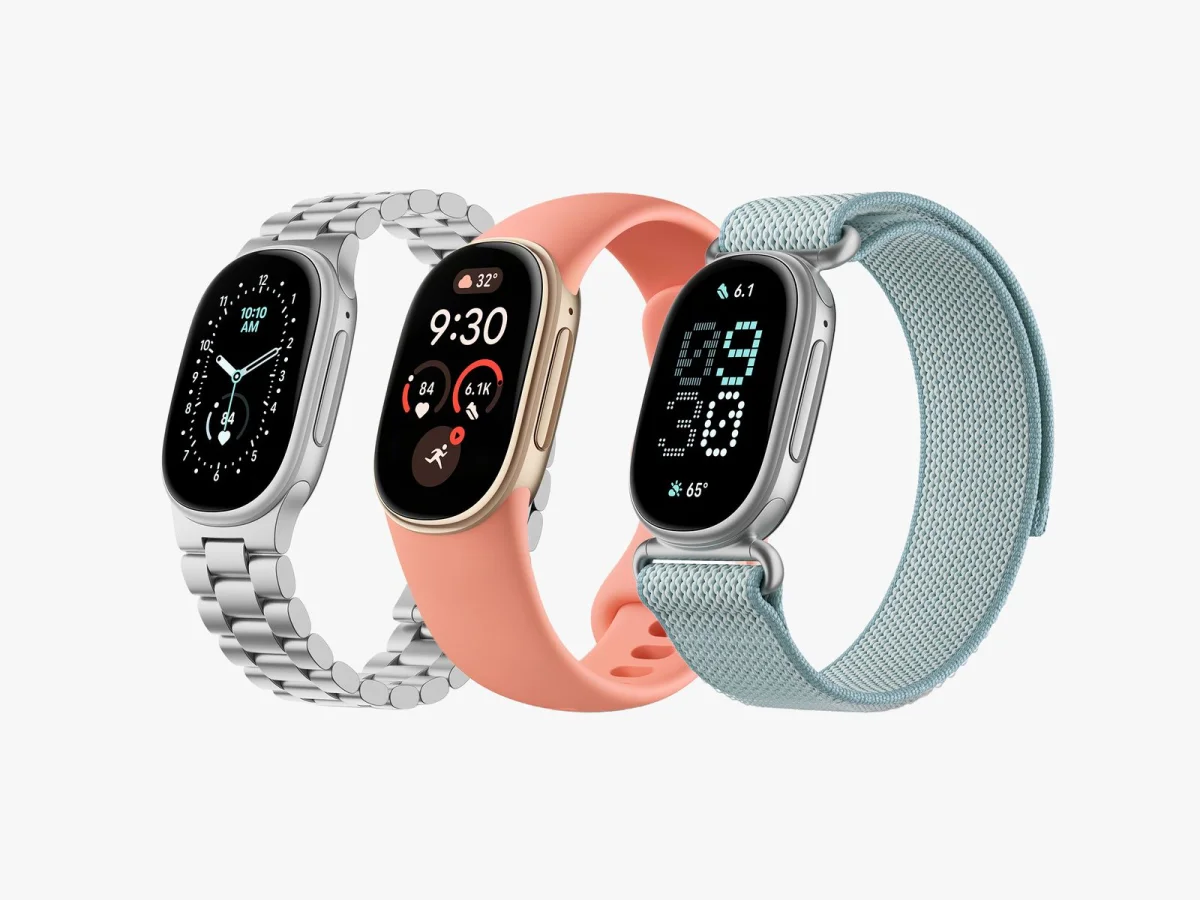
The Fitbit Edge in brushed silver with Metal Links band (left), in Canyon with Active band (middle), and in Fog with Performance Loop band (right)
Courtesy of GoogleA gyroscope helps the Edge recognize activities automatically, including pausing a run when the wearer stops and resuming when movement begins. In my testing, the resume behavior was too sensitive: a single step while catching my breath could restart the workout. It’s a small annoyance, but it means the automatic controls sometimes need correction.
The bigger omission is NFC. The Charge 6 supports contactless payments; the Edge doesn’t. I rarely leave home without my phone, so I didn’t miss the feature much personally, but its absence weakens the Edge’s case as an everyday smartwatch.
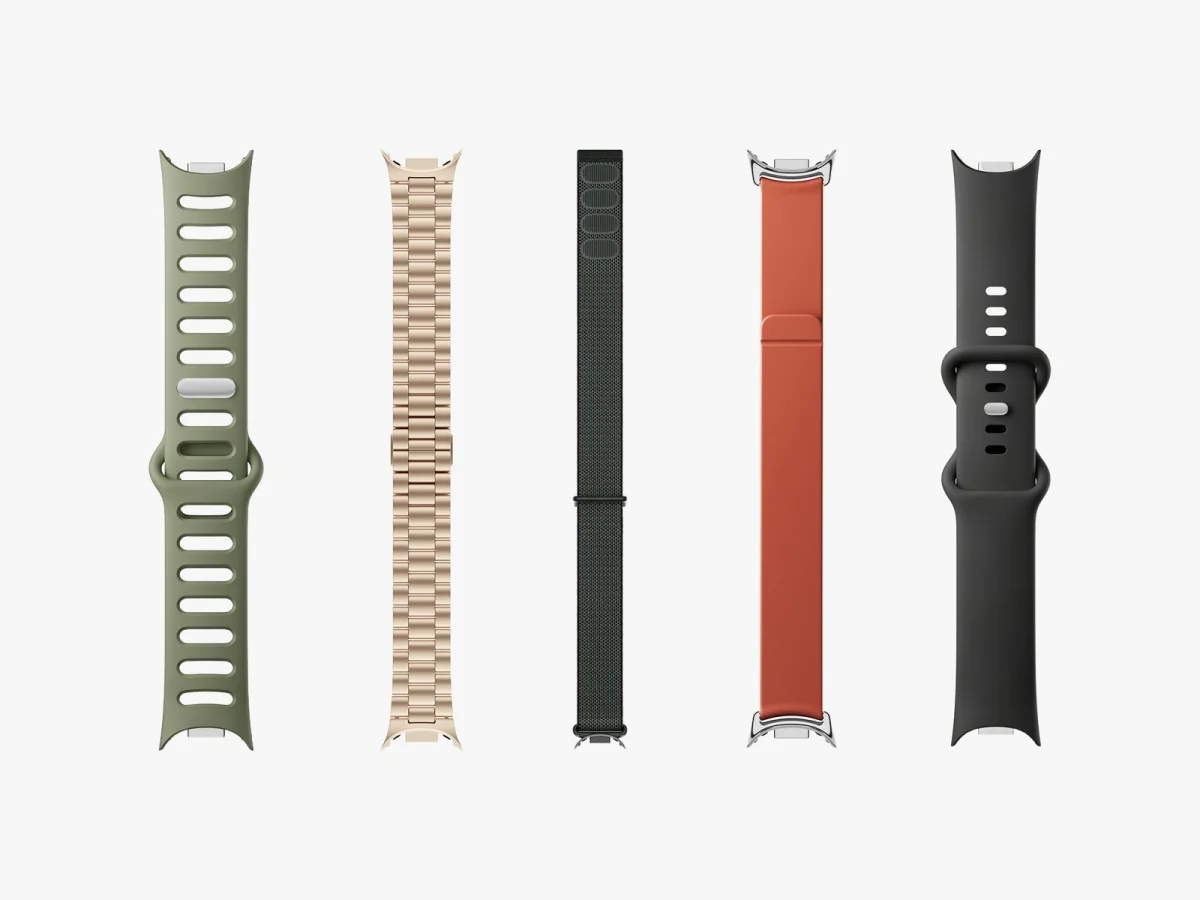
Fitbit Edge bands (left to right): Olive Active Sport, Champagne Gold Metal Links, Obsidian Performance Loop, Mahogany Magnet, and Obsidian Active.
Courtesy of GoogleFor Charge 6 owners, the Edge brings meaningful improvements in workout tracking, health measurements, and screen visibility. For people choosing their first Fitbit, the $100 Air still offers the stronger value if they’re comfortable going without a display. The Edge makes the most sense for those who want glanceable workout guidance and richer tracking on their wrist—and can live without tap-to-pay.