Under-Sink Reverse Osmosis: Water Quality, Costs and Tradeoffs
An under-sink RO system can improve taste and reduce some contaminants, but water reports, filter costs and installation needs should guide the decision.
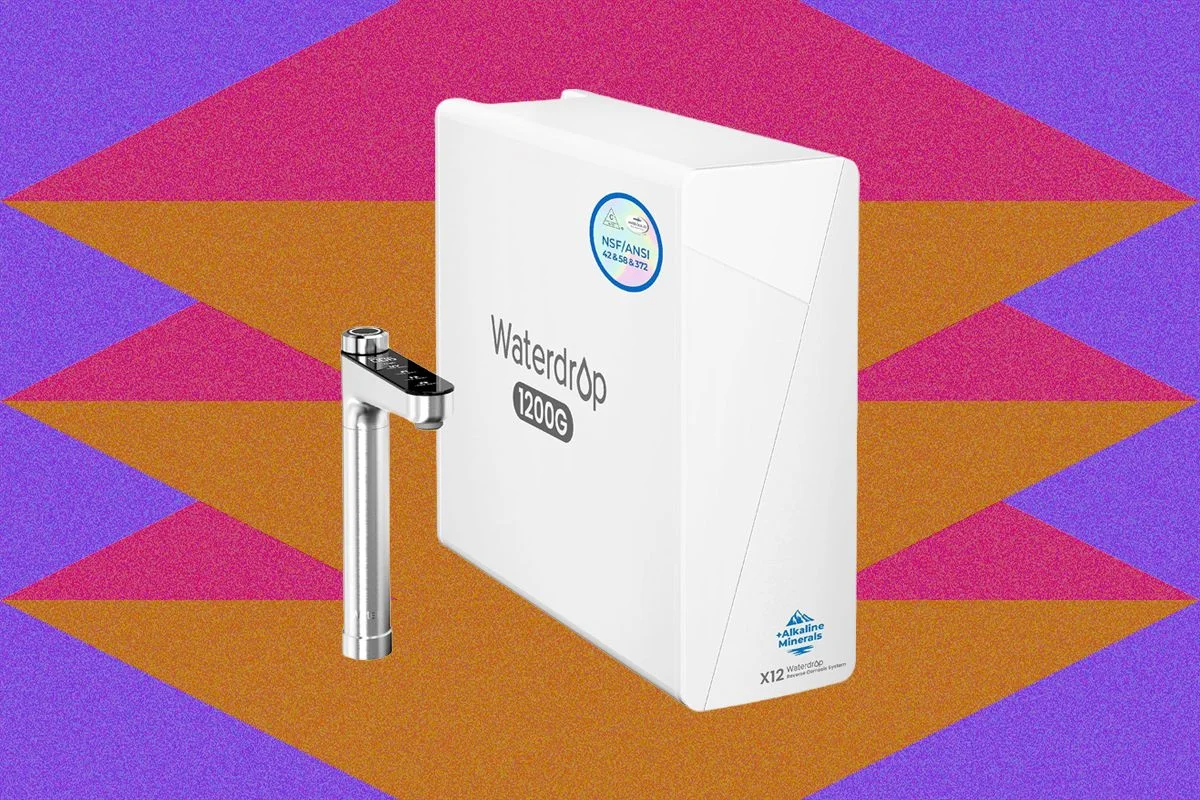
An under-sink reverse osmosis system makes the most sense when a household has a specific water concern or wants a noticeable improvement in taste without refilling a countertop filter. It can reduce a broad range of dissolved substances, but it costs more to buy and maintain than a basic carbon filter, sends some water down the drain, and removes minerals along with contaminants. The first step is to check your local water quality report; the next is to decide whether purification or better-tasting water is worth the ongoing expense.
What reverse osmosis removes
Reverse osmosis, or RO, uses pressure to push water through a semipermeable membrane. The membrane lets water molecules pass while holding back many dissolved compounds. Ordinary osmosis moves water through a membrane toward a higher concentration of dissolved material; RO applies pressure to drive water the other way. The same basic process is used to remove salt from seawater.
That membrane works at a finer scale than the physical barriers in conventional filters. The source describes RO membranes as typically filtering down to 0.0001 microns, compared with about 0.1 microns for activated carbon filters. Carbon still has a useful role: it can improve taste and smell and adsorb some volatile organic compounds. Many RO units include carbon stages alongside the membrane, so the approaches can complement each other.
RO doesn't remove every possible substance, and the right filter depends on what is actually in the water. But it can reduce contaminants such as lead, arsenic, nitrate and PFAS. For context, water treatment specialist John Voll says that 98 of the 200 largest US cities have at least one PFAS compound detected in their supply. He also cautions that the problem varies by location: “US tap water is safe for most people most of the time,” he says. “The problems are local, not universal.”
That makes a recent report for your water supplier more useful than a general claim about water quality. The source recommends checking measurements for lead, nitrate or arsenic, and PFAS. Community water systems publish annual quality reports, due by July 1. These reports can be dense, but they give households a more grounded basis for deciding whether an RO system addresses a real concern. As Voll puts it: “Most people don't need RO, but some households clearly do, and the way to tell is to read your own water report first.”
Under-sink versus countertop systems
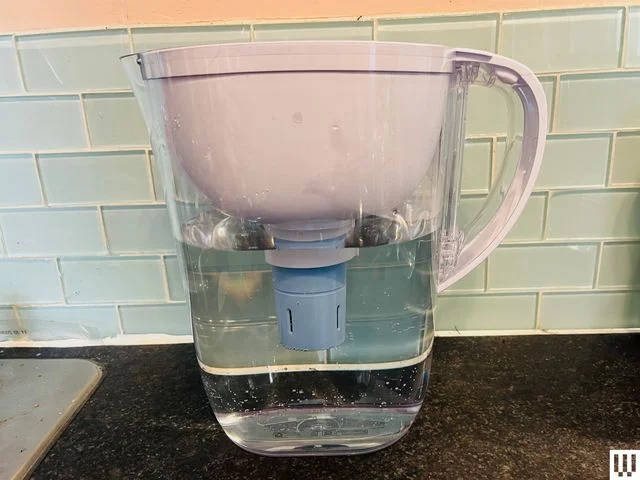
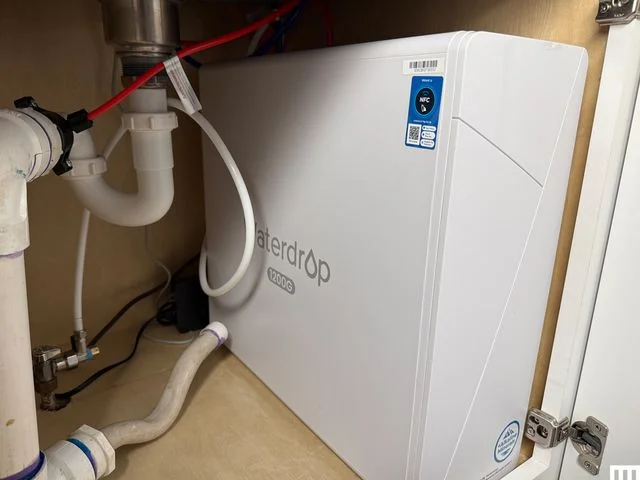
Countertop RO units and water filter pitchers take up space and need manual refilling. An under-sink model connects to the plumbing and supplies filtered water through a separate faucet, so there's no pitcher to keep topping up. The tradeoff is added cost and a more involved installation.
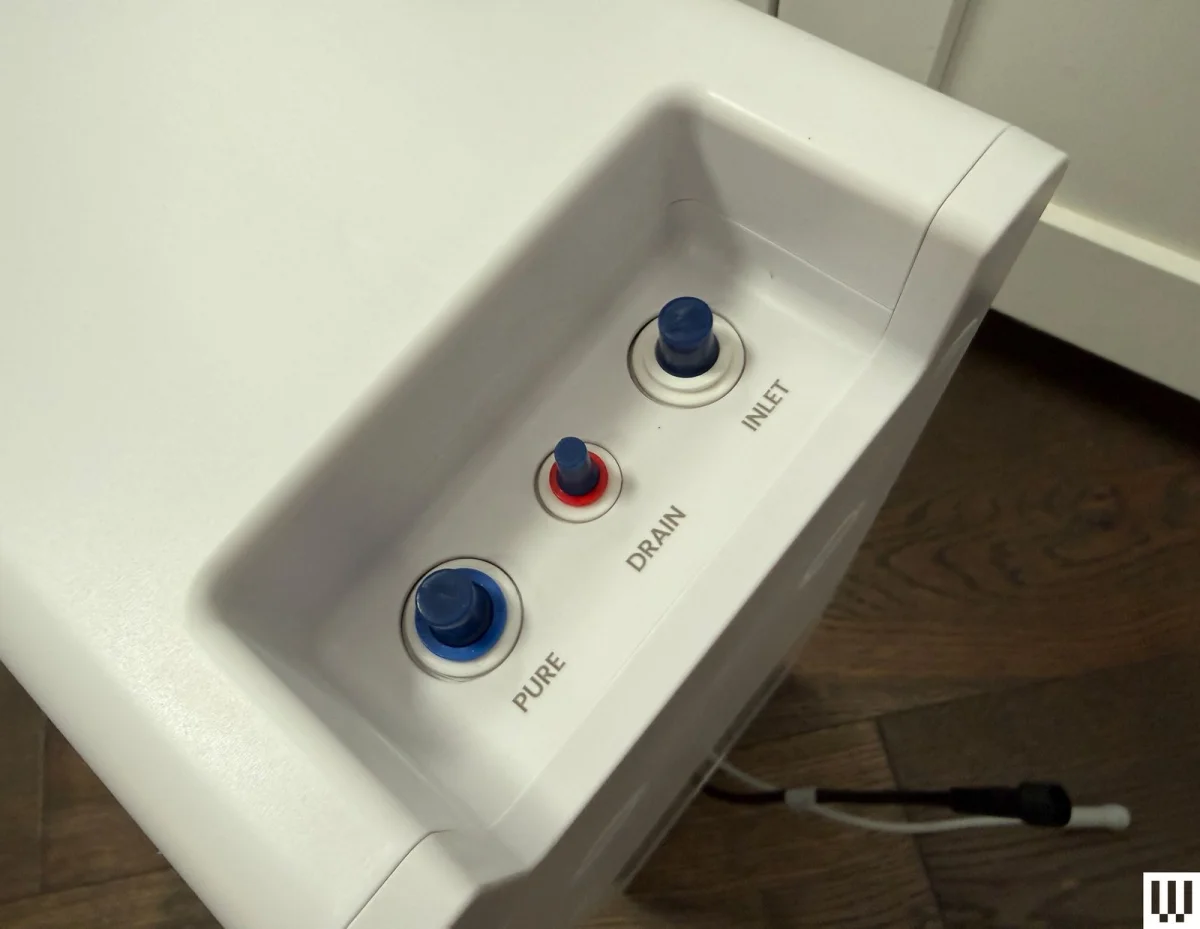
Under-sink systems come in two main forms. Tank models filter water more slowly and store it in a reservoir beneath the sink; they can operate without electricity. Tankless systems filter water on demand and use electricity to maintain flow. Their added complexity generally makes them more expensive. The featured examples include the Waterdrop X12 and the Waterdrop X16.
The costs go beyond the purchase
RO produces wastewater as part of the filtration process. Older systems could use as much as four gallons of tap water to make one gallon of purified water. Newer designs can reach a 3:1 pure-to-drain ratio: three gallons of purified water for each gallon sent to the drain. That's a substantial improvement, though water efficiency still varies by system.
Replacement cartridges add another recurring cost. Some systems use as many as six cartridges, usually replaced every year or two depending on use. The general estimate in the source is $50 to $200 per year, with the advice to check replacement prices before buying. For the tested X12, three filters are needed; individual cartridges are listed at $30 to $160 each. Those expenses can make a low purchase price less attractive over time.
The membrane also removes calcium, magnesium and potassium, as well as fluoride. Some buyers may prefer to retain those minerals. Certain systems add a remineralization stage or adjust the water's pH, but those extra cartridges add to the maintenance bill. RO is therefore a broad treatment choice, not a way to target only one unwanted taste or substance.
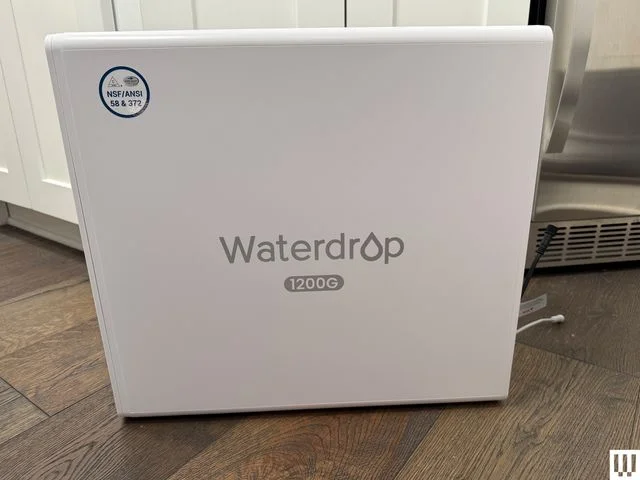
Installation has practical costs, too. The systems connect to the incoming water line, the drain and a dedicated faucet. If the counter doesn't already have an opening for that faucet, installation may require drilling one. The reviewer chose a plumber when replacing an older unit, even though the tubing connections looked manageable, citing the risk of leaks. The X12 installation took less than an hour.
What the X12 test suggests
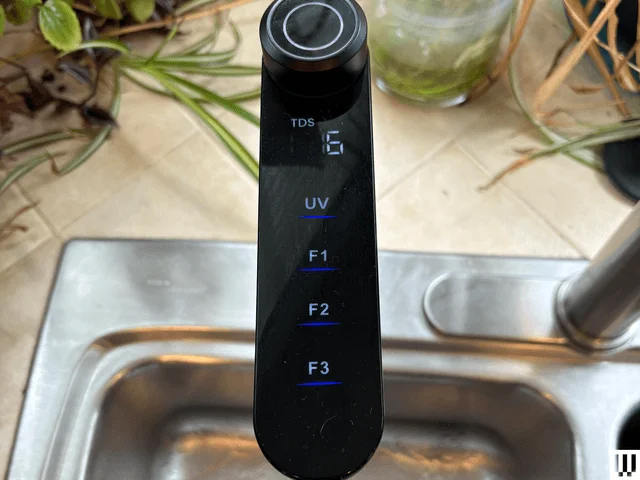
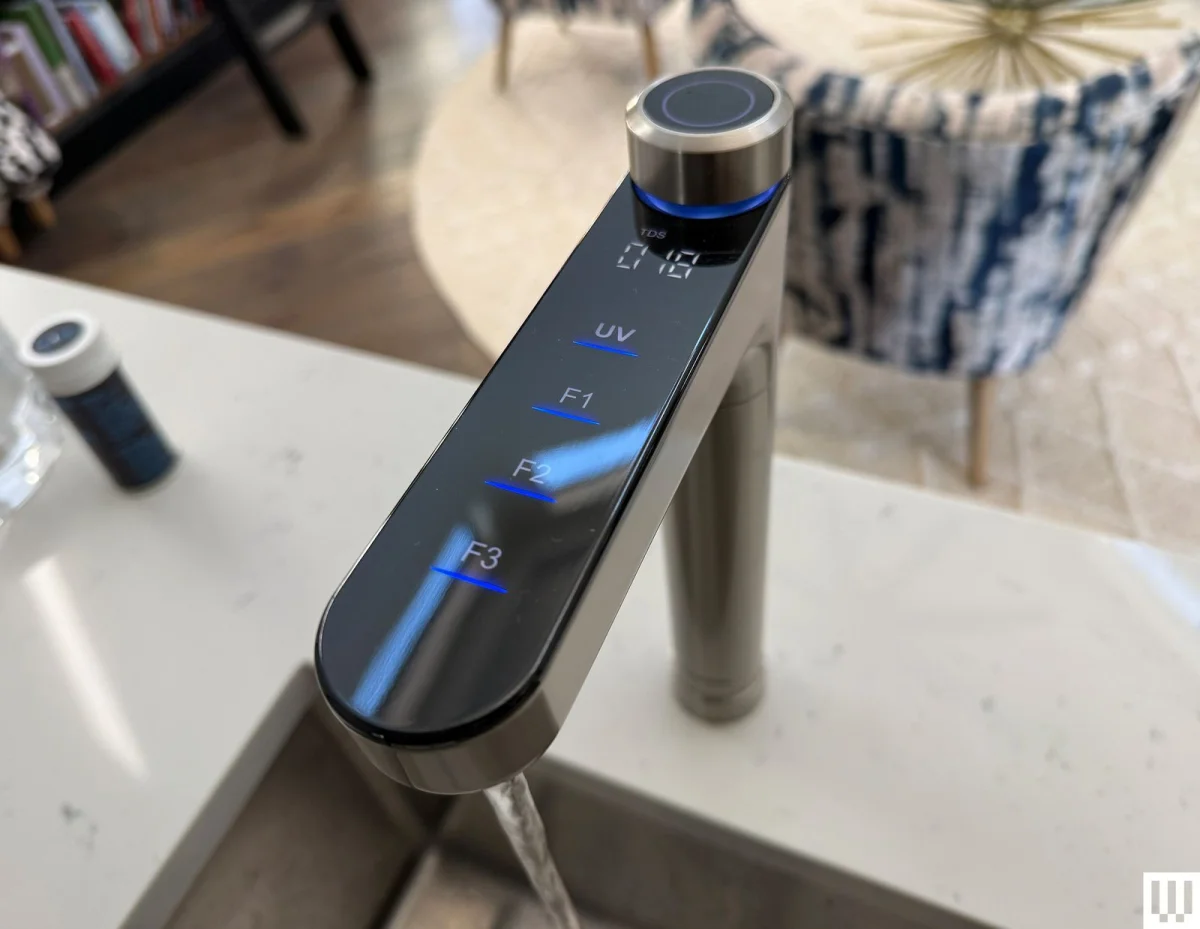
The X12 requires electricity and begins with a 35-minute priming cycle that flushes the filters before first use. That process sends extra water through the system, so the reviewer suggests collecting it if there's a practical way to use it. After priming, an LED-equipped faucet button starts or stops the flow. Turning the button selects a dispense amount, up to 999 ounces, and a display shows total dissolved solids before counting down the requested volume.
In the reviewer's kitchen, the X12 dispensed water faster than the kitchen faucet and much faster than the older RO unit it replaced. It has an energy-saving mode that reduces noise and a flow mode intended for higher use. The reviewer found the unit quiet in all three modes, including from a nearby bedroom. These are observations from one installation, so households should weigh them alongside their own needs and the model's specifications.
The system also remineralizes its water and adjusts the pH. The reviewer measured a pH of about 7.5 with a test strip and described the taste as pleasant, without harsh or chemical notes. The water wasn't chilled, so cold drinks still needed ice. The measured taste improvement mattered more to the reviewer than removing contaminants that weren't a concern in their local supply: chloramine treatment and very hard, limestone-rich water made tap water taste unpleasant.
The larger X16 shares the X12's features and cartridges, and is presented as an option for bigger households. The source reports that one editor whose municipal supply contains PFAS had used an X16 for a year and a half without maintenance or reliability problems. That's a single user's experience rather than a comparison across systems.
When the expense may make sense
An under-sink RO system is easiest to justify when a water report identifies substances the system can reduce, or when tap water's taste is bad enough to affect daily use. For households without either reason, a less expensive carbon filter may be enough to improve taste and smell. For others, the convenience of a dedicated faucet and the broader filtration can be worth the purchase, plumbing work and cartridge replacements.
Start with the report, then compare each system's contaminant claims, water-use ratio, electricity needs and replacement-filter prices. If taste is the main motivation, factor in how the unit changes mineral content and whether it offers remineralization. The useful question isn't whether RO is universally worth installing; it's whether its specific benefits match the water in your home.