Instagram Tests Long-Form Video and TV Features to Keep Viewers Watching
Instagram is testing videos up to 90 minutes, episodic Reels and TV tools that connect short clips with longer viewing.

Instagram wants a viral clip to lead somewhere: a full episode watched in the same app, perhaps later on a television. The company is testing longer uploads, episodic viewing tools and TV features that could make its video experience feel more like a streaming service. The strategy builds on a format Instagram already distributes widely—short clips—while trying to keep the audience for the longer videos they promote.
For viewers, the appeal is easy to recognize. A clip from Happy Wife Happy Life, the podcast hosted by Jordan Myrick and Kendahl Landreth, drew about 5 million viewers on Reels. One viewer who encountered Myrick’s rant about the health care system then spent an hour watching more snippets, but didn’t go elsewhere to find the full episodes. Instagram’s tests are designed to close that gap between discovering a show and watching it at length.
From clips to full episodes
Instagram is expanding tests in the US that let creators upload videos up to 90 minutes long and switch their orientation to horizontal. Creators can also link short clips directly to full-length videos. Together, those changes could let a podcast clip act as an entry point to an entire episode, rather than as a self-contained post that sends interested viewers to another service.
That matters because short clips have become a common way for creators to attract attention to longer work. Podcast excerpts, often showing two people talking across microphones, circulate widely on social platforms. They can make a show’s tone and premise clear in seconds. But the path from a compelling excerpt to a full episode often requires a viewer to find and open a separate app. Instagram is trying to make that next step part of the same viewing experience.
“Our belief here is that entertainment and creativity are not limited to a three-minute video,” Tessa Lyons, Instagram’s vice president of product, told WIRED. Lyons described the goal as building the “best place for social entertainment.” The plan places longer viewing alongside the short-form content that already draws people to Reels, instead of treating those formats as separate destinations.
Reels that continue as a series
Instagram is also expanding creator tools for organizing Reels into episodes. Its “Series” feature is already available to some creators in the app, and the company is testing it for TV viewing. The idea is to use viewing behavior to recommend the next installment: as Lyons put it, if someone likes episode three, Instagram should be ready to show them episode four when it becomes available.
Episode recommendations could give creators a clearer route from a single popular clip to repeat viewing. They also give Instagram a reason to present Reels as more than an endless stream of unrelated posts. The practical test will be whether viewers return for the next episode and whether creators can use the format without changing how they make their shows.
Designing around the television
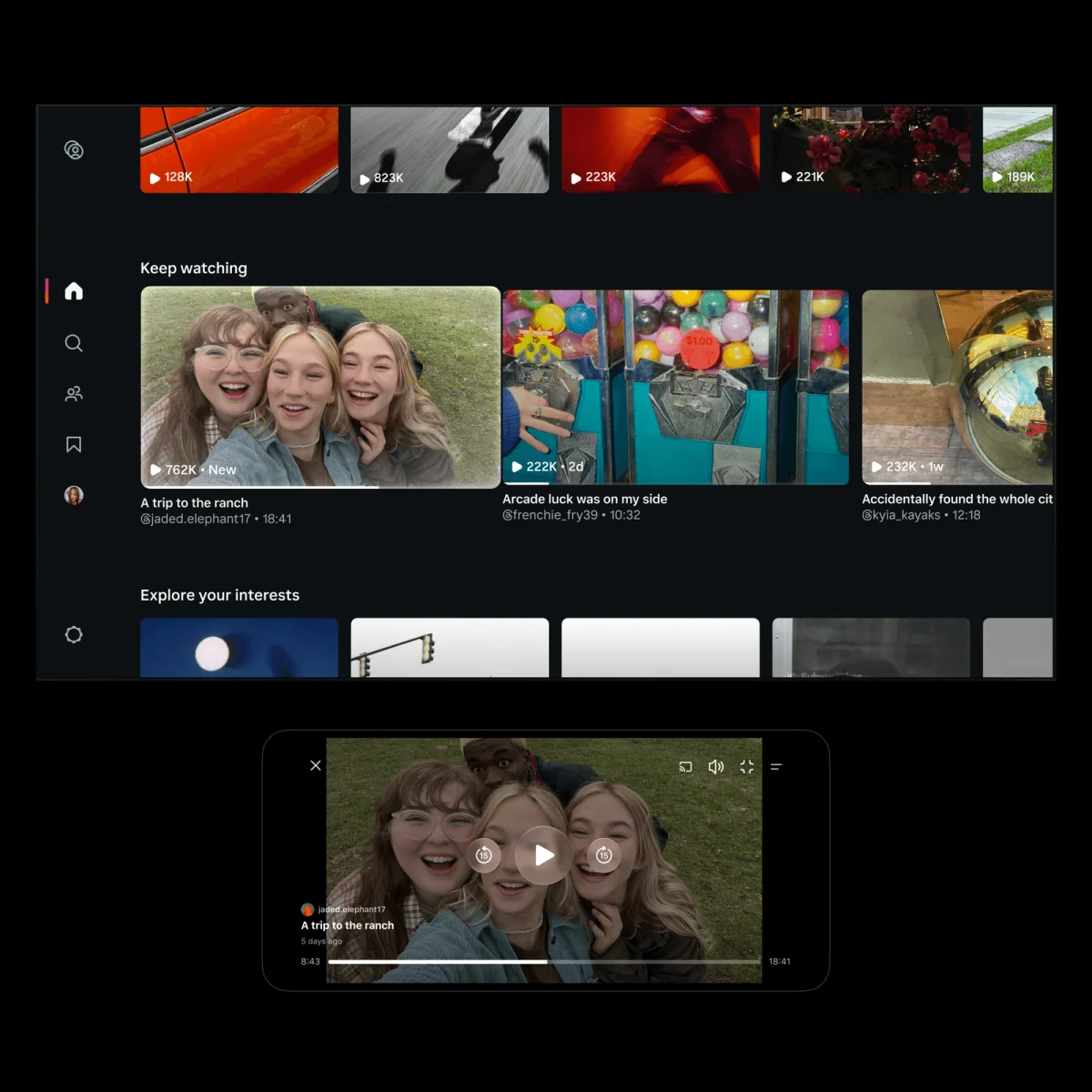
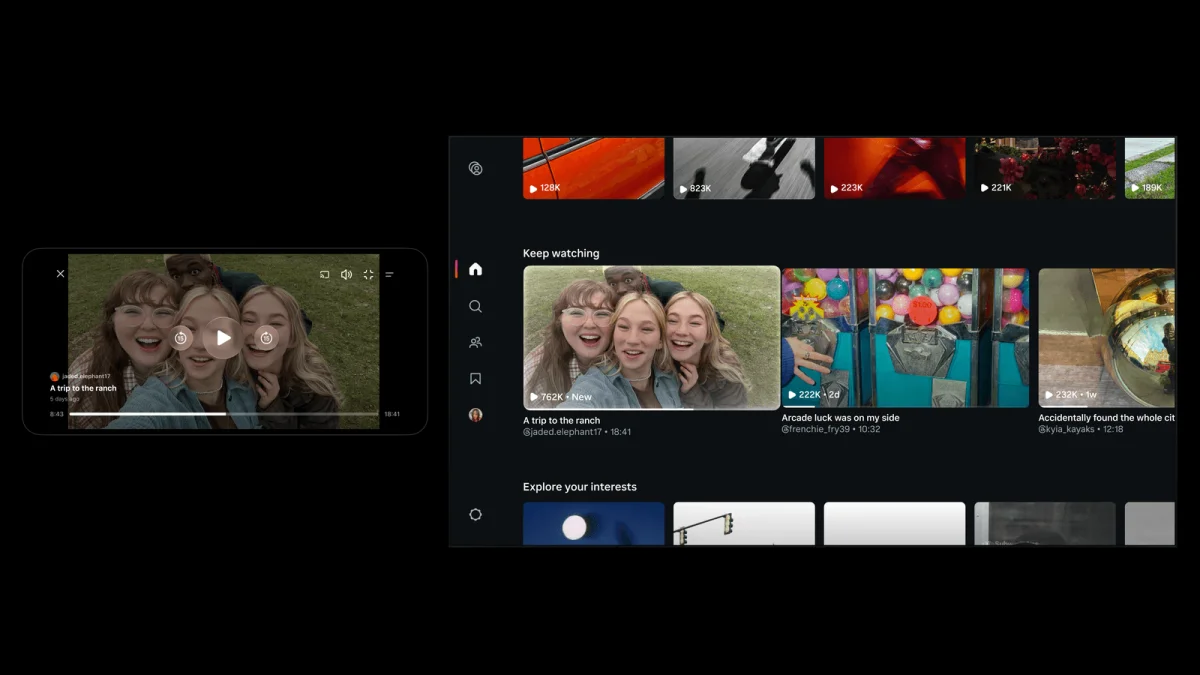
TV viewing is central to the update. Instagram is exploring ways to make watching on a television feel social, including a Friends tab that shows what a viewer’s connections have been watching. The company also plans to turn a smartphone into a TV remote. These features point to a product that would combine personal recommendations and social discovery with longer sessions on a larger screen.
Instagram’s earlier attempt at long-form video offers a clear design lesson. IGTV, launched in 2018, supported only vertical video. Many viewers wanted to turn their screens for a horizontal picture, and the product failed to connect with users. Meta discontinued the app a few years after its launch. Instagram’s current approach allows creators to use horizontal video and treats TV as a natural place to watch longer material.
Lyons described the design challenge as bringing two established formats together: short videos are often vertical, while longer videos are often horizontal. Her view is that mobile can serve as a discovery point and TV as a destination for extended viewing. That division gives each screen a distinct role, though Instagram still has to make the transition between them feel simple to viewers.
A direct challenge to YouTube’s TV presence
The changes put Instagram closer to territory where YouTube has a strong TV presence. Instagram’s advantage is its existing stream of short clips, which can introduce viewers to creators and shows. Its bet is that recommendations, links and episodic tools can turn that discovery into longer viewing without requiring people to leave the app.
For creators, the opportunity is a more direct connection between promotional excerpts and full episodes. For viewers, the promise is a single place to encounter a clip on a phone and continue with the full program on a TV. Whether that works will depend on how well Instagram’s recommendations surface the right next episode, how creators organize longer uploads and whether viewers actually choose the television experience.
Instagram is testing a change in how video discovery and viewing fit together. The key measure will be whether a short Reel can reliably bring an interested viewer back for a full episode—and whether that viewer wants to keep watching on Instagram.
Related reading: Instagram Reels, podcasts, Instagram, social media, TVs, IGTV, YouTube’s TV presence and USB microphones.
===