Sony Japan Discontinues Its Last Standalone 4K Blu-ray Player
Sony Japan has ended sales of its last standalone Blu-ray player, adding to pressure on a physical media market already shrinking.
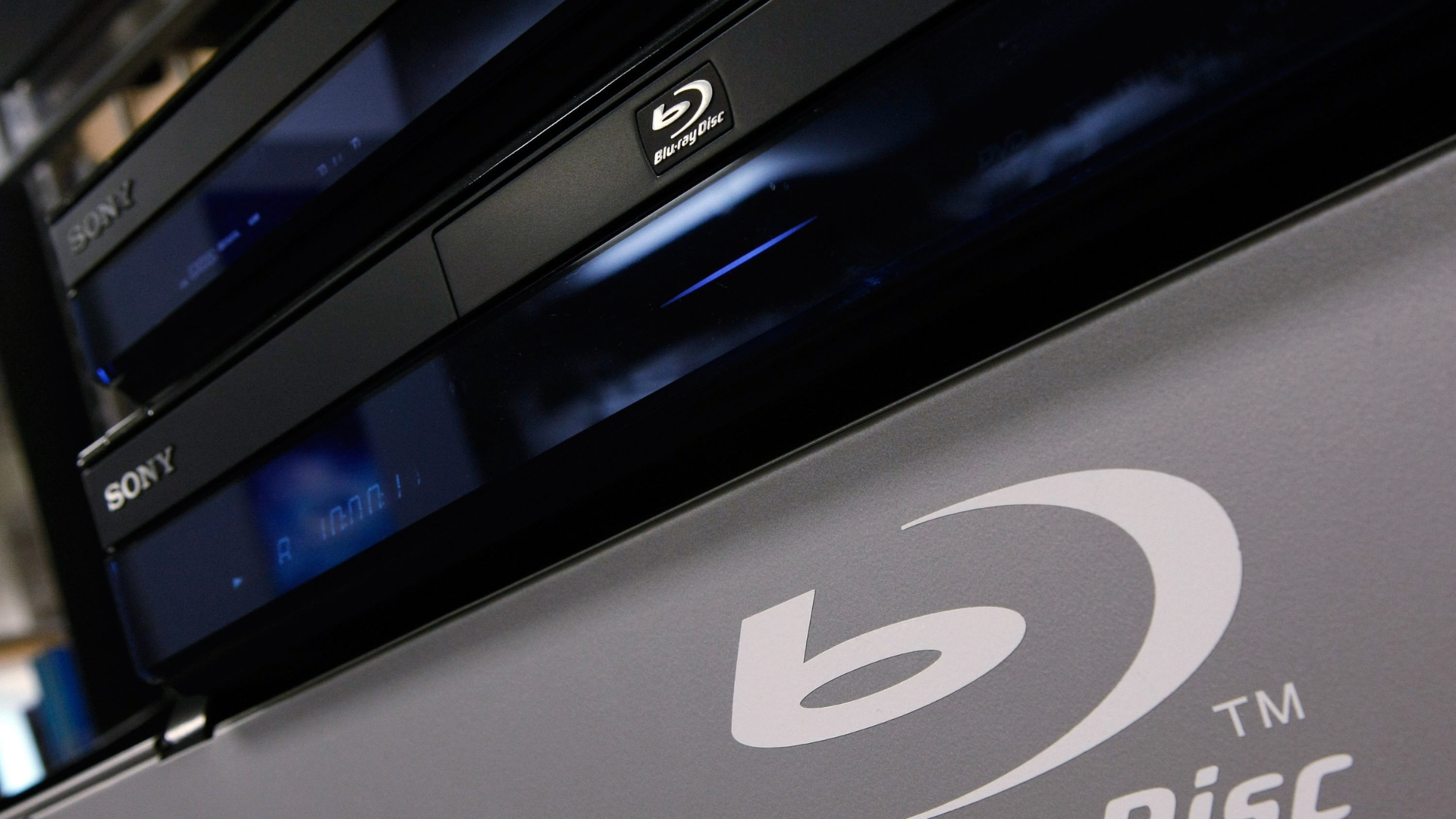
Sony Japan’s decision to mark its last standalone Blu-ray player as discontinued closes a significant route for buying new players from one of the format’s major supporters. The UBP-X700/K is no longer available new from the company in Japan. Sony had stopped shipping players in February, so the final change appears to mark the end of sales from remaining stock rather than a sudden production halt.
That distinction matters. A product can remain on sale after shipments stop, as retailers sell through inventory. Sony’s earlier shipping pause pointed toward a wind down; the discontinued status now confirms that customers in Japan can no longer buy a new standalone Blu-ray player directly from Sony. The source does not say whether the UBP-X700/K remains available through other sellers or when any remaining stock will run out.
A shrinking field of hardware makers
Sony is a prominent name in the format’s history, but it isn’t the only company changing course. LG ended Blu-ray player production in 2024. This year, Japanese companies Elecom and Buffalo also ended production of PC Blu-ray drives. Buffalo Americas says optical drives are expected to remain available in the United States for the near future, showing that a company’s exit in one market or product category doesn’t necessarily mean an immediate end to sales everywhere.
Panasonic remains an option for people looking for a standalone Blu-ray player, according to the source. Even so, Sony’s exit leaves fewer major manufacturers supporting the category. A smaller supplier base can make it harder for customers to find a range of players, and it raises questions about the long-term availability of hardware and replacement components. The article provides no market share or sales figures for Blu-ray players, so the scale of the decline can’t be quantified from the available information.
The broader hardware pattern extends beyond video. Some Hi-Fi manufacturers have stopped making selected players because suppliers have ceased producing components used to read SACDs. When a component maker leaves, manufacturers that depend on its parts may have to redesign products around other components. That can take substantial engineering work, and it may make a niche device less practical to keep producing. The same supply-chain pressure could affect other optical formats as their component base contracts.
What remains in Sony’s lineup
Sony’s PlayStation 5 is the company’s only remaining device that can play Blu-ray discs. But the future of disc playback in its consoles is also uncertain. Sony has announced that physical game disc production will end by January 2028, prompting concern that a future PlayStation 6 might not include an optical drive. That outcome has not been confirmed: the source describes it as a concern, not a settled product detail.
The difference between a console disc drive and a standalone movie player also matters. A PlayStation can read Blu-ray discs, but the source does not establish that it serves as a replacement for every feature or use case supported by a dedicated player. For consumers who want a device built around movie playback, Sony’s discontinuation narrows the available choices even while disc reading remains possible on its console.
Streaming changes the trade-off
Ultra HD Blu-ray faces a different transition from VHS and DVD. Those formats gave way to newer physical media with improved picture quality; Blu-ray is increasingly competing with streaming, where convenience is a central draw. Streaming avoids the need to store and load discs, while physical media gives owners a copy they can keep and play without depending on continued access to an online service.
That distinction has become more visible as consumers debate whether digital access amounts to ownership. The source points to rising sales of CDs and vinyl as part of a wider return of interest in physical media: sales of CDs increased 59%, while vinyl sales rose 18% in the first half of 2026. Those figures cover music formats, not Blu-ray, so they don’t show that movie discs are recovering. They do suggest that convenience hasn’t erased demand for tangible media across every category.
For archivists, the concern is practical as well as cultural. A streamed title can depend on a service continuing to carry it, while a disc can remain accessible as long as the owner has functioning playback hardware. That makes the shrinking supply of players relevant even to people who already own large disc collections: ownership offers limited long-term access if the machines needed to read the media become difficult to replace.
The next signal to watch
Sony’s move doesn’t mean Blu-ray discs have disappeared, and Panasonic still offers another hardware path. But the format now faces pressure on both sides: streaming competes for viewers, while fewer companies make the equipment and components needed for optical playback. The clearest measure of how far the market has contracted will be whether other manufacturers continue to sell players and drives, and whether they can maintain support as parts become harder to source. For buyers and archivists, the practical question is no longer only which disc to keep; it’s how long reliable playback hardware will remain available.


