Cloudflare Closes Project Jengo’s Sable Case With $30,000 in Final Awards
After a jury rejected Sable’s final patent claim, Cloudflare awarded four researchers for prior art that supported its defense.
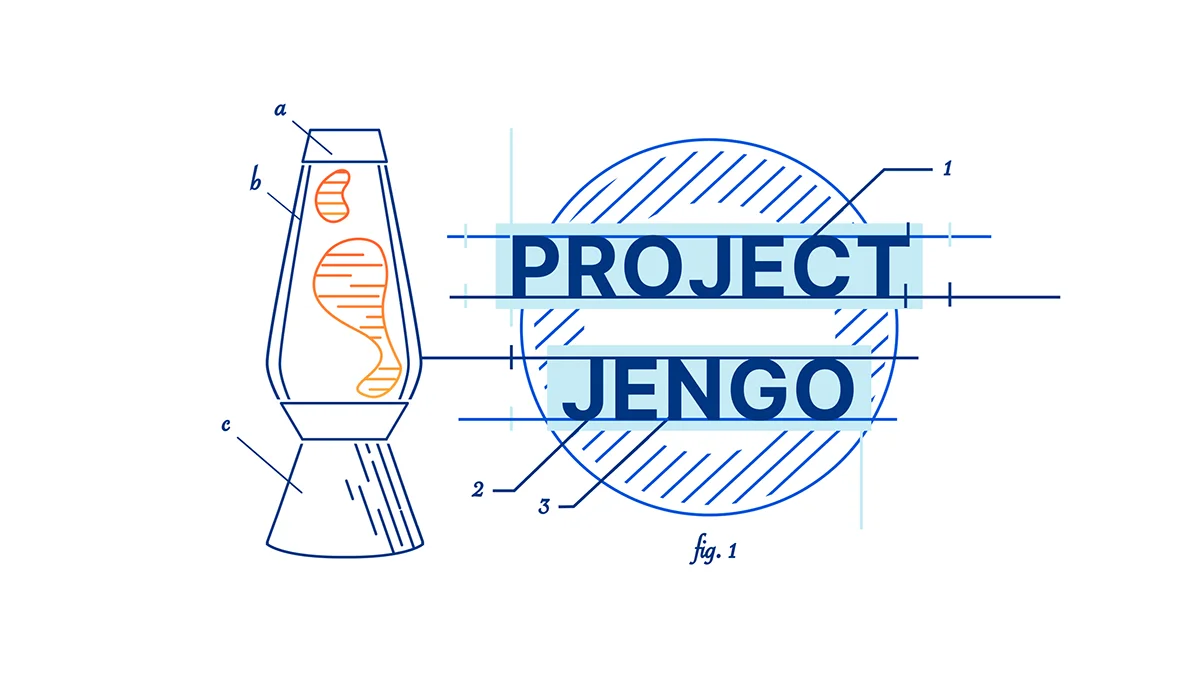
Cloudflare’s Sable case ended with a jury rejecting the last claim at trial, a $225,000 payment to Cloudflare, and a public dedication of Sable’s patent portfolio. Now the company has closed the related Project Jengo contest, awarding four contributors a further $30,000 for research that challenged Sable’s patents.
From a broad lawsuit to one claim at trial
Sable acquired patents in 2006 from a company that was winding down. In 2021, it sued Cloudflare and a group of other networking companies, including Cisco, Fortinet, Check Point, SonicWall and Juniper Networks. Cloudflare says Sable’s claims lacked merit and that the expense of defending a case can pressure companies to pay even when they believe they have a strong defense.
Cloudflare chose to litigate. Its defense eliminated nearly 100 claims across four patents, leaving one claim for trial: claim 25 of the ’919 patent. After two hours of deliberation, the jury found that Cloudflare hadn’t infringed the claim and that the claim was invalid.
Sable didn’t appeal. Under the resolution, it agreed to pay Cloudflare $225,000, grant Cloudflare a royalty-free license to its full patent portfolio and dedicate all of its patents to the public. The result capped more than three years of litigation and removed the patents from Sable’s future use.
The case’s outcome also determined when Project Jengo’s Sable contest would close. Cloudflare announced the conclusion under the contest rules, let the specified grace period pass and then named the final award recipients.
What Project Jengo asks contributors to find
Project Jengo is Cloudflare’s prior art bounty program. It invites contributors to identify material showing that an invention claimed in a patent was already in use or publicly described before the patent application was filed. Such evidence can help challenge a patent’s validity.
Cloudflare launched the program in 2017 after being sued by Blackbird, another patent assertion business. The initial call sought prior art related both to the patents asserted against Cloudflare and to any patents held by Blackbird. Cloudflare says it received hundreds of submissions, with more than half concerning patents that Blackbird hadn’t asserted in the case. The company says the program helped its defense and contributed to Blackbird’s defeat in court and eventual closure.
When Sable sued in 2021, Cloudflare restarted the program and set aside $100,000 for the search. It announced winners across eight submission periods. The final awards draw on submissions made over the course of the case and total $30,000 among four contributors.
Four contributors receive final awards
Jean-Pierre Le Rouzic, a retired telecommunications research and development engineer in Rennes, France, received an additional $10,000. A Cloudflare user who found the program through Hacker News, he brought experience from writing 12 patents in online authentication and identity management. He said the case resonated with him because he saw intellectual property profiteering displace research and development in the pharmaceutical industry.
Le Rouzic developed two conceptual trees, one tracing possible prior art from Sable’s patents and another starting from the claims Sable had asserted. His 24-page submission included a detailed claim chart challenging the ’431 patent, titled “Micro-Flow Management,” which concerns internet switching technology for network service providers. Cloudflare had already named him a winner in the contest’s second chapter; this final award recognizes his contribution again.
George J., an electrical engineer and patent attorney, also received an additional $10,000. He learned about Project Jengo through the legal publication Law360 and submitted three prior art references for the ’431 patent. One also related to the ’919 patent, the patent that remained in dispute at trial. His submissions included 39 pages of charts comparing the references with Sable’s patents.
Peter S. and Jatin each received an additional $5,000. Peter had no technical or patent background when he found the project on Cloudflare’s website. His research identified work that addressed the same kind of network flow detection described in Sable’s ’593 patent, years before the patent’s claimed solutions. The earlier thesis examined identifying nonadaptive network flows and sending information about them, along with responsibility for penalties, toward their sources.
Jatin, a computer science analyst who found the program through Cloudflare’s blog, submitted two prior art references. Cloudflare described them as particularly relevant to the ’919 patent, the claim set that reached trial. Together, the four awards recognize contributions spanning three Sable patents and a range of professional backgrounds.
A separate case ends before it develops
Cloudflare also points to the outcome of a separate case brought by Touchpoint Projections Innovations. Touchpoint sued the company in May 2024. Several months later, after Cloudflare had published its account of Sable’s resolution, Touchpoint voluntarily dismissed its case with prejudice. That wording makes the dismissal final and prevents the case from being restarted.
The dismissal came two weeks after Cloudflare’s Sable post. Cloudflare suggests the earlier outcome may have influenced Touchpoint’s decision, while acknowledging that the timing could have been coincidental. The company also cites PacSec3, which accused Cloudflare of patent infringement in 2022 and later dismissed its case after Cloudflare said it would defend itself.
For developers and companies weighing a response to patent claims, the Sable result illustrates two parts of Cloudflare’s approach: contesting claims through litigation and soliciting outside research that may challenge patent validity. Project Jengo’s awards show how that search can draw on both specialist experience and contributors without a patent background. Whether the program changes other claimants’ decisions is harder to establish; Cloudflare’s account offers examples, but not proof that its actions caused the later dismissals.


